Sudan has called on all displaced citizens living abroad to return home, as the government steps up efforts to facilitate voluntary repatriation and remove barriers facing returnees.
Prime Minister Kamil Idris said his office is committed to easing the return process and ensuring citizens can actively contribute to rebuilding the country, state media SUNA reports.
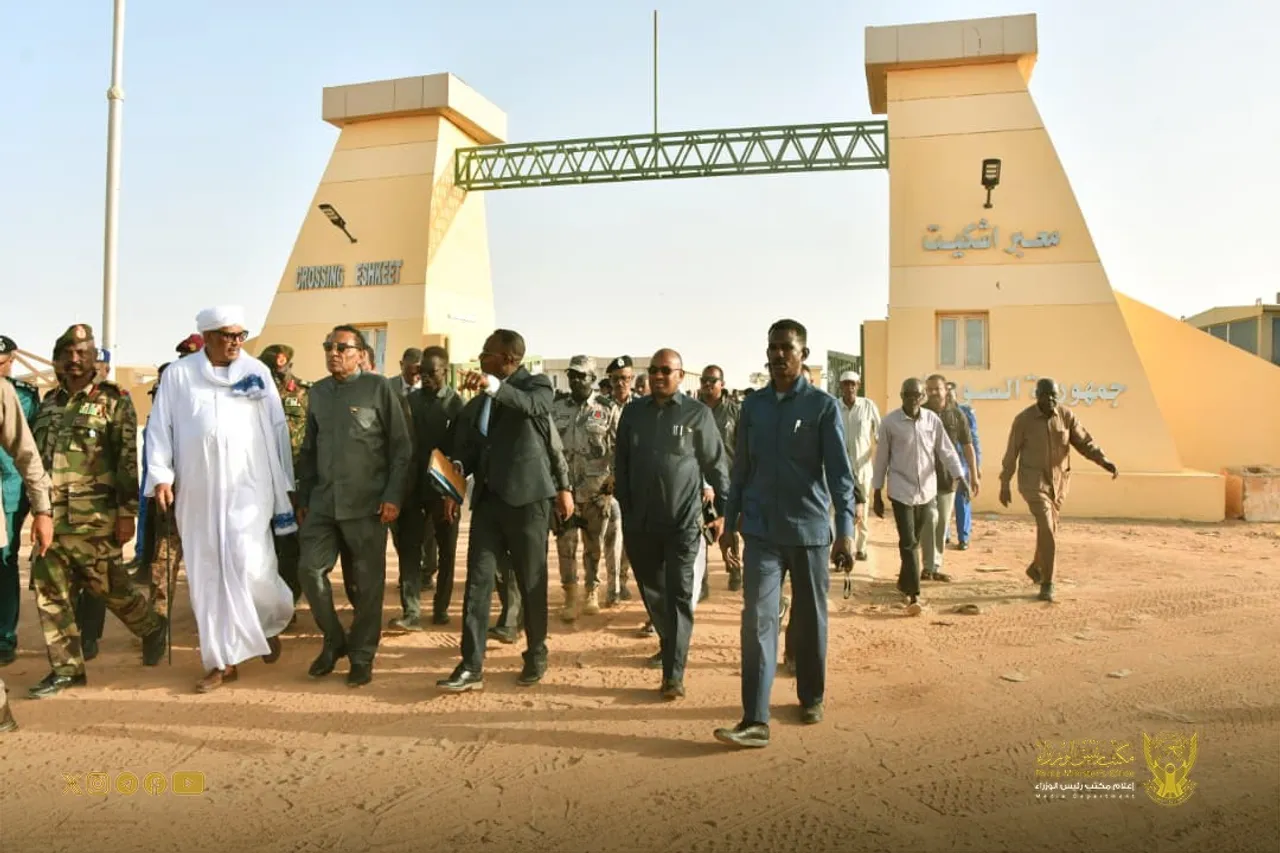
Speaking during a visit to the Ashkeit border crossing in Wadi Halfa on Tuesday, Idris said authorities have taken steps to eliminate illegal levies and ensure that returning citizens are not subjected to additional fees, compulsory charges or arbitrary customs duties. He noted that such practices had previously placed an unnecessary burden on citizens without benefiting the state.
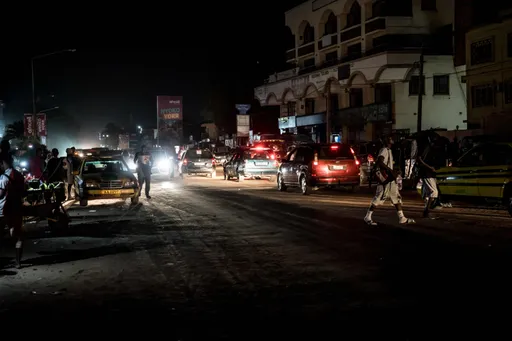
The Prime Minister said the government is working to improve conditions at key entry points, directing the Ministry of Finance to resolve electricity challenges at the crossing and pledging to provide inspection equipment. He also ordered a comprehensive solution to water supply issues and called for stronger coordination between health authorities and border officials to address outstanding needs.
International support
Sudan also expressed appreciation to Egypt for hosting millions of Sudanese nationals and supporting the voluntary return process.


Local authorities said returning citizens will receive support to ensure their safe onward travel. The Northern State government indicated it is ready to assist returnees as they make their way back to their communities.
Idris said the Ashkeit crossing is fully prepared to handle the return process efficiently, adding that procedures at customs and passport control are running smoothly. He also met with citizens at the crossing, listening to their concerns and directing officials to address them.
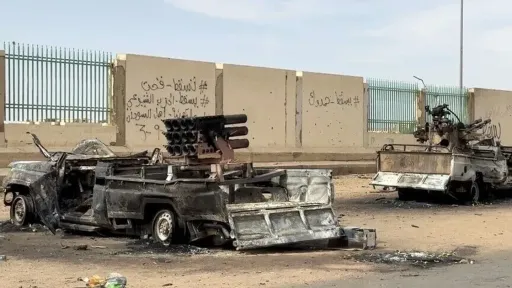
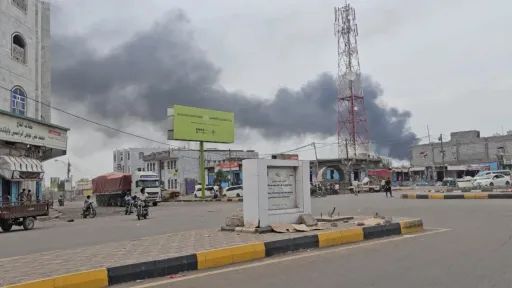
The war between the Sudanese army and the RSF erupted in mid-April 2023, unleashing a wave of violence that has led to one of the world’s fastest-growing man-made humanitarian crises, with more than 12 million forced from their homes, and more than 33 million people in need of humanitarian aid.
More than 40,000 people have been killed over the past three years, according to UN figures. Aid groups say that the true death toll could be many times higher.