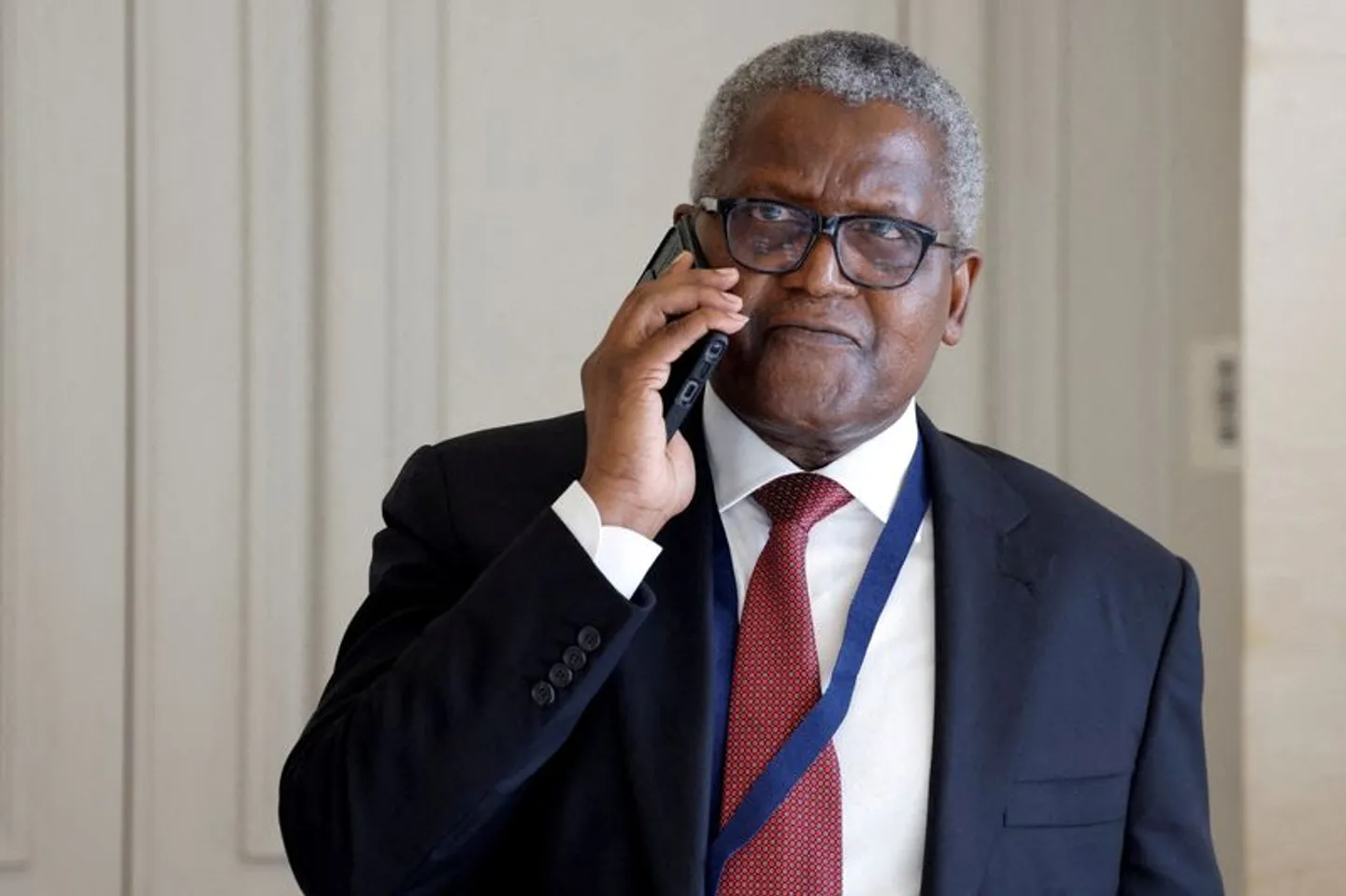
Africa's richest man, Aliko Dangote, is facing a fresh challenge as he plans to launch his East Africa refinery project.
The groundbreaking ceremony is scheduled for Wednesday, 30 September. A court has ordered the project to stop.
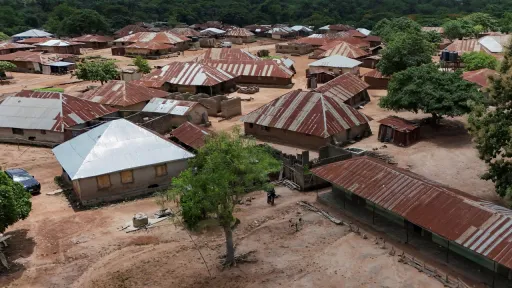
This comes after some residents of Chandavai, an area in Lamu County where the oil refinery is due to be sited, moved to court to challenge the proposed project.
Kenyan news outlet Citizen Digital reported that the 133 plaintiffs have sued the office of Kenyan President William Ruto, relevant government agencies and Dangote Industries.
‘Not halt launch’
However, Dangote Group said the court ruling on a land rights claim would not halt the launch of the planned 700,000-barrel-per-day oil refinery in Lamu.
Reuters news agency reported that the Malindi Environment and Land Court order said that the "status quo prevailing" on the land should be maintained until a hearing on 14 October.
The court order was dated 25 September but only made public on Monday, 28 September.
Dangote Group, the business conglomerate owned by Africa's richest man Aliko Dangote, said in a statement the court ‘’has not halted the groundbreaking ceremony of the refinery at this stage.’’



However, it acknowledged that activities at the site may be affected by the ruling as both parties are required not to carry out activities until the case is heard.
Replicating Dangote
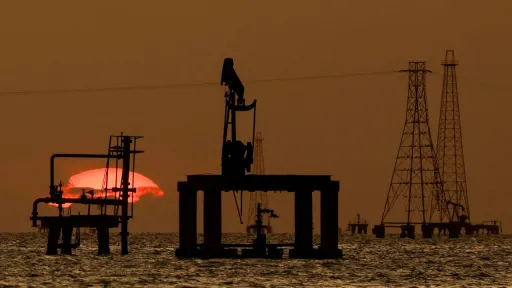
The Lamu refinery on Kenya's coast aims to replicate the success of Dangote's 700,000-barrel-per-day plant near Nigeria's commercial capital, Lagos.
But unlike Nigeria, sub-Saharan Africa's biggest oil producer, Kenya currently has no commercial oil output.
However, Kenyan President William Ruto had said the refinery would source crude oil from across East African countries, including Uganda, South Sudan and Kenya itself.
Dangote has said he expects the Lamu refinery to cost $15 billion to $16 billion and hopes to complete it by 2030.
The main goal is to ease fuel supply for East Africa, which currently imports all its petroleum products despite having crude reserves.
It is also part of Dangote's plan to help ensure Africa's energy ‘’self-reliance’’.