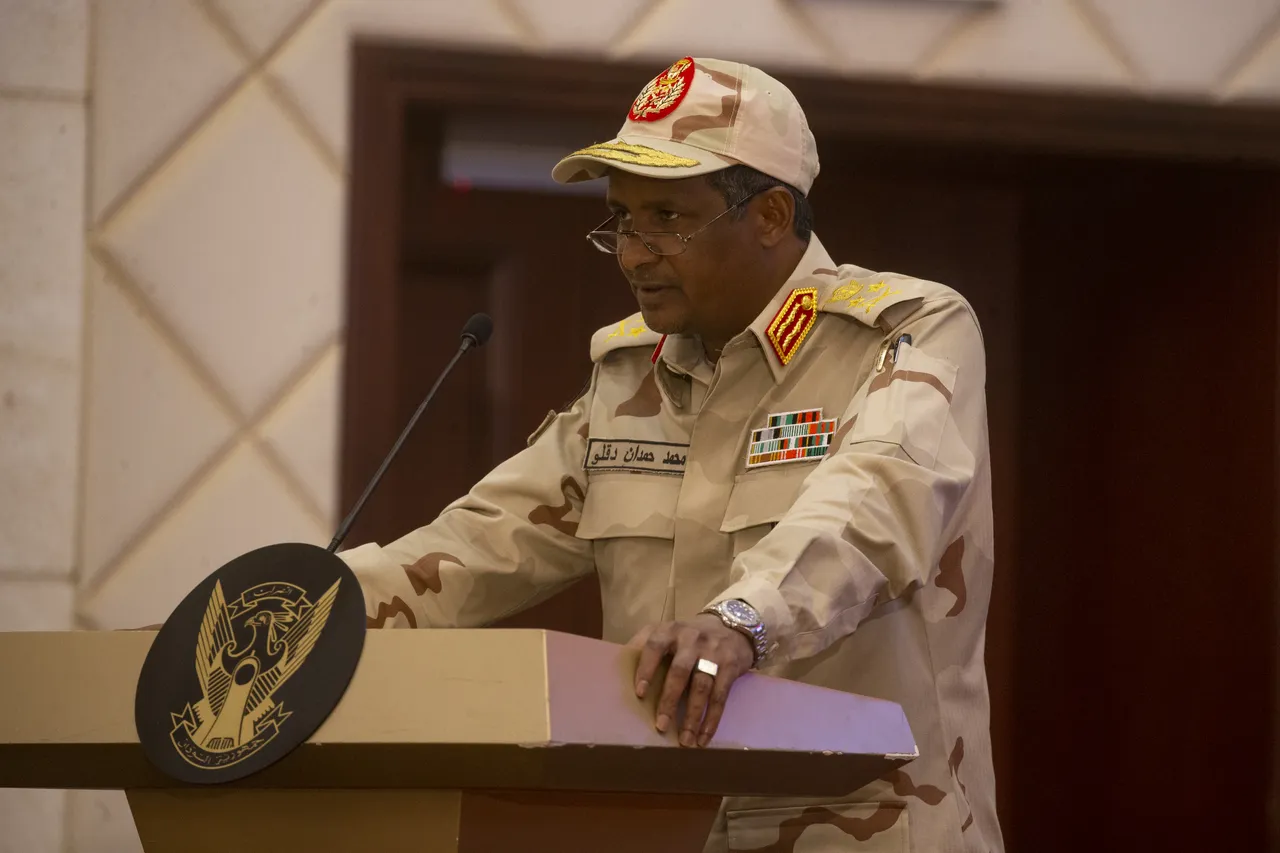
The UN's envoy for Sudan has urged the commander of the paramilitary Rapid Support Forces (RSF) to de-escalate tensions around El-Obeid, the capital of North Kordofan state, a UN spokesman said Friday.
Stephane Dujarric told reporters that Secretary-General Antonio Guterres's personal envoy for Sudan, Pekka Haavisto, spoke earlier Friday with RSF Commander General Mohamed Hamdan Dagalo, commonly known as Hemedti.
"The personal envoy during the phone call underscored the need to urgently de-escalate the situation in the El-Obeid area and avoid any actions that may further worsen the already-dire humanitarian situation and put civilian lives further at risk.
"He emphasized that the focus of the parties to the conflict should turn towards advancing dialogue to end this war," Dujarric said.
The discussion also covered recent political developments, including engagements facilitated by the Quintet with Sudanese civilian stakeholders in Addis Ababa, he added.

Genuine dialogue
According to Dujarric, Haavisto is also in contact with member states that have influence over the parties to the conflict, urging them to support genuine dialogue and conveying the urgency of preventing an attack on El-Obeid.
"We reiterate the call made by the Secretary-General in his statement yesterday for restraint from all parties in the El-Obeid area and to take all necessary measures to respect and protect civilians.
"We must not allow the horrors that we saw in Al Fasher to be repeated in El-Obeid," he added.
Sudan has been engulfed in conflict since April 2023, when fighting erupted between the army and the RSF over plans to integrate the paramilitary force into the military. The war has triggered one of the world's worst humanitarian crises, killing tens of thousands and displacing nearly 13 million people.