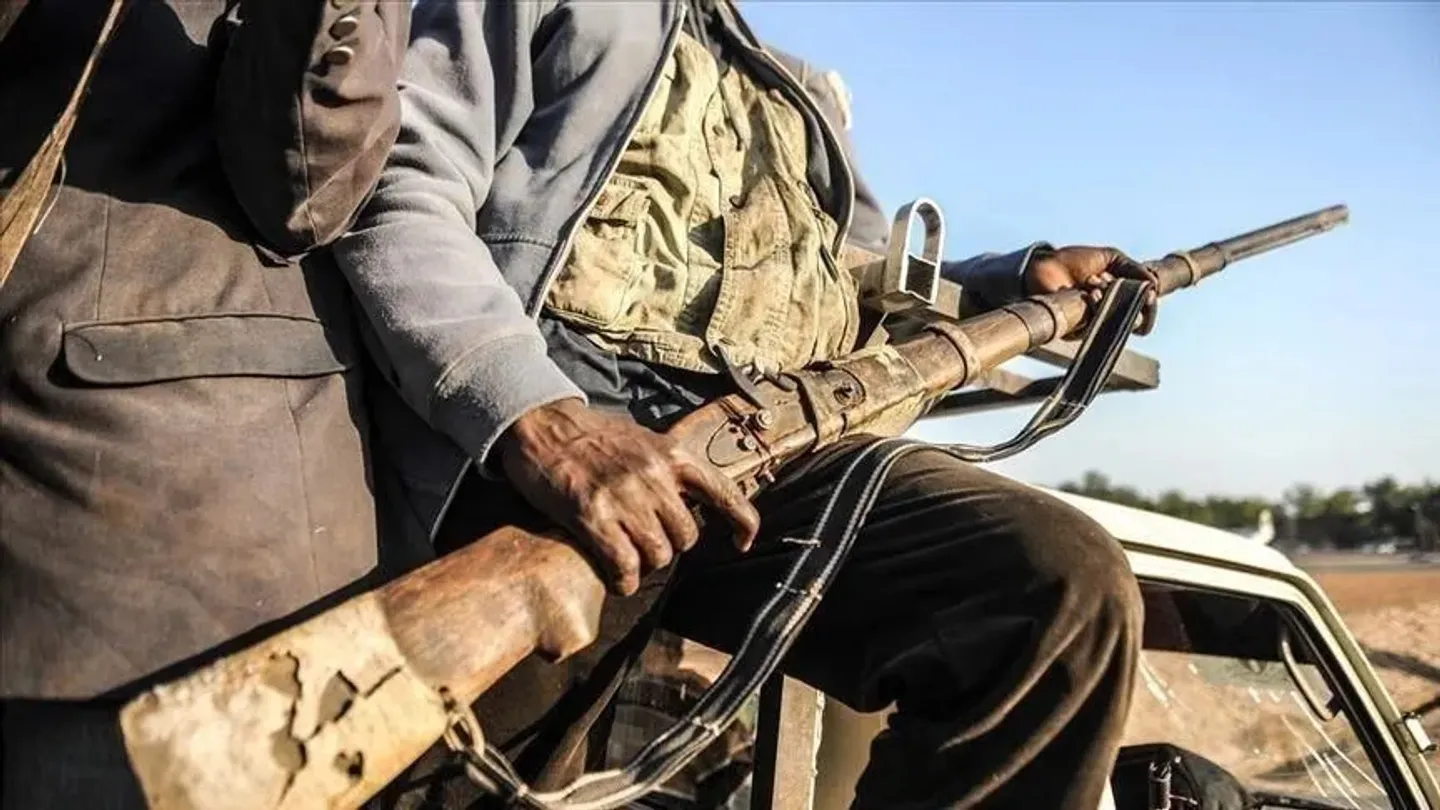
Nigeria's House of Representatives called on the federal government to end the rehabilitation and reintegration of repentant terrorists, kidnappers and bandits, arguing that the policy weakens efforts to tackle insecurity and encourages criminal activity.
The resolution was adopted during Wednesday's plenary session following a motion that also urged authorities to strengthen efforts to disrupt the financing of terrorism and kidnapping.
Chairman of the House Committee on Navy, Yusuf Gagdi, told lawmakers that some former insurgents who had completed rehabilitation programmes were allegedly responsible for leaking intelligence, compromising military operations and contributing to attacks on security personnel, according to local media reports.
The motion, sponsored by lawmaker Ademorin Kuye, also called for stronger measures to dismantle the financial networks supporting terrorism and kidnapping. It urged the government to improve financial intelligence, enhance cooperation among security agencies, and strictly enforce anti-money laundering laws.
Adopted motion


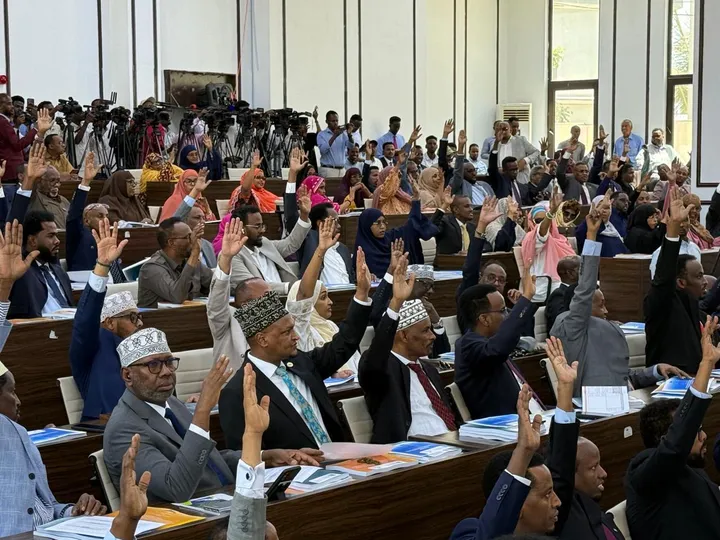



Local media outlet Premium Times reports lawmakers adopted the motion following debates as amended, calling on the federal government to strengthen efforts against terrorism financing while discontinuing the rehabilitation and reintegration programme for repentant terrorists and other violent offenders.
The rehabilitation initiative, known as Operation Safe Corridor, was launched by the Nigerian government to encourage low-risk Boko Haram and other insurgents to surrender, undergo deradicalisation, receive vocational training and eventually return to their communities.
The programme has long divided public opinion. Supporters argue it helps reduce the insurgency by encouraging defections and reintegrating former fighters, while critics say it denies justice to victims and poses security risks if rehabilitated ex-combatants return to violence.
Earlier this year, Nigeria's Chief of Defence Staff, General Christopher Musa, said about 789 former terrorist combatants were enrolled in the De-radicalisation, Rehabilitation and Reintegration (DRR) programme under Operation Safe Corridor.
The federal government has also announced plans to establish a second Operation Safe Corridor camp in the country's North-west to encourage more low-risk terrorists and bandits to surrender, despite continued debate over the programme's effectiveness and accountability.