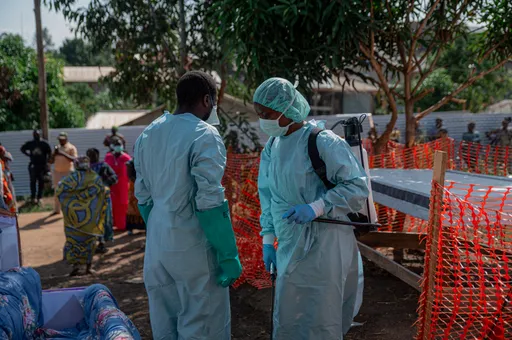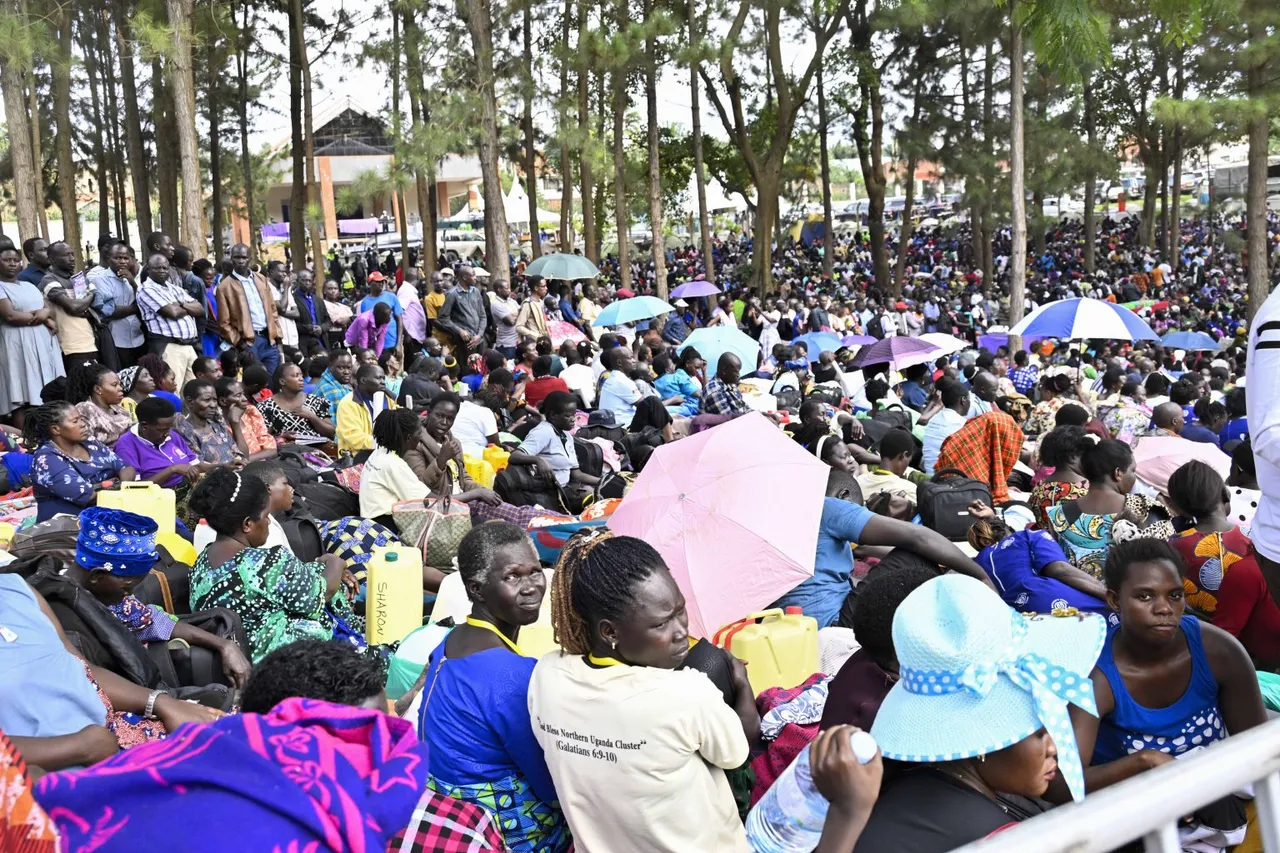
Uganda’s annual Martyrs Day pilgrimage, one of East Africa’s largest religious gatherings, has been postponed after authorities raised concerns over the threat of Ebola spreading from neighbouring eastern Congo.
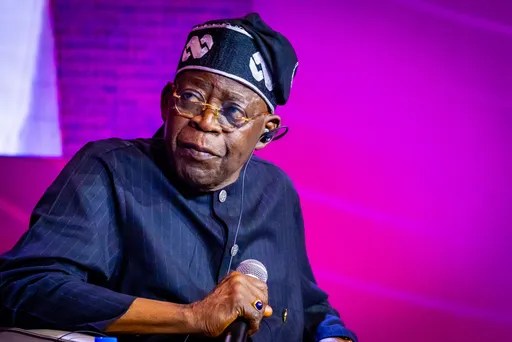
In a statement published on his X social media account and addressed to the nation, Ugandan President Yoweri Museveni said the decision was reached after consultations with the national epidemic response task force and religious leaders.
“Uganda receives thousands of pilgrims annually from Eastern Congo, which is currently experiencing an Ebola outbreak,” Museveni said. “To safeguard everyone’s lives, it is essential that this important event be postponed.”
The president urged pilgrims who had already begun travelling to return home, continue observing precautionary measures, report suspected illnesses and encourage those feeling unwell to seek medical attention.
Symbolic pilgrimage
The postponement casts a shadow over a deeply symbolic event that every year draws tens of thousands of worshippers to Namugongo township in central Uganda.
The annual commemoration, observed on June 3 and marked as a public holiday, honours the faith and sacrifice of the Uganda Martyrs — a group of young Christian converts executed in the late 19th century under the orders of Buganda King Mwanga II.
For many pilgrims, the journey to Namugongo is more than a religious obligation. Some walk for days or even weeks from across Uganda and neighbouring countries including Kenya, Tanzania, Rwanda, South Sudan and the Democratic Republic of Congo, often carrying personal prayers, thanksgiving messages and hopes for healing.






The origins of the commemoration date back to a turbulent period in Buganda’s history during the arrival of Christian missionaries in East Africa. In the late 1800s, Catholic missionaries established a mission in Uganda during the reign of King Muteesa I, who allowed religious freedom within his kingdom.
Execution orders
However, tensions grew as some members of society feared Christianity was weakening traditional beliefs and royal authority. When Muteesa died in 1884 and his son Mwanga II ascended the throne, attitudes toward the growing Christian movement hardened sharply.
Mwanga viewed the missionaries and their converts as a threat to his power. In 1885, barely a year into his reign, several missionaries were executed. The persecution intensified when converts who worked closely with missionaries refused to renounce their faith.
Among them was Charles Lwanga, who became one of the most recognised figures of the Uganda Martyrs after attempting to shield younger converts from persecution. He and others were eventually killed, many burned alive at Namugongo.
By the end of the persecution in 1887, 45 Christian converts — 22 Catholic and 23 Anglican — had been executed.
Their story would later become one of Africa’s most enduring Christian narratives. In 1975, Pope Paul VI dedicated a shrine at Namugongo in honour of the martyrs, cementing the site as a major centre of pilgrimage for Christians across the continent.