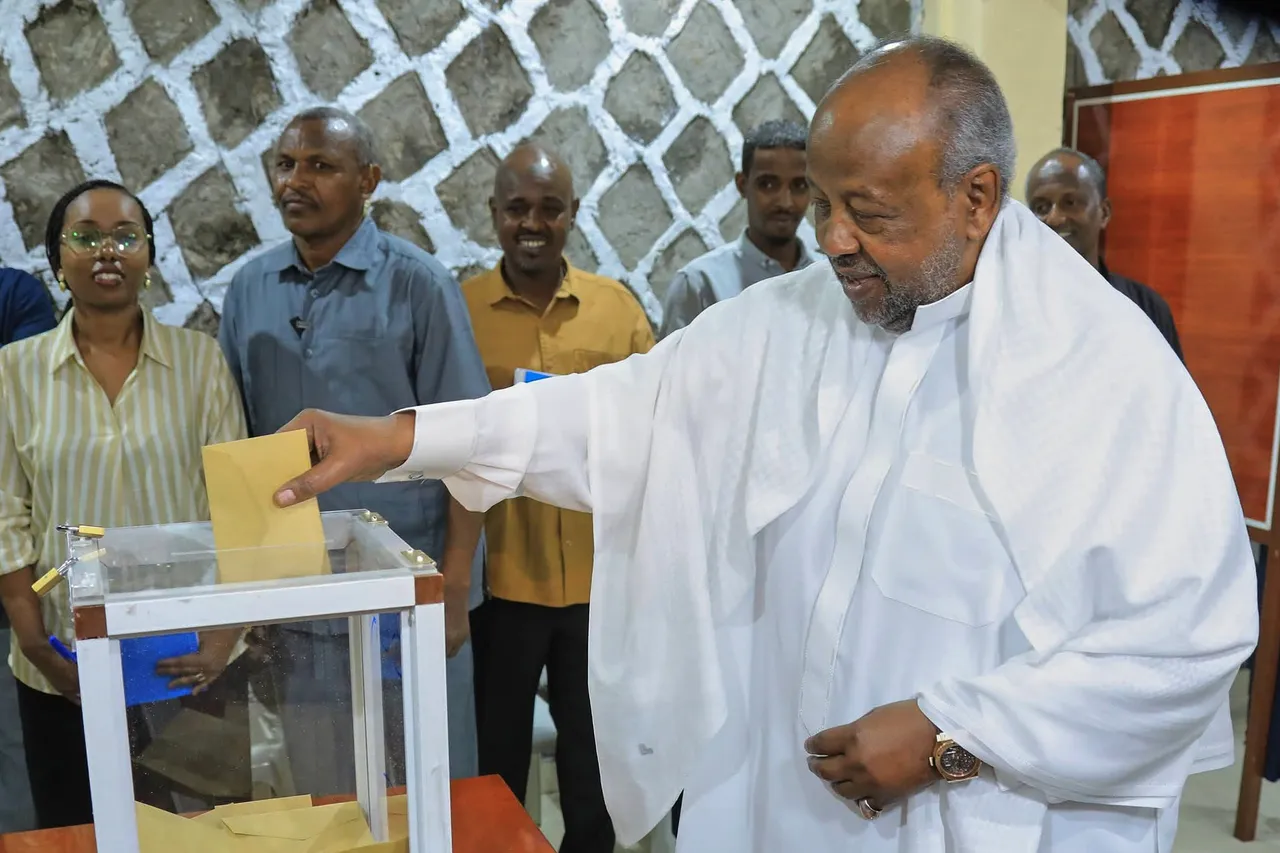
Voters in the Horn of Africa nation of Djibouti cast ballots for president on Friday, with longtime leader Ismaïl Omar Guelleh expected to secure a sixth term in office after lawmakers scrapped presidential age limits last year.
Guelleh, 78, has ruled the country of about of million people for more than two decades. The results of the 2021 election showed him winning nearly 99% of the vote.
He faces a single challenger, Mohamed Farah Samatar, a former ruling party member, in a race analysts say offers weak competition. Opposition groups frequently boycott elections, citing restrictions on political freedoms, while authorities point to stability in a volatile region.
Guelleh succeeded his uncle, former President Hassan Gouled Aptidon, in 1999.






Regional significance
Djibouti hosts multiple foreign military bases, including those of the U.S., China, France and Japan, underscoring its strategic importance along a key global shipping route linking the Red Sea and the Gulf of Aden. Revenues from these arrangements, along with port services for neighbouring Ethiopia, underpin the economy.
But that model leaves Djibouti exposed to external shocks. It depends heavily on Ethiopia’s use of its ports, while global disruptions — including Red Sea shipping insecurity — pose risks to revenue. Rising geopolitical competition and debt exposure, particularly to China, also add to longer-term uncertainty.
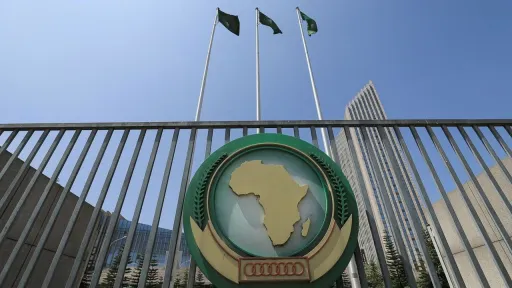
Regional observers from the African Union and the Intergovernmental Authority on Development are monitoring the vote.