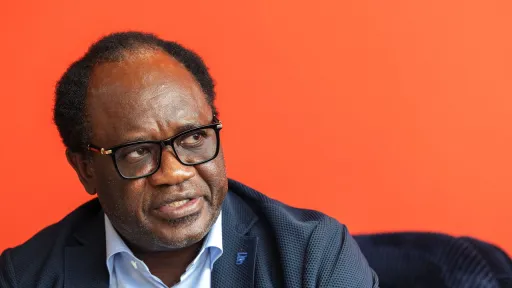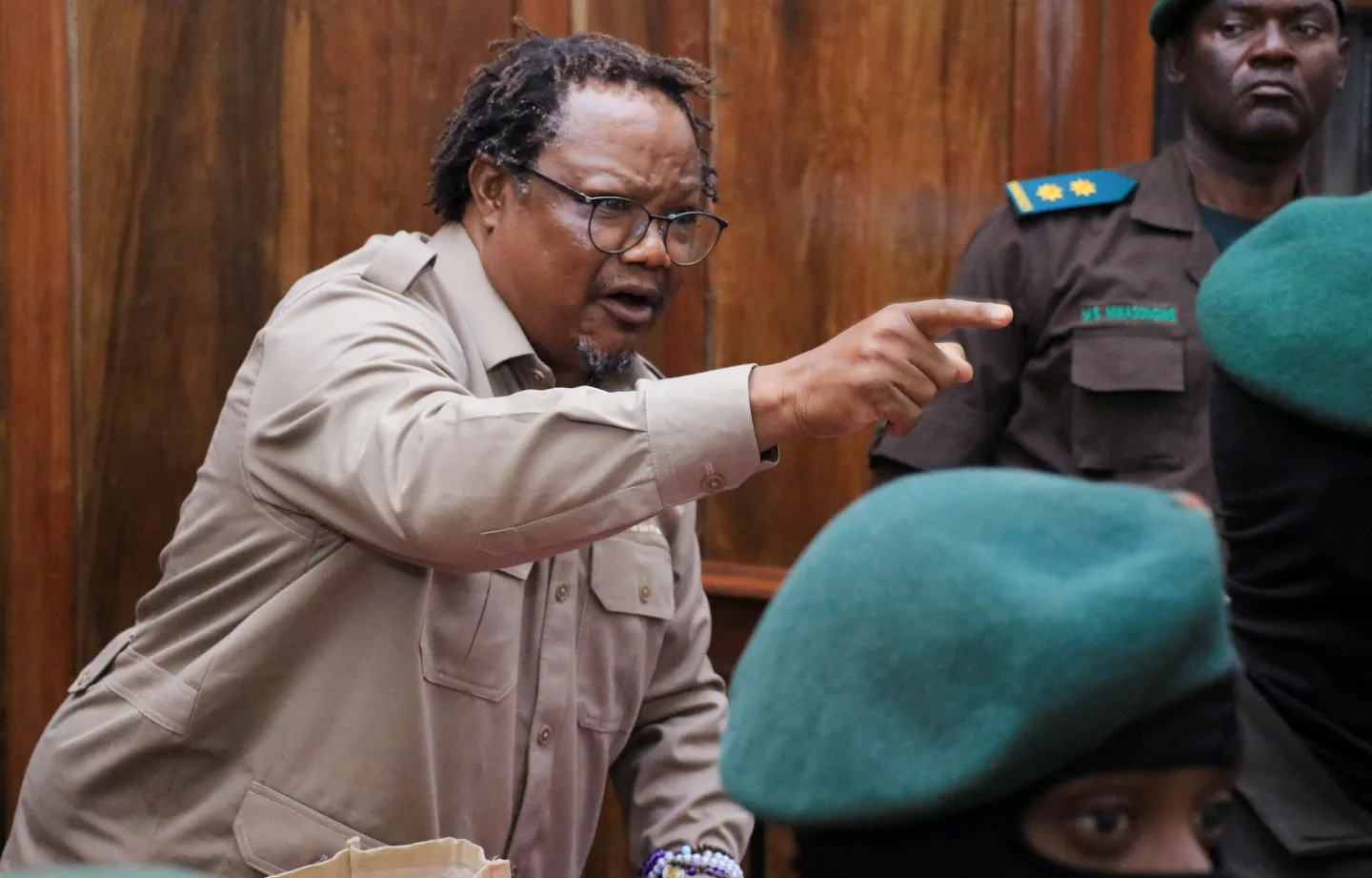
Tanzanian opposition leader Tundu Lissu opened his defense in his treason trial on Friday, calling it a "political case".
Lissu, head of the opposition Chadema party, was detained in April 2025 and charged with treason, which carries a potential death penalty, for allegedly inciting the public to boycott last year's elections.
He has faced multiple arrests over the years and survived an assassination attempt in 2017.
Tanzania has been on the spot light after protests around elections that was held in October, with the opposition saying thousands were killed.
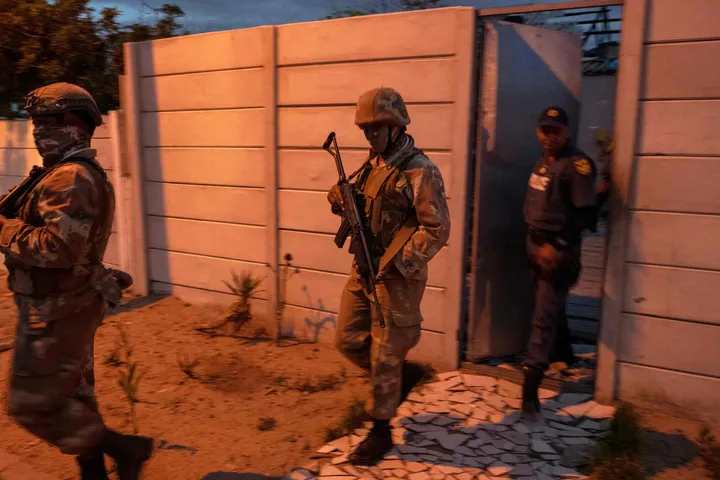
Security was heightened at the high court on Friday as Lissu's supporters packed the courtroom for the ruling.
President as witness
The court earlier ruled that Lissu had a case to answer after hearing from 17 prosecution witnesses earlier this week.



Lissu, who is representing himself, listed several high-ranking government officials that he will call as defense witnesses, including President Samia Suluhu Hassan, and asked the court to "summon them".
"I need to meet my lawyers and witnesses but they are not allowed to visit me in the prison," Lissu said, asking the judges to address the problems.
During the afternoon session, Lissu opened his defense as the first witness in his treason trial, arguing it was a "political case."
New inquiry
Last year, before the October polls, Lissu's party organised a campaign dubbed "No Reforms, No Elections", which led to his arrest.
"I have a reputation locally and internationally (which) comes from my stance on the fight for democracy and rule of law," Lissu said.
The government says more than 500 people were killed during the election unrest and announced a new investigation this month into the perpetrators of the violence.