 Pauline Odhiambo
When Marie-Claire fled the Democratic Republic of Congo in 2018, she left behind a thriving small business in Goma, a city she had called home for 42 years. The violence that tore through her village didn't discriminate—it took her husband, her two eldest children, and any sense of safety she had ever known.
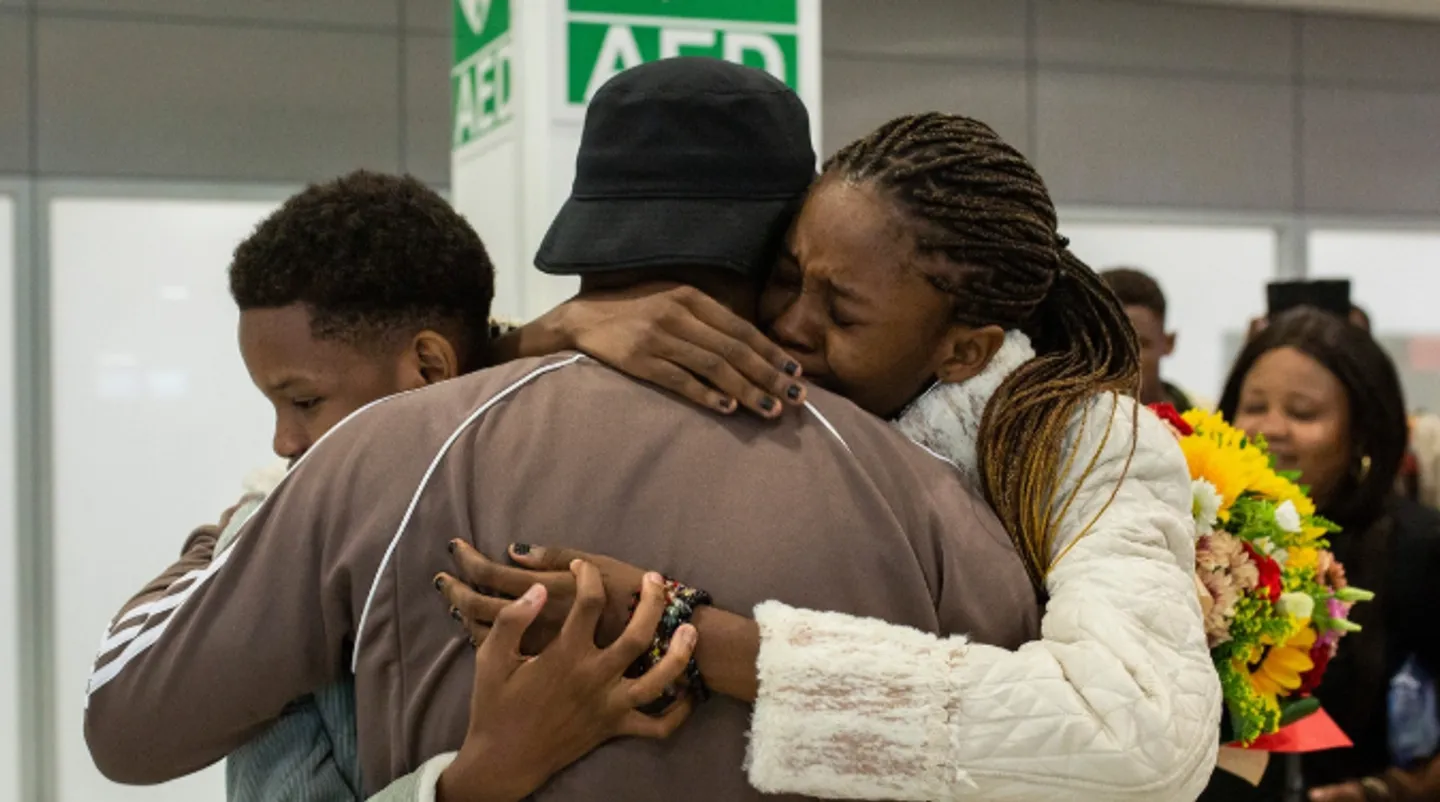
Today, in a modest but warm apartment in Winnipeg, Canada, Marie-Claire watches her surviving daughter, now 14, practice piano in the corner of their living room. The girl's fingers stumble over the keys, but her smile is steady. It's a sound Marie-Claire never imagined she would hear again.
"I remember the day we arrived," Marie-Claire tells TRT Afrika, her voice soft but clear, her Congolese accent still present after seven years in Canada. "The snow was so white, so clean. I looked at my daughter and thought, 'She will never see what we saw. She will only see this.'"
Marie-Claire now works as a teaching assistant at a local elementary school, helping children from all backgrounds learn French. She sends money monthly to her sister, who remains in Goma, and has helped three other family members navigate the resettlement process. For her, World Refugee Day marked each year on June 20, isn't just a date on the calendar—it's a reminder of how far she has come, and how far others still have to go.
Yet for every Marie-Claire, there are thousands still waiting.
‘I built a life’
According to the UNHCR's latest Projected Global Resettlement Needs report, some 2.4 million refugees worldwide will require resettlement in 2027. While this figure represents a slight decline from previous years—driven in part by evolving situations in Syria and Afghanistan—the gap between need and opportunity remains staggering.
In 2025, only 37,000 refugees departed to new countries through UNHCR-assisted resettlement. That's down from more than 116,000 in 2024, and a fraction of those who desperately need a safe haven.
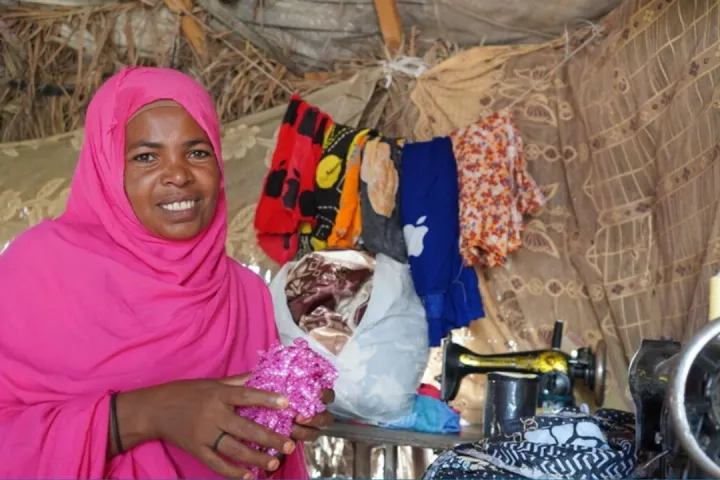
For John Deng, a South Sudanese refugee who has lived in Uganda's Bidibidi Settlement since 2016, these numbers are more than statistics—they are the faces of friends and neighbours still trapped in limbo.
"I have been here for ten years," says John, now 34, who fled civil war in South Sudan when he was just a university student. "I finished my education here. I learned to farm. I built a life. But I cannot go home. My village no longer exists. And I cannot stay forever in a camp."
John now works with a local NGO, helping newly arrived refugees navigate life in the settlement. He sees the strain on Uganda's resources firsthand—schools overflowing with children, clinics running out of medicine, and families sharing tents meant for two but housing eight.
"Uganda has been generous," he says, "but generosity has limits. Resettlement is not about taking people away from here—it's about sharing the responsibility. When someone is resettled, it makes room for someone else to receive help here. It eases the pressure."
‘Resettlement is not charity’
The UNHCR report highlights that Eastern and Southern Africa, followed by Asia and the Pacific, and West and Central Africa, hold the highest resettlement needs globally. Low- and middle-income countries host 68 percent of the world's refugees—a disproportionate burden that demands urgent international action.
Resettlement, the report emphasizes, is not charity. It is a practical, life-saving solution with a proven track record since the Second World War. It relieves pressure on host countries, strengthens global partnerships, contributes to stability, and reduces dangerous onward journeys.
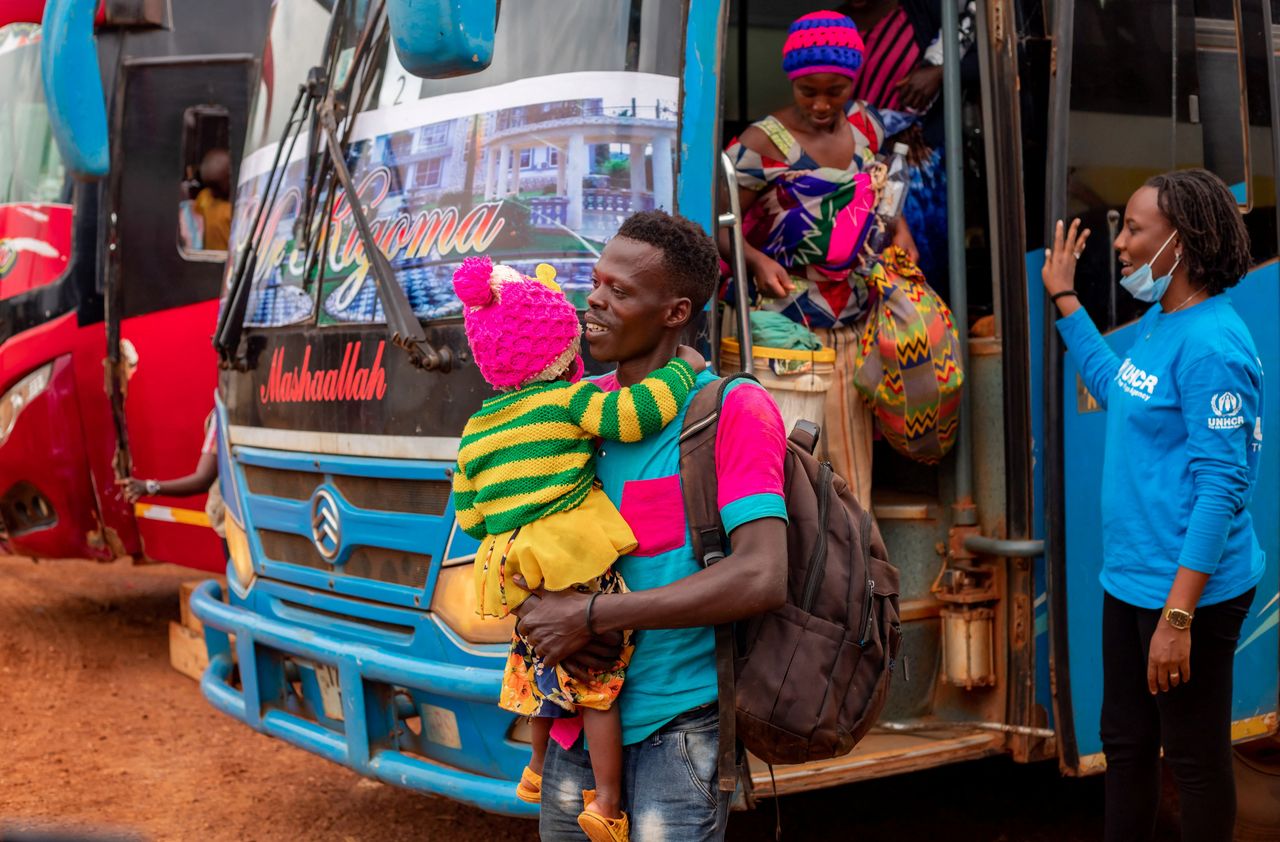
Yet declining quotas, policy changes in destination countries, and processing backlogs have made the international community's 2022 target of 130,000 resettlement places for 2027 increasingly unlikely to be met.
As the world marks the 75th anniversary of the 1951 Refugee Convention this year, UN High Commissioner for Refugees Barham Salih has called for halving the number of refugees in protracted displacement by 2035. But that vision requires concrete action—increasing quotas, bringing more countries on board, and accelerating processing.
Back in Winnipeg, Marie-Claire reflects on what resettlement has given her—not just safety, but purpose.
"People think refugees take something away," she says, her eyes steady. "But we bring so much. I teach children. I pay taxes. I volunteer at my church. My daughter wants to be a doctor. She will save lives here. That is not taking—that is giving."
John echoes that sentiment from Uganda, where he continues to advocate for others still waiting.
"Resettlement saved me from despair," he says. "It gave me hope when I had none. But hope should not be a lottery. Every refugee deserves a chance to rebuild. Every person deserves a place to call home."