 Susan Mwongeli
Calls to reform the UN Security Council are once again being heard at the UN General Assembly.
But this is not a new debate. For decades, world leaders, particularly from Africa and the wider Global South, have argued that a body created more than 80 years ago no longer reflects the world it represents.
The message has been repeated by leaders past and present."We have asked and asked and asked: reform, reform the UN Security Council," late former Zimbabwean President Robert Mugabe said during one his speeches at UNGA.
Türkiye's President Recep Tayyip Erdogan has repeatedly summed up his argument with one phrase: "The world is bigger than five."
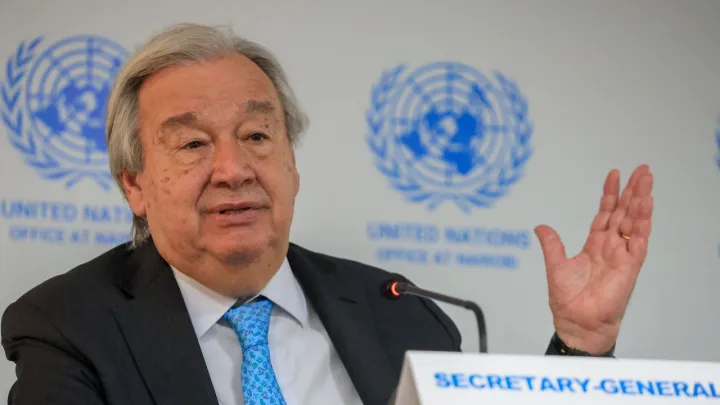
And outgoing UN Secretary-General António Guterres has also called for the Council to better reflect "today's world."
Centre of debate
At the centre of the debate is Africa. Despite having 54 of the 193 UN member states, Africa has no permanent seat.
"Africa must be granted permanent representation on the UN Security Council, complete with all the rights and responsibilities," Ghana's President John Magama stressed at the 81st UNGA on 23 September 2026.
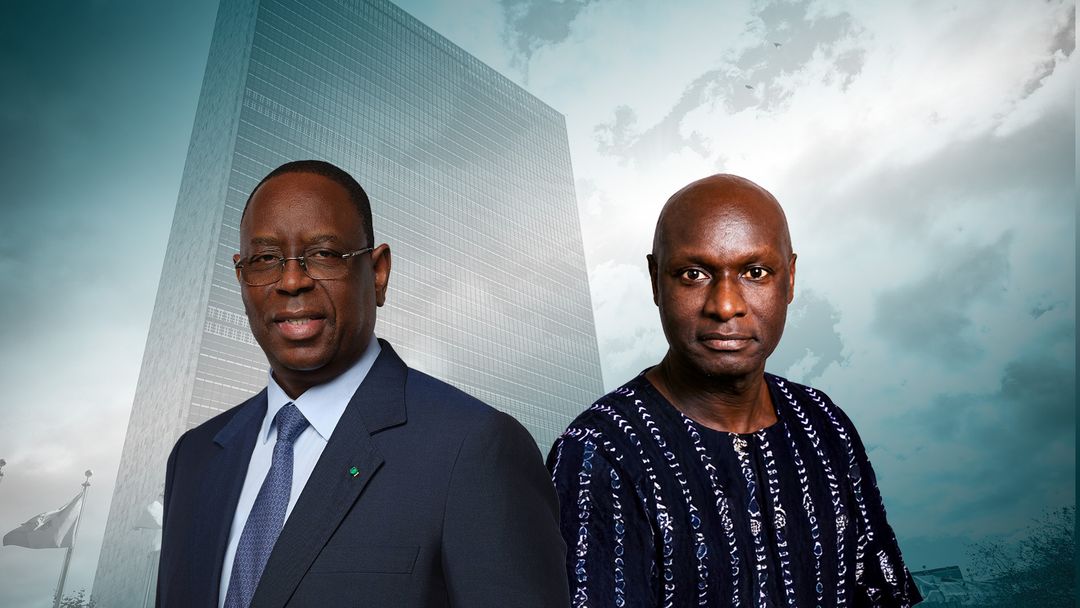
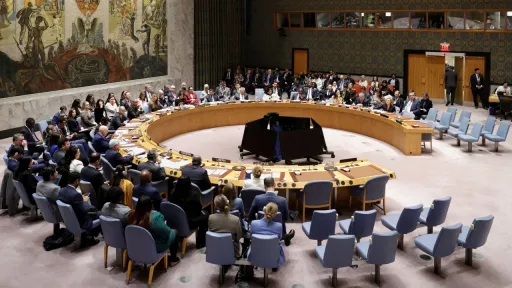
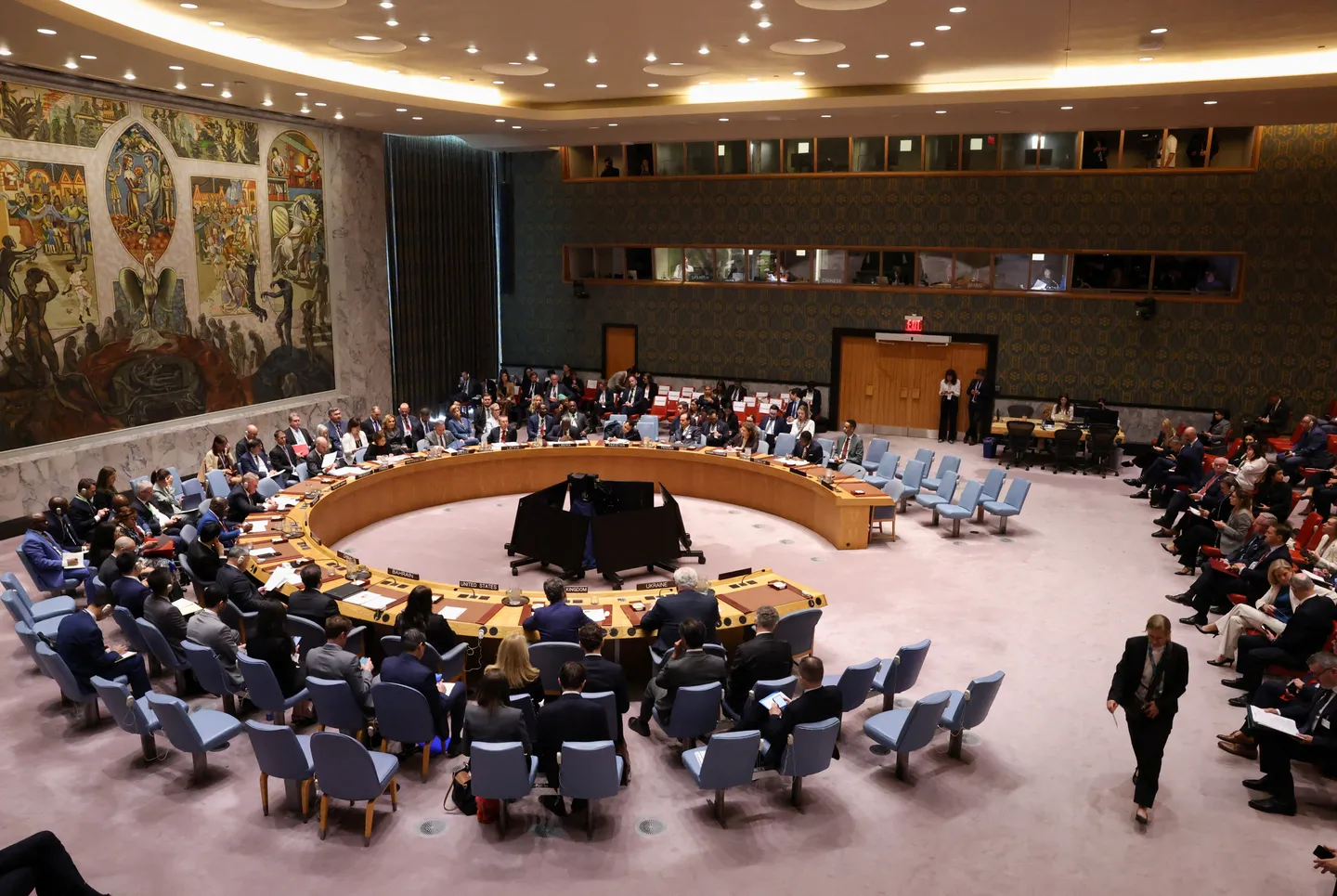
So why has reform proved so difficult? Created in 1945 when the UN was established, the Council has primary responsibility for maintaining international peace and security.
It can impose sanctions, establish peacekeeping operations and authorise the use of force.
Today it has 15 members: ten elected for two-year terms and five permanent members known as the P5 — China, France, Russia, the United Kingdom and the United States, who hold veto power.
A negative vote from just one can block a resolution. Amending this structure is extremely difficult.

Under Article 108 of the UN Charter, an amendment requires approval by two-thirds of the General Assembly and ratification by two-thirds of member states, including all five permanent members.
In other words, those being asked to share power must agree to it.
Rivalry among the P5 is a further stumbling block. Some countries would also need to change domestic laws to enable them to ratify any Charter amendment, which could complicate the Council's expansion even if leaders agree to it.
Sharing veto power
There is also disagreement over who should get new permanent seats and whether they should have the veto.
The P5 do not appear willing to share veto power, while some countries that are not permanent members want it abolished or curbed.
However, Africa continues to push, demanding at least two permanent seats. India, Brazil, Germany and Japan have also asked for permanent membership, while others favour expanding only elected seats.
"The reform of this institution (United Nations) must begin with the reconstitution of the Security Council, for the world of 2026 cannot remain captive to the distribution of power in 1945. Africa cannot continue to fill the council's agenda while remaining absent from its permanent membership," Nigerian Vice-President Kashim Shettima told UNGA on 24 September 2026.
Nigeria demands "at least two permanent seats for Africa, with all the rights and responsibilities of permanent membership, including the veto for as long as it exists, and five non-permanent seats in total," Shettima, who represented President Bola Tinubu, said.
The Council expanded from 11 to 15 members in 1965, but its permanent membership has remained unchanged since 1945.
So after decades of calls, the central obstacle remains: how do you redistribute power when those who hold it have a decisive say in whether it is shared?