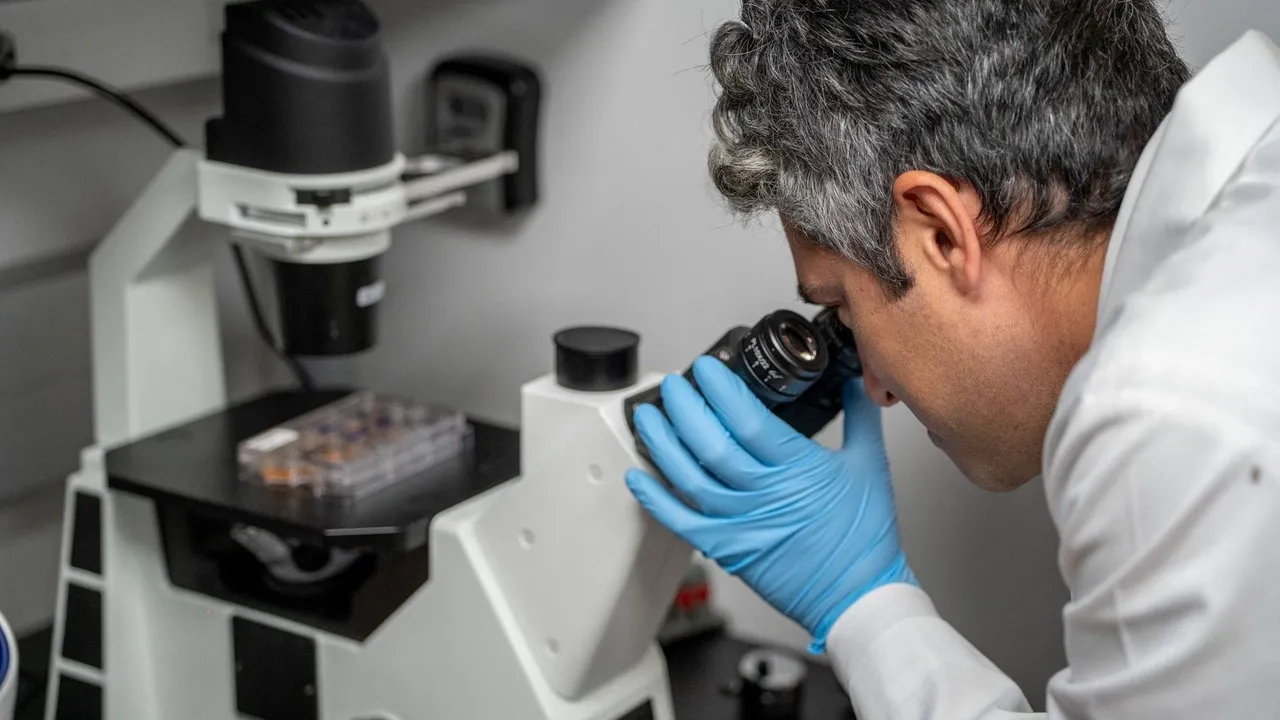
The World Health Organization (WHO) has warned that annual global cancer cases could rise to nearly 35 million by 2050 unless governments take urgent action to strengthen prevention, expand access to care, and address widening inequalities.
The warning came in WHO's Global Status Report on Cancer 2026, produced jointly with the International Agency for Research on Cancer, which said cancer remains the world's second-leading cause of death after cardiovascular disease, with an estimated 20.6 million new cases and nearly 10 million deaths each year.
"Cancer is a deeply personal disease that touches nearly all of us. But whether a person survives cancer should never depend on where they were born or what they earn," WHO Director-General Tedros Adhanom Ghebreyesus said in the report on Wednesday.
"The inequities documented in this report are not inevitable; they are the consequence of choices, and they can be reversed through stronger and unified action," he added.
Financial hardship

The report found major disparities in cancer care, noting that 87% of women diagnosed with breast cancer survive at least five years in high-income countries compared with about 42% in low-income countries. It also said fewer than one-third of countries include cancer care in their universal health coverage packages.
WHO's first global survey of people affected by cancer found that at least 45% experience financial hardship, more than half report mental health challenges, and nearly all caregivers face strain, including unpaid care responsibilities and social isolation.
The report said nearly four in 10 cancer cases are linked to preventable risk factors, including tobacco and alcohol use, obesity, physical inactivity, infections, and air pollution.
"While we are seeing reductions in some cancer rates in countries that have implemented prevention policies, progress has been too slow," said Elisabete Weiderpass, the director of WHO's International Agency for Research on Cancer, warning that rising obesity, unhealthy diets, and air pollution are reshaping the global cancer burden.
WHO called for a people-centred approach to cancer control, urging governments to integrate cancer care into universal health coverage, strengthen social protection and improve equitable access to prevention, diagnosis, and treatment.