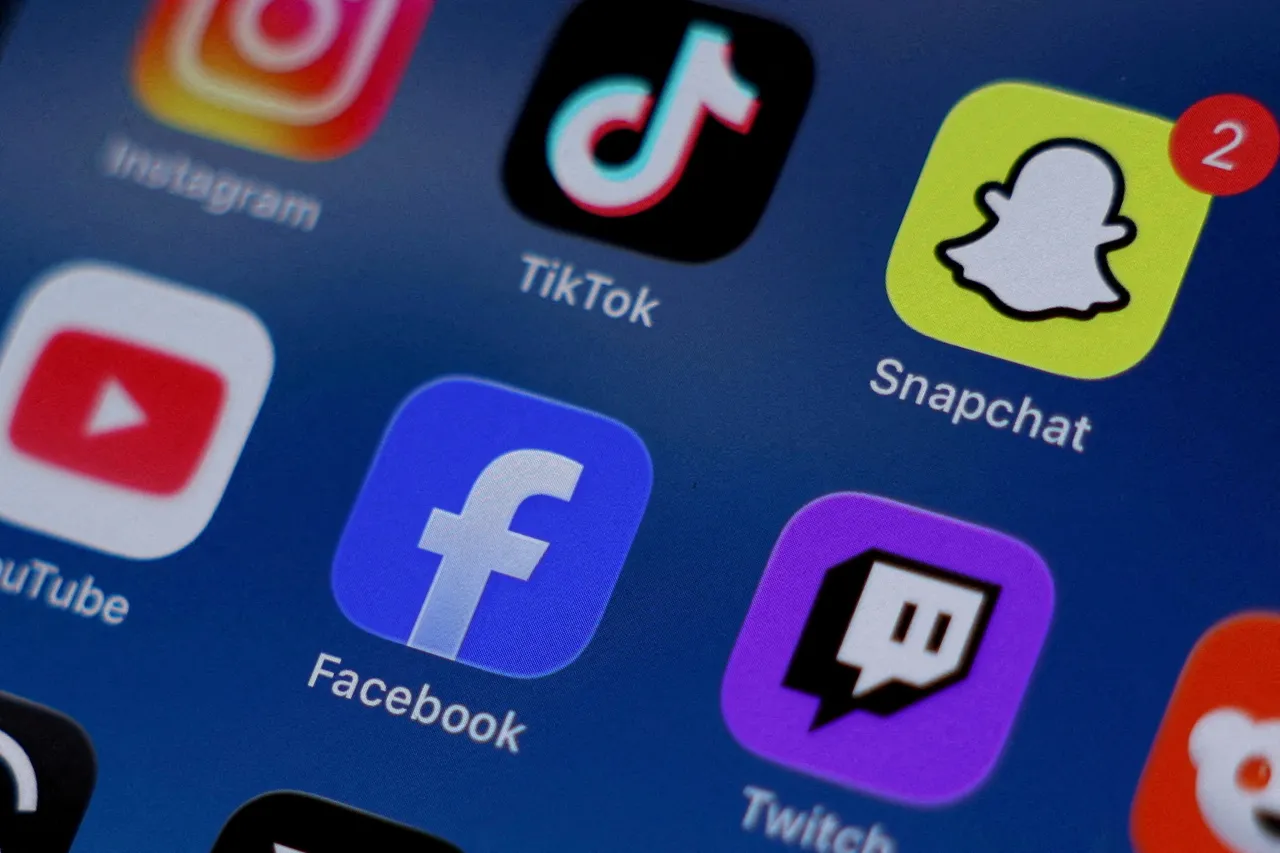
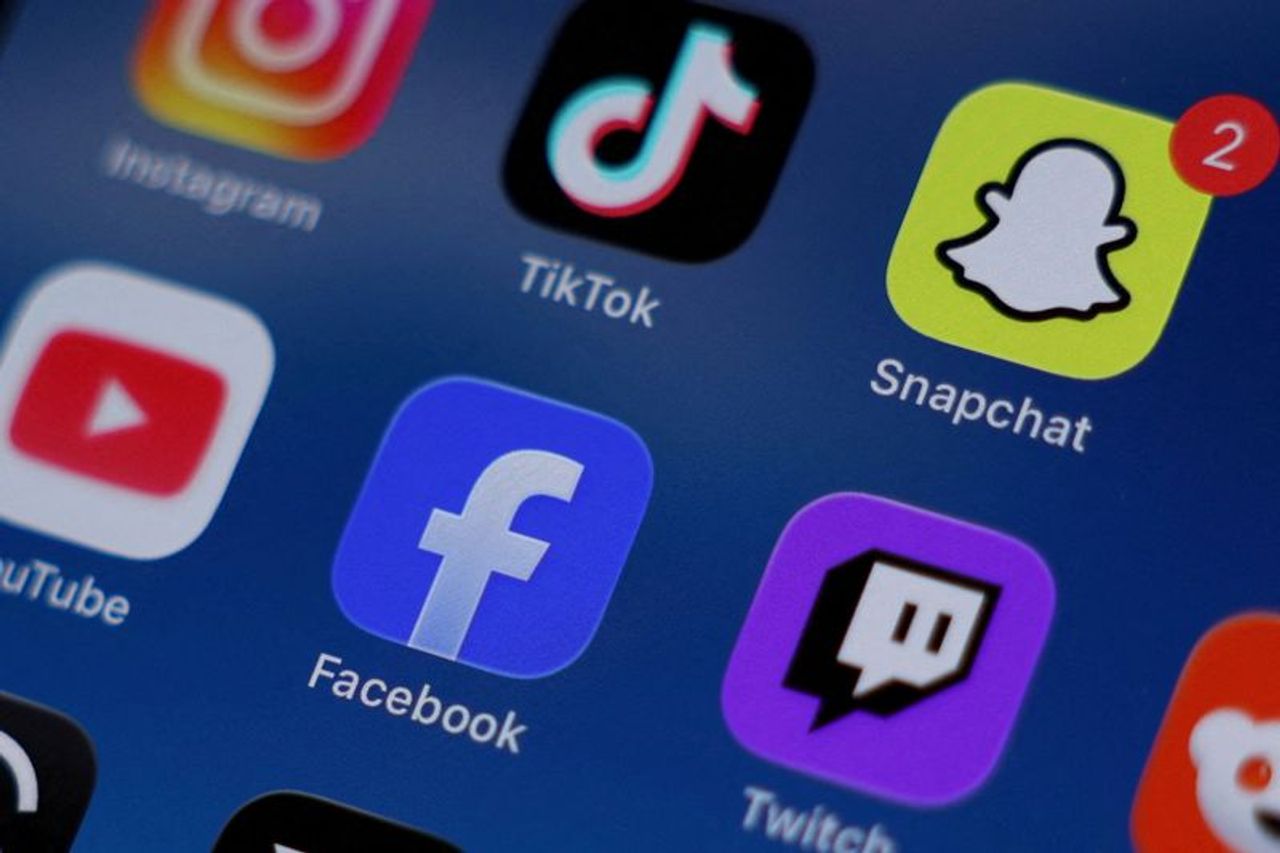
Türkiye has introduced new legislation to regulate the use of social media by children under 15.
The law, passed by the Grand National Assembly on April 23, prohibits minors under 15 from opening accounts on these platforms and requires providers to implement clear parental controls, including monitoring usage time and obtaining consent for registration.
Platforms must also promptly address complaints and take action against misleading advertising; violations may result in sanctions, including advertising bans or bandwidth restrictions.
Digital gaming platforms are also required to implement age ratings. The law will take effect six months after its publication in the official gazette.
The dilemma of Der Spiegel
The way the media present a topic to their readers, using specific interpretive frameworks, decisively influences understanding of the opposing viewpoint.
Media organisations make intensive use of this method to guide and shape people’s perceptions of a particular issue and how they should think about it.
Although media companies are largely aware that this practice is unethical and contradicts media theory, they do not abandon their zealous stance on content framing.
When it comes to Türkiye, European media companies have consistently provided particularly striking examples of this.
The way Der Spiegel presents the current legal regulations also provides a strong example of this.
Der Spiegel’s journalistic reaction to the same type of regulation, whether planned by the European Union (EU) or implemented by Türkiye, is diametrically opposed.
To call this a mere contradiction is too simplistic, as a clear bias is evident.
While Der Spiegel defines EU regulation as “protection and regulation,” it portrays the same measure by Türkiye as a “controversial ban and surveillance”.
From every perspective, this reveals a clear inconsistency.
Criticism of DW Turkish
The way DW Turkish presents this legal regulation also exhibits a certain distortion.
In a text that initially appears to be a neutral news report, phrases such as “it is feared that this ban could also affect adults” or “there are concerns that the application could actually target adult users” are inserted at numerous points.
This creates a negative interpretive framework for the reader.
This approach contradicts both journalistic principles and the aim of providing readers with pluralistic content.






The portrayal of VPNs as “software used to circumvent censorship in countries like Türkiye with internet bans” is also criticised as reflecting a distorted perspective.
Back in 2020, DW Turkish took a similar stance, portraying Türkiye’s social media regulations negatively.
At the time, it was argued that such regulations were possible “in countries with high legal standards like Germany,” while they “carry a high risk of abuse in autocratic states.”
Although this stance appears to have softened today, it remains discernible.
Global search for solutions
Not only Türkiye, but numerous countries worldwide are seeking solutions to protect children from the risks associated with social media.
Many states are taking measures to restrict children under 15 years from accessing social media platforms.
The background to this includes increasing problems such as attention deficits, bullying, loss of motivation, glorification of weapons, and radicalisation, which are becoming more apparent in the course of digitalisation.
This topic is among the most discussed issues worldwide.
Australia was the first country to introduce such legislation, restricting access for those under 16 to platforms like TikTok, Instagram, Snapchat, X, and Facebook in December 2025.
France has also taken new steps, with a corresponding law being passed by the Senate. Several Asian countries have similar regulations.
Denmark and Norway are working on bans for those under 15 and 16, respectively. Norwegian Prime Minister Jonas Gahr Store stated that a corresponding draft law would be presented later this year.
The debate is also taking place in Great Britain. Prime Minister Keir Starmer emphasised that existing regulations are insufficient to protect children from the harmful influences of the internet.
Greece announced that it will ban the use of social media for those under 15 from January 1, 2027.
At the EU level, Commission President Ursula von der Leyen stated that a new “digital age verification application” is technically ready for use and will be introduced soon. This shows that there is already a broad consensus in this area.
Overall, it is clear that many states – despite their different approaches – face a common challenge: protecting children in an increasingly digital world.
With this new regulation, Türkiye is positioning itself within this global development and pursuing the goal of protecting children from the negative effects of digital networks.
The article was originally published on TRT DEUTSCH