In recent years, the Antalya Diplomacy Forum has evolved far beyond a platform for presenting Türkiye’s foreign policy vision. It has become an emerging diplomatic stage where African leaders can articulate their perspectives at a time when the global power architecture is being reshaped.
The strong high-level participation from across Africa at the 2026 forum made clear that this transformation is no coincidence. Antalya is no longer merely a venue for meetings; it is a strategic space where Africa is redefining its place in a changing world order.
A close reading of African leaders’ messages in Antalya reveals three recurring themes; Regional ownership, the search for a multipolar global system, and the institutionalization of strategic partnerships with Türkiye.
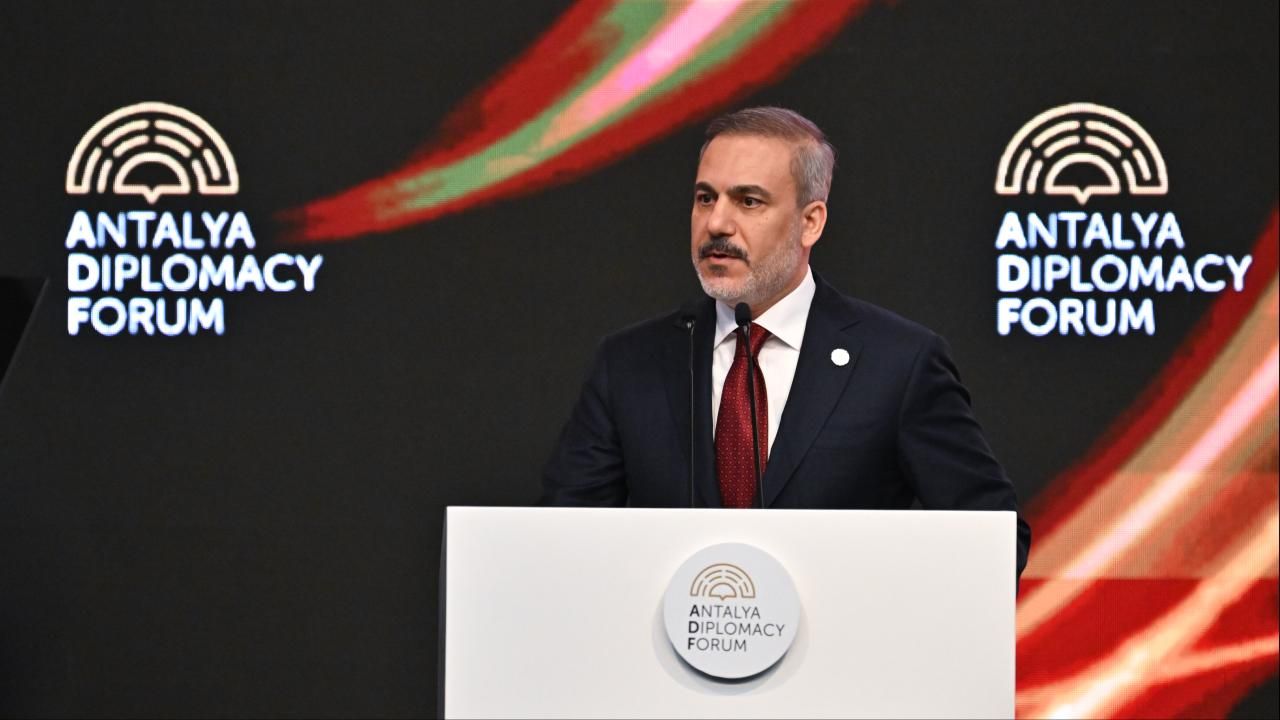
First, the emphasis on regional ownership stands out. The remarks delivered in Antalya by Burundian President Evariste Ndayishimiye, who also serves as Chairperson of the African Union, underscored Africa’s determination to move beyond being an object of external intervention and instead become an actor capable of producing its own solutions.
This perspective helps explain the positive perception of Türkiye’s Africa policy across the continent. Ankara’s engagement is increasingly seen not as decision-making on behalf of Africa, but as supporting Africa’s institutional capacity and strategic autonomy.
The presence of Democratic Republic of the Congo President Félix Tshisekedi at the forum also illustrated the geographic expansion of Türkiye’s Africa policy.
For many years, Türkiye’s engagement with Africa was largely interpreted through its activities in East and North Africa.
The Antalya meetings demonstrated that Ankara is now becoming more visible in areas such as Central African security, resource governance, and regional integration. This signals the transition of Türkiye’s Africa policy into a second, more comprehensive phase.
Similarly, Somali President Hassan Sheikh Mohamud’s emphasis on diplomacy highlighted perhaps the most advanced model of Türkiye–Africa cooperation. In Somalia’s case, Türkiye is no longer viewed merely as an investor or humanitarian partner, but as a multidimensional contributor to state capacity-building.
This perception helps explain why many African leaders increasingly describe Türkiye as a “distinctive” partner. The messages delivered in Antalya reflected how this relationship of trust is now becoming institutionalized at the diplomatic level.
‘Distinctive’ partner
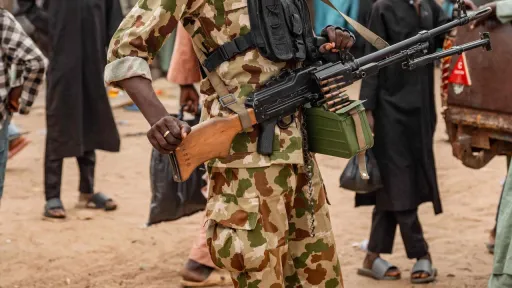
Security cooperation formed another important pillar of the forum’s relevance for Africa. Progress in areas such as special forces training and defense technology cooperation between Türkiye and Nigeria demonstrated that Antalya is no longer just a venue for dialogue—it is also a platform where tangible strategic partnerships take shape.
Coverage in African media framed these developments as evidence that Türkiye is emerging as a credible security partner for the continent.Uganda’s participation offered yet another insight into the forum’s diplomatic function: its role as a space for easing tensions.


Despite recent disagreements between Ankara and Kampala over Somalia-related issues, Uganda’s high-level representation in Antalya showed that relations between Türkiye and African states have become too institutionalized to be defined by a single dispute.
In this sense, Antalya has become not only a platform for launching new partnerships, but also one for recalibrating existing ones.
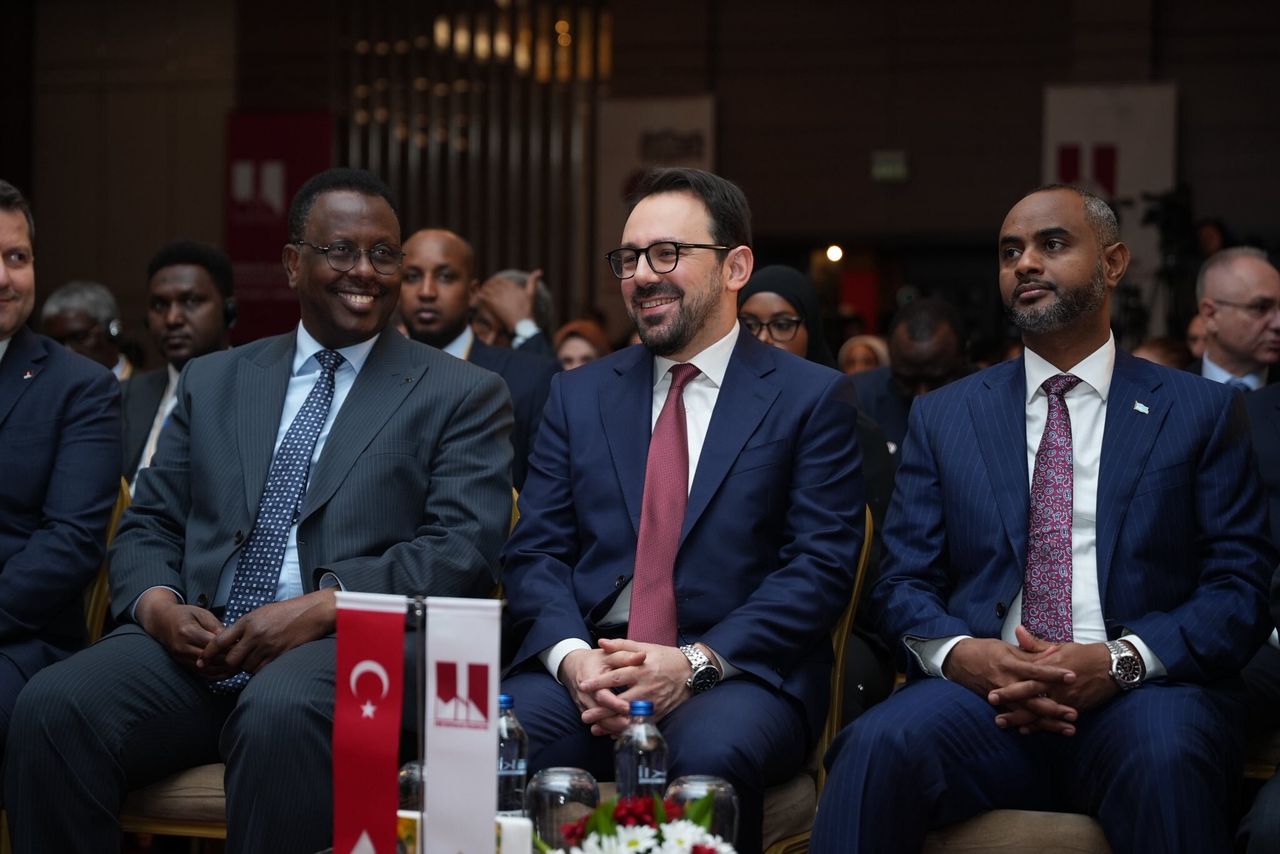
More broadly, the strong presence of African leaders in Antalya reflects a wider strategic search for alternative diplomatic platforms. For decades, global diplomacy has largely revolved around cities such as New York, Brussels, Geneva, and Paris. Antalya is now emerging as a new node in this network.
For African countries, this represents not only geographic diversification but also the expansion of diplomatic options in an increasingly multipolar world.
Expansion of diplomatic options
One of the most striking aspects of the forum from an African perspective is the growing expectation regarding Türkiye’s mediation capacity. Considering crises such as the conflict in Sudan, tensions between Somalia and Ethiopia, instability across the Sahel, and persistent security challenges in Central Africa, Türkiye’s expanding diplomatic engagement through platforms like Antalya is likely to play an even more significant role in the years ahead.
The messages delivered by African leaders at the forum clearly reflect increasing confidence in Ankara’s ability to contribute to regional stability.
In this context, the symbolic meaning of Antalya deserves particular attention. Ankara remains the political capital of the Turkish state. Istanbul continues to serve as a historic and global economic hub.
Antalya, however, is rapidly emerging as a new stage for rising multilateral diplomacy. The interest shown by African leaders in the forum suggests that Türkiye has succeeded in building not only a meeting platform, but a new diplomatic space within the evolving architecture of global governance.
Ultimately, for Africa, the Antalya Diplomacy Forum represents far more than a summit. It has become a space where the continent redefines its role in the international system, a platform where new partnerships are shaped, and a laboratory for discussing the institutional foundations of a multipolar world.
In this process, Türkiye is not merely acting as host; it is increasingly perceived as a co-architect of a new global conversation—one in which Africa speaks not from the margins, but from the center.
The author, Adem Koç Lecturer, The University of Nairobi.