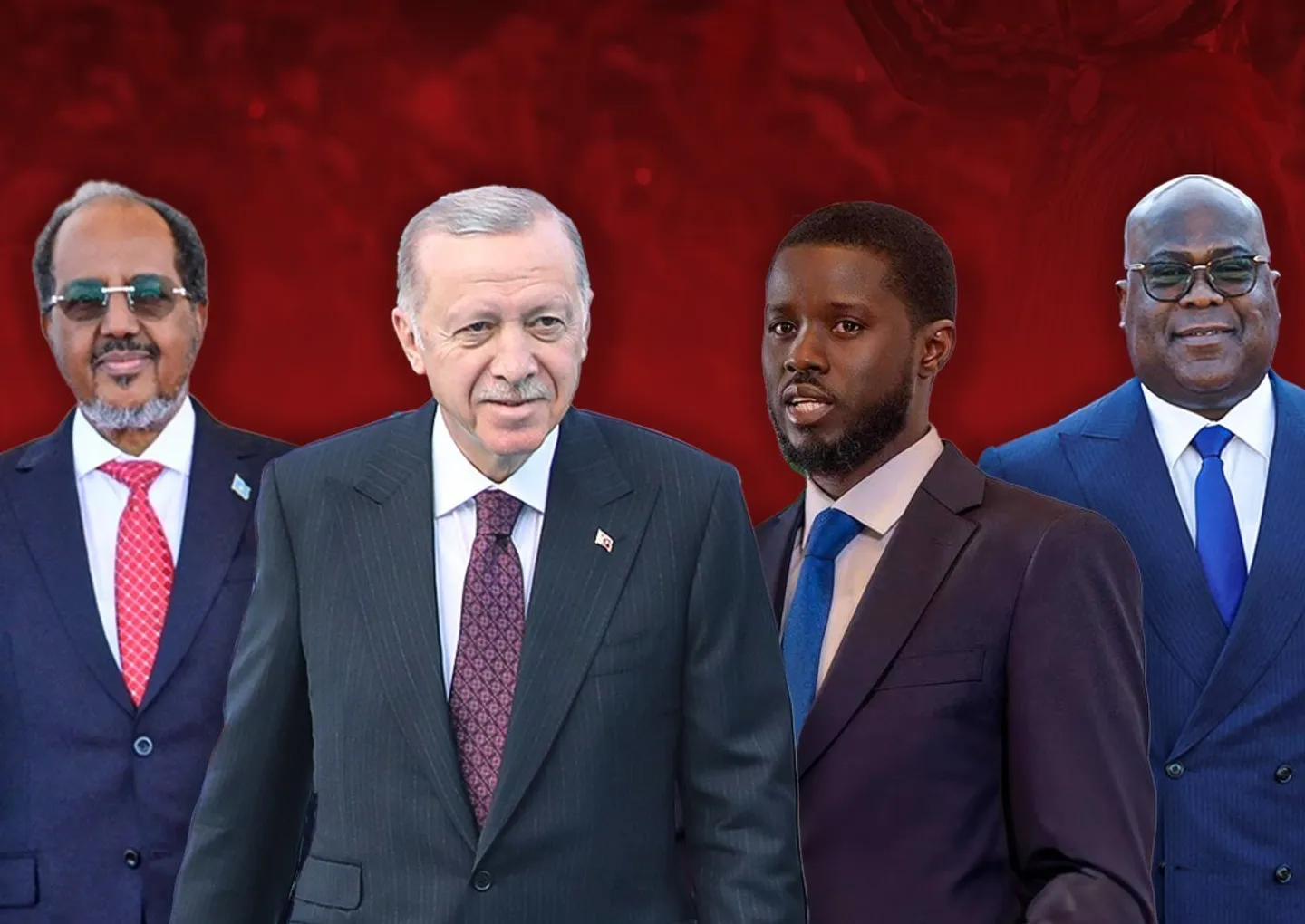
The aftermath of the treacherous coup attempt orchestrated by Fetullah Terrorist Organization (FETO) in Türkiye on 15 July 2016, marked a radical and strategic paradigm shift in Turkish foreign policy toward Africa.
Since that event, Türkiye expanded its continental engagements beyond mere commercial ties, deeply institutionalising relations through political, military, defence industry, and particularly security-oriented counter-terrorism partnerships.
The intelligence sharing and security alliances established to dismantle FETO’s illicit networks across Africa dealt a severe blow to the organisation’s long-standing operations on the continent.
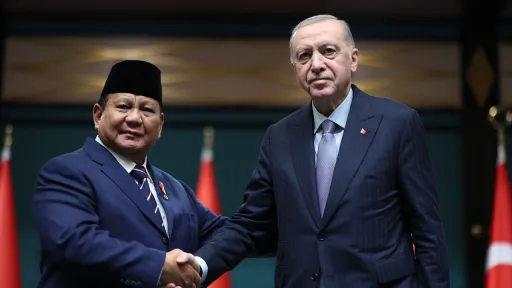
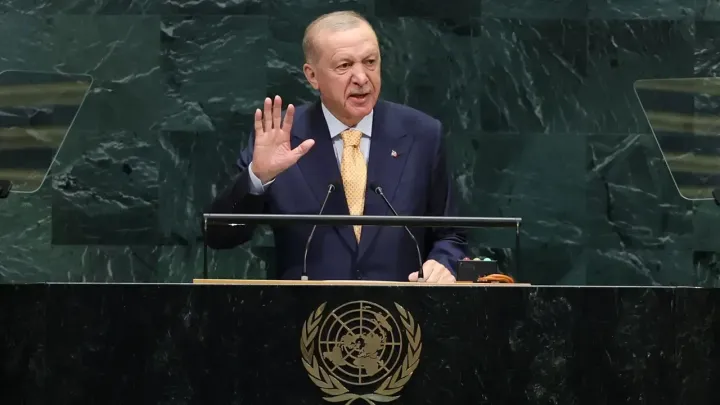
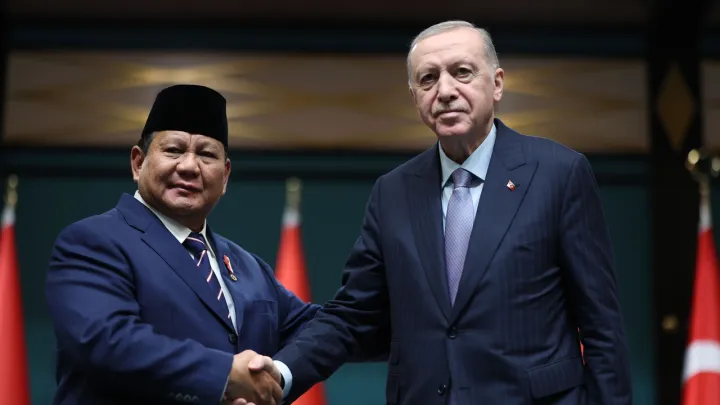
The primary catalyst for this success has been the active leader-to-leader diplomacy spearheaded personally by President Recep Tayyip Erdoğan.
Engaging directly with his African counterparts, President Erdoğan presented concrete evidence demonstrating that FETO poses a sophisticated threat not only to Türkiye but also to the national security, sovereignty, and future of every African nation it infiltrates.

This resolute stance resonated widely across the continent. Consequently, both the Organisation of Islamic Cooperation (OIC) and the African Union (AU) officially designated FETO as a terrorist organisation in 2016.
This decisive step stands as a clear testament to the robust solidarity African countries share with Türkiye.
Dismantling the organisation’s infrastructure
Early in this process, several countries including Somalia, Sudan, Tunisia, and Madagascar swiftly recognised the true nature of the threat and took immediate action.
By shutting down schools, associations, and commercial entities affiliated with the group, these governments transferred the respective assets directly to the Republic of Türkiye.
Conversely, in countries like Senegal and Mauritania, the terrorist organisation had spent decades embedding itself within the local bureaucracy and elite families, conducting covert operations through educational institutions.
Although these deep-rooted networks posed a significant challenge to both local societal structures and Turkish security, they were systematically dismantled through Türkiye's persistent diplomatic engagement and tailored counter-measures.

The role of the Maarif on education
Rather than leaving an educational vacuum by simply shutting down these schools, Türkiye adopted a rational approach by transferring these institutions to the Turkish Maarif Foundation.

This calculated move prevented any disruption to the education of African students while elevating the schools to a modern, secure system aligned with official national curricula.
The transition proved to be a major asset for local communities, as the educational and social fabrics previously exploited by FETO were rapidly restored through the Maarif Foundation.
In this context, the Turkish Maarif Foundation evolved managing seized schools, becoming the trusted face of Türkiye’s public diplomacy in international education.
By implementing a curriculum centered on science, technology, universal human values, and deep respect for local cultures, Turkish Maarif Foundation effectively eradicates the remnants of the group's ideological and manipulative pedagogy.
Operating in full compliance with local laws and sovereign rights, this institutional structure has earned the trust of both African citizens and state officials through high-quality education, qualified teaching staff, and comprehensive scholarship opportunities.
Consequently, Turkish Maarif Foundation’s presence on the continent has served not only as an antidote to malicious activities but has also built a sustainable bridge of hearts based on mutual respect and non-colonial, win-win partnerships.
Regional divergences and challenges
While the overarching campaign against FETO in Africa has yielded highly positive results, the response has not been uniform in terms of speed and resolve across all regions.
The intensity of the crackdown has naturally varied depending on the depth of the network's infiltration and the host countries' specific political alignments
Ultimately, the relentless campaign against FETO's covert networks in Africa has unfolded across three distinct paradigms based on host-nation awareness: countries that recognised the direct threat and acted in immediate alignment with Türkiye those that initially hesitated but eventually transferred the schools; and those where the organisation continues to shield itself behind deep-seated infiltration and legal/political barriers.
Despite isolated pockets of regional resistance, the realisation that FETO operates as a global criminal and terrorist enterprise is gaining ground daily across Africa, and the liquidation process continues with firm resolve.
The solidarity displayed by the continent following the 15 July coup attempt remains a historic milestone, elevating Türkiye-Africa relations to a partnership anchored in mutual trust and a shared vision for security.
The author, Dr. Mayada Kamal Eldeen, is an Associate Professor of Political Science and International Relations, at Tokat Gaziosmanpaşa University, Türkiye.
Disclaimer: The views expressed by the author do not necessarily reflect the opinions, viewpoints and editorial policies of TRT Afrika.