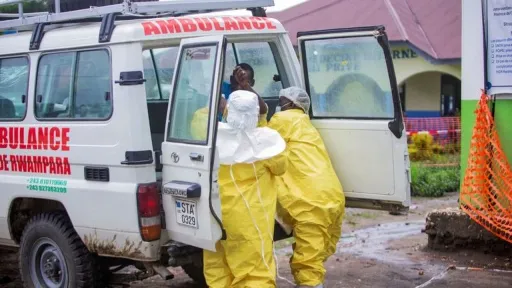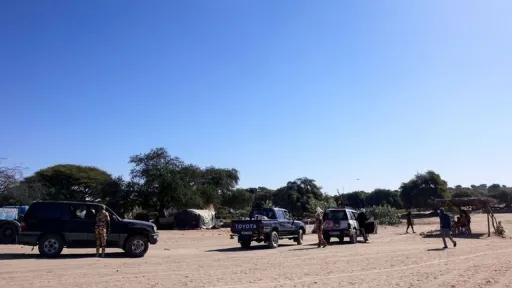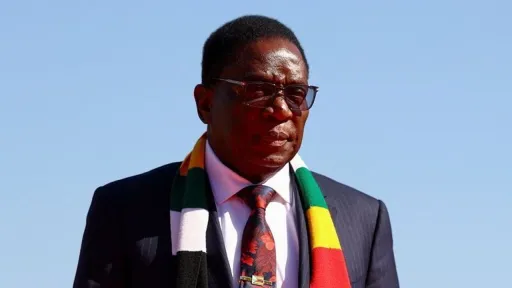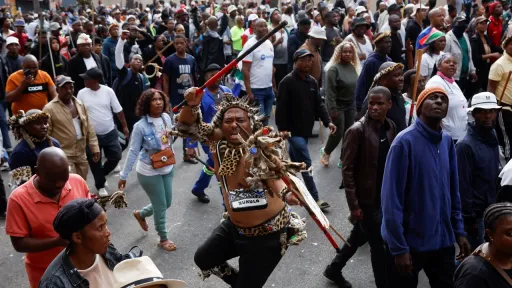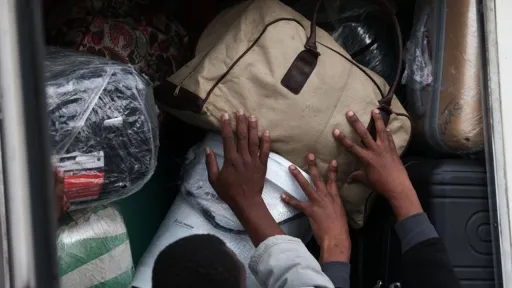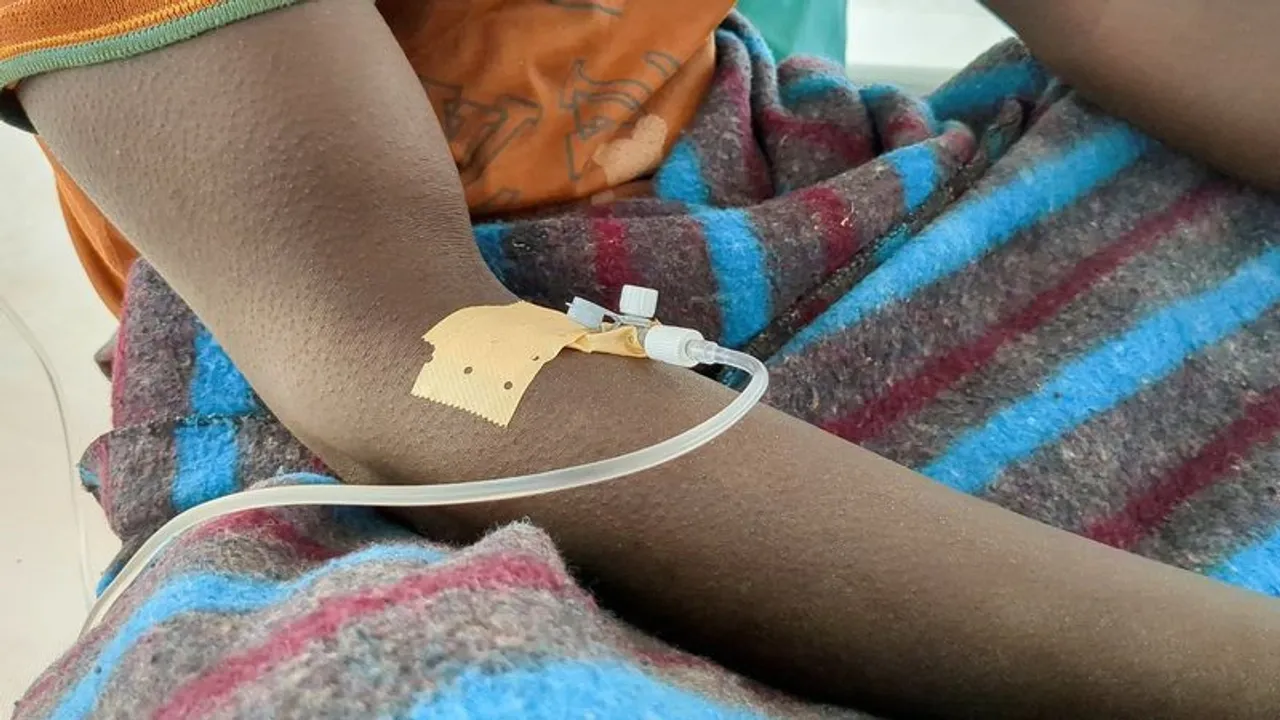
A cholera outbreak in Sudan has killed 120 people, with another 1,102 suspected cases since May in isolated war zones, the World Health Organization said on Wednesday.
More than three years of war between Sudan's army and the paramilitary Rapid Support Forces (RSF) have decimated the country's healthcare system.
This is Sudan's third wave of cholera in as many years, and began only two months after the last outbreak was declared over in March.
Between July 2024 and March 2026, over 124,400 people were infected and 3,500 killed during the last wave, according to government figures.
Nearly 300 suspected cases in North Kordofan
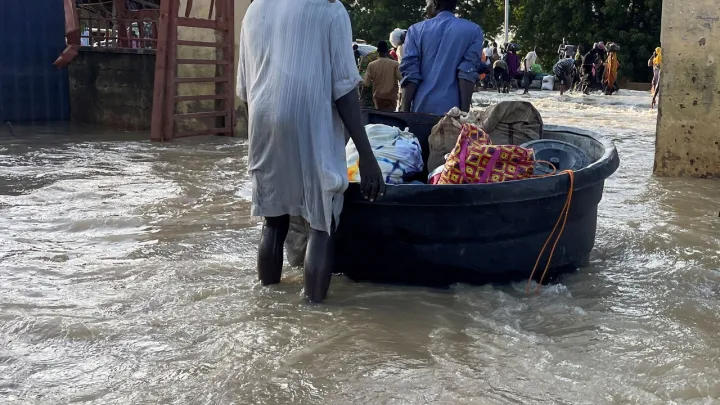
Sudan's rainy season is set to surge in the coming weeks, during which cholera cases balloon as millions lack access to clean water and the rains further impede access.
The Sudanese government declared the latest outbreak this week in West Kordofan state.
The WHO said the outbreak appears to be spreading, following reports of close to 300 suspected cases and three deaths in neighbouring North Kordofan, where the United Nations has warned the RSF is preparing to mount a deadly ground assault on state capital Al Obeid.
Drone strikes on the city's power stations are already "disrupting access to lifesaving drinking water and electricity", UN humanitarian chief Tom Fletcher said on Tuesday, warning of the risk of mass atrocities.
Hospitals affected
Three years into the war, nearly all of the country's hospitals have been forced entirely or partially out of service.
"Forty percent of health facilities are non-functional at all, and the remaining almost 60 percent are only partially functioning, meaning they are providing only a few services, or not enough to patients in the area," Shible Sahbani, WHO's Representative and Head of Mission in Sudan, said.