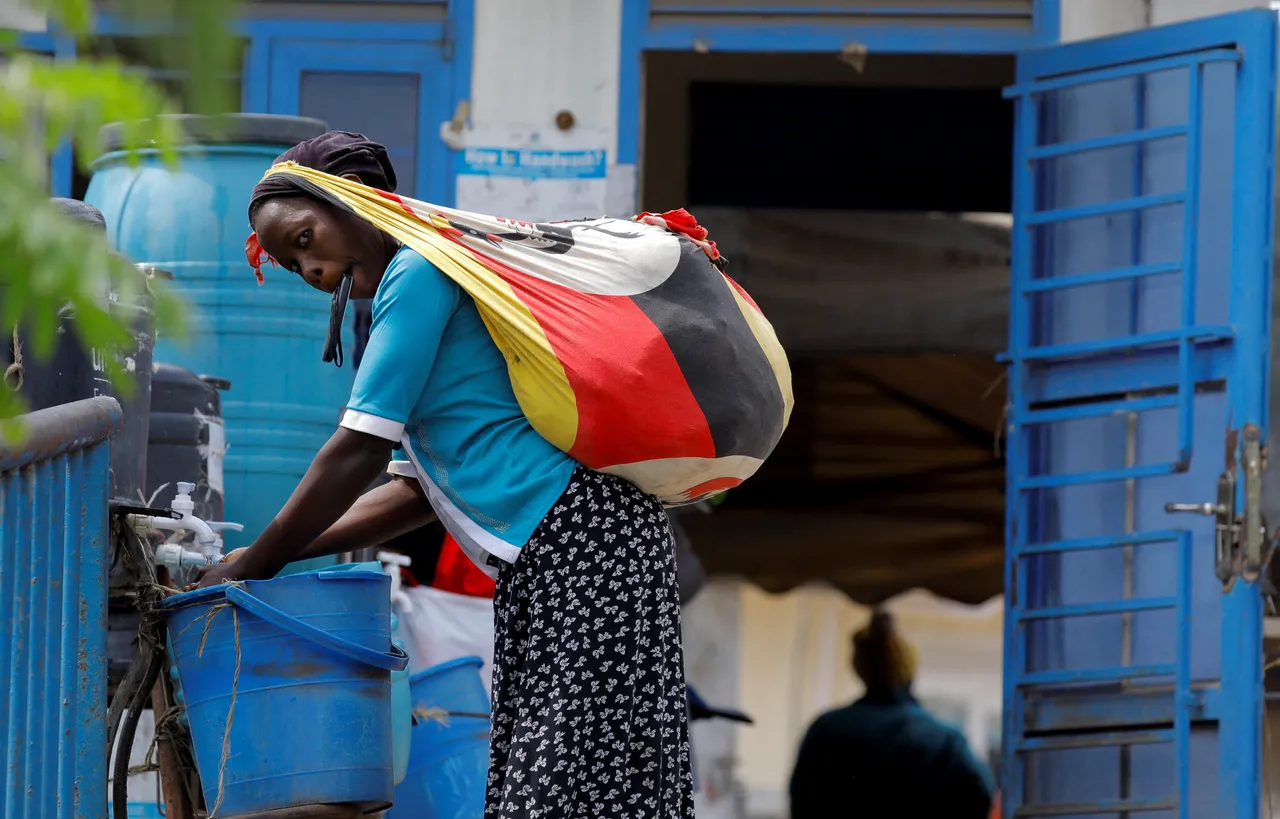
Uganda is a young nation that hosts one of the largest refugee populations in the world. It is Africa’s largest refugee-hosting nation and the third globally, accommodating over 1.9 million refugees, mainly from South Sudan, the Democratic Republic of Congo (DRC) and Sudan.
Uganda’s example stands as a powerful testament to the enduring strength of African solidarity. In a global environment where migration is often framed through fear and restriction, Uganda has chosen a path rooted in dignity, responsibility, and shared humanity.
Its refugee policy demonstrates that compassion and national interest can coexist, offering lessons far beyond the continent.
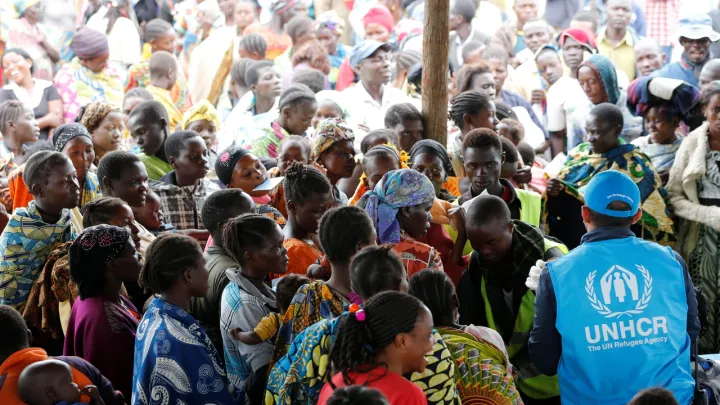
The country’s approach has earned recognition from the UNHCR, which consistently describes Uganda as one of the most progressive refugee-hosting nations.
Rather than confining displaced people to remote camps, Uganda grants refugees freedom of movement, access to public services, and land for cultivation.
This model promotes self-reliance and participation, enabling people fleeing conflict in neighbouring countries to rebuild their lives while contributing to host communities.
Shared responsibility
Evidence from global research supports the practical outcomes of this policy. Studies associated with the University of Oxford Refugee Studies Centre show that Uganda’s settlement system allows refugees to engage productively in agriculture and trade, generating economic activity that benefits surrounding regions.
Reporting by Reuters has also documented how refugee entrepreneurship and farming have stimulated markets in northern Uganda. These findings challenge a persistent narrative in global migration debates that refugees inevitably burden host societies. In Uganda’s experience, inclusion has often produced resilience.
The philosophical roots of Uganda’s refugee policy extend beyond contemporary governance. According to Joseph Ochieno, a writer and commentator on African affairs, pundit on global governance, and Pan-Africanist, the country’s approach reflects a longstanding continental vision of unity beyond colonial borders.

He traces its origins to the late 1950s, when independence movements emphasised shared responsibility among African peoples. Early leaders such as Milton Obote championed the idea that displaced Africans should be received not as outsiders but as members of a broader human community.
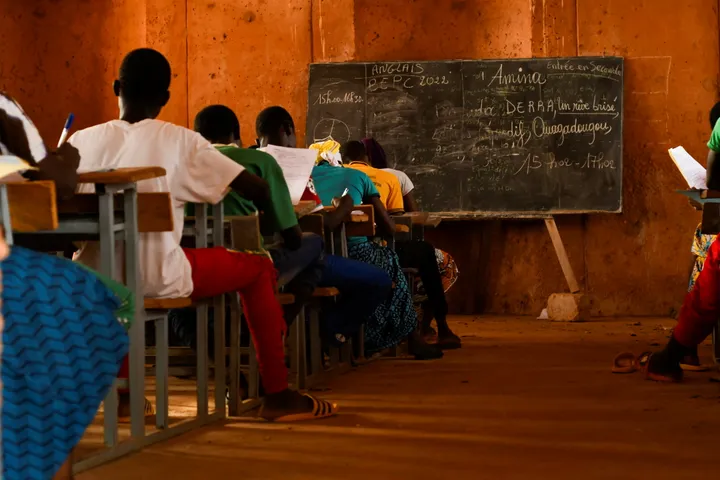
Ochieno notes that the establishment of early settlements such as Nakivale institutionalised this philosophy by allowing refugees to work, farm, pursue education, and integrate into society.





He characterises Uganda’s refugee framework as responsive, practical, and progressively exemplary within the African context. In his assessment, the policy’s continuity across different political eras reflects both moral conviction and pragmatic governance.
Beyond humanitarian protection, Ochieno emphasises the broader national dividends of Uganda’s openness. The policy has strengthened the country’s global reputation, expanded local markets, and fostered cultural exchange between refugees and host communities.
By transforming displacement into participation, Uganda has demonstrated that inclusive governance can align ethical responsibility with development.
A complementary perspective is offered by Ibrahim B. Anoba, African Liberty Editor-in-Chief, who highlights the developmental implications of refugee inclusion.
Vulnerable to productive
He argues that when displaced people are granted agency (access to land, employment, and healthcare), they transition more rapidly from vulnerability to productivity. Uganda’s approach illustrates that refugees, given the opportunity to stabilise their lives, can become contributors to national economies rather than
Anoba emphasises that this model carries lessons for policymakers globally. In many regions, migration governance prioritises deterrence and containment. Uganda offers a contrasting framework grounded in participation and coexistence.
Inclusion, she suggests, reduces long-term humanitarian costs while strengthening social cohesion. By enabling refugees to rebuild their lives, the country demonstrates that protection and pragmatism can operate together in public policy.
At a deeper level, Uganda’s refugee policy reflects an enduring African tradition of hospitality rooted in communal responsibility. Across the continent’s history, communities extended protection to those displaced by conflict or hardship, recognising shared humanity over territorial division.
Uganda’s contemporary framework translates this cultural principle into institutional practice, affirming that solidarity can function not only as a moral value but also as a governance strategy.
Of course, sustaining such a model requires international partnership and support. Resource pressures and funding gaps remain realities for a developing country hosting large displaced populations. Yet these challenges do not diminish the significance of
Uganda’s commitment. Rather, they underscore the need for equitable global cooperation in addressing displacement.
Ultimately, Uganda’s open-door approach represents more than a refugee policy; it is a vision of coexistence. By welcoming those in need and enabling them to rebuild their lives, Uganda affirms a timeless truth: nations are strengthened not by exclusion, but by the courage to include.
The author, Hafsa Abdiwahab Sheikh, is a freelance journalist and researcher focusing on East African politics