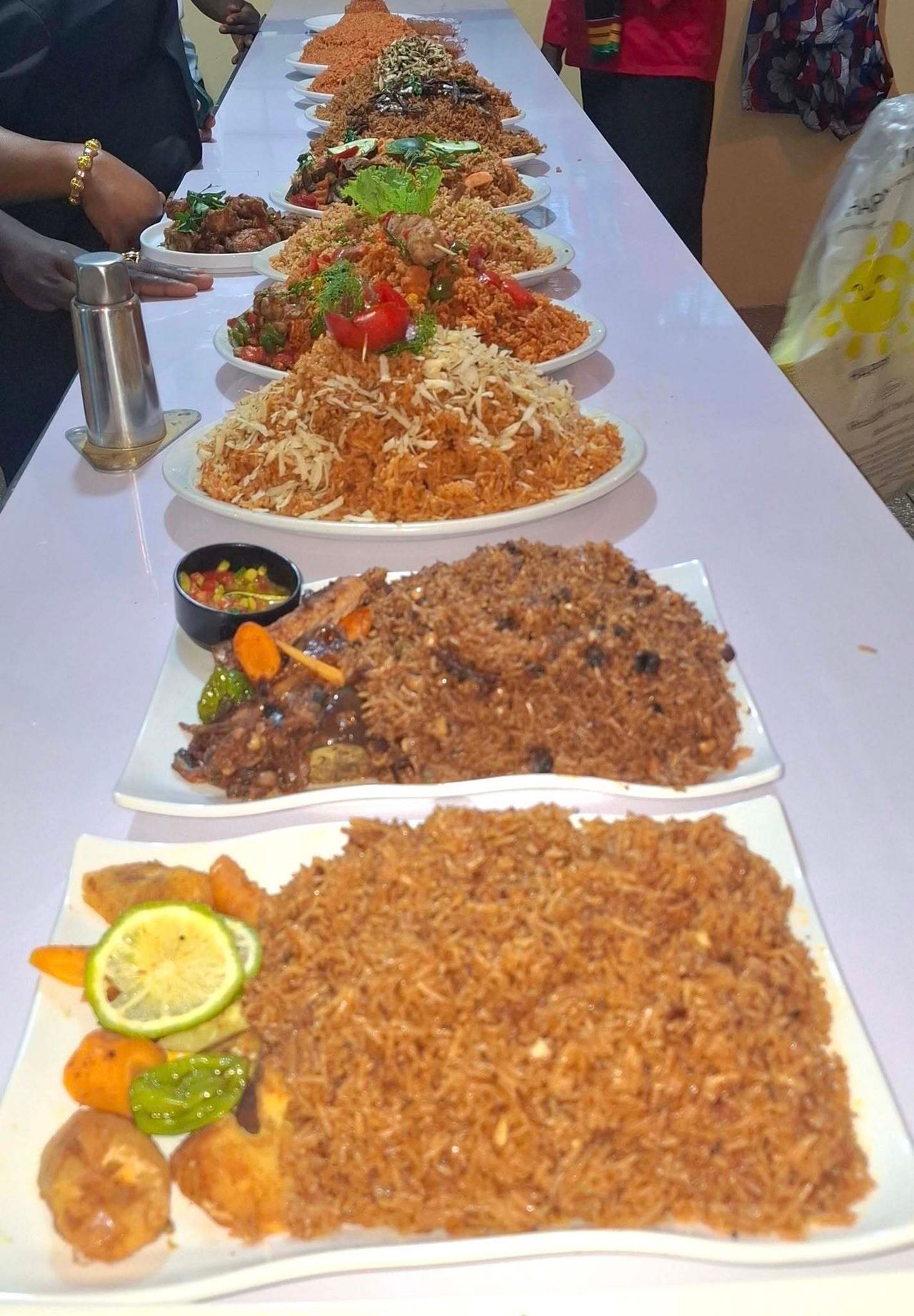
Rice is at the heart of Senegalese cuisine, particularly thieb, the country's beloved rice-based national dish. Yet much of the rice served in Senegalese kitchens is imported.
Senegal imports between 70% and 80% of the rice it consumes each year, according to official figures, with much of it coming from India, Pakistan, Thailand and China. In the first quarter of 2025 alone, the cost of rice imports stood at around 200 billion CFA francs.
That dependence is placing a heavy burden on the economy and has prompted authorities and researchers to step up efforts to expand domestic production — and make Senegalese rice more appealing to consumers.
For a country where thieb is deeply woven into the national culinary identity, there is an obvious question: why isn't more of the rice on the plate grown at home?
Now, farmers, researchers and the government are working to close that gap.
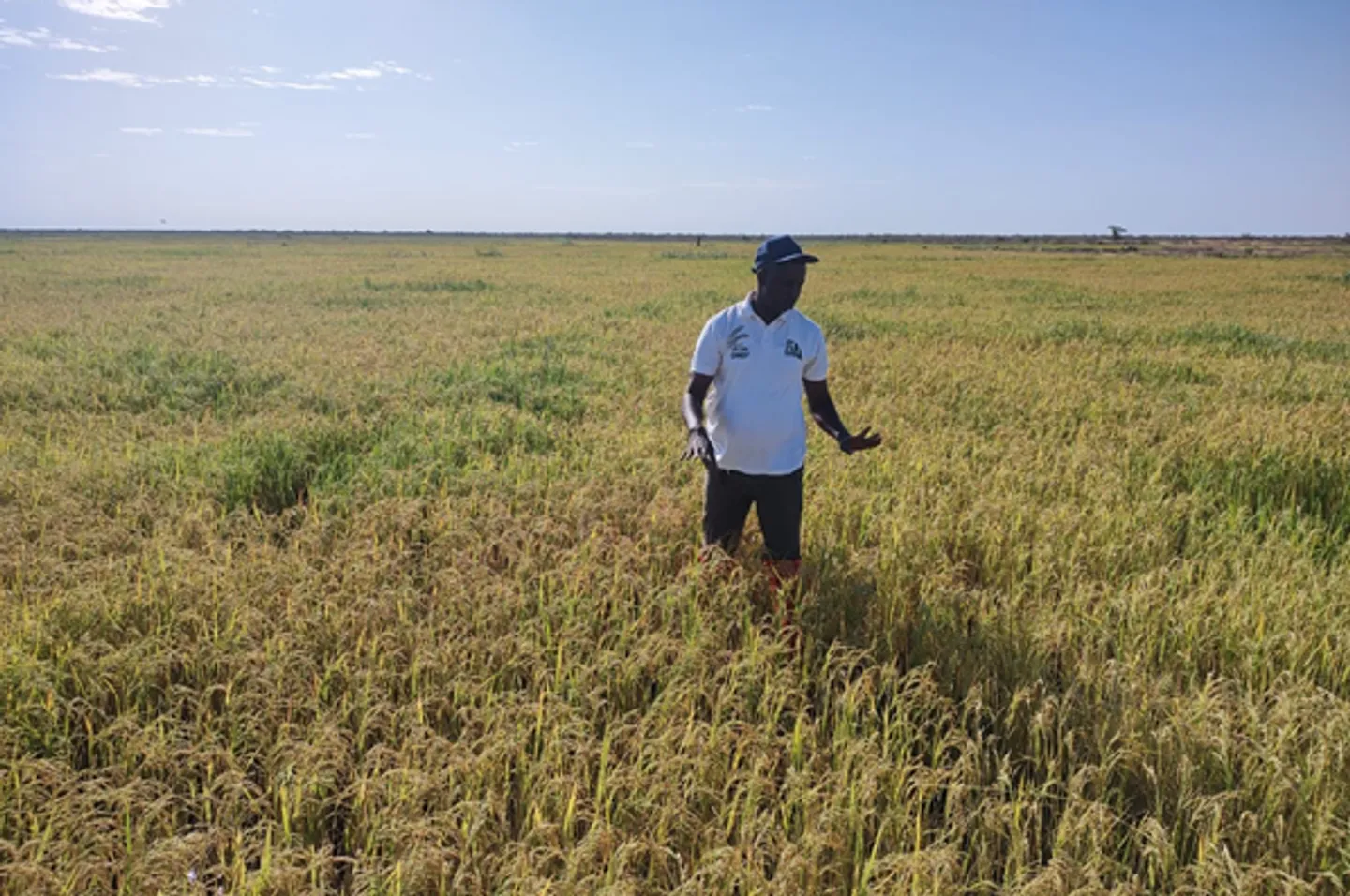
That dependence has prompted a push to expand domestic rice production and reduce the country's reliance on imports.
The drive has gained momentum since the early 2000s. Regions including Saint-Louis, Sédhiou, Kolda, Ziguinchor, Matam, Kédougou and Tambacounda have seen growing numbers of rice farmers, backed by government programmes and technical and financial partners.
It has been, in many ways, a pursuit of “white gold”.
But producing more rice is only part of the challenge.
For Senegalese rice to compete with imported varieties, it also has to win over consumers — and that means addressing questions of taste, texture, appearance and ease of cooking.
A question of taste
Coumba Sall, a restaurant owner in Dakar's Medina neighbourhood, has strong views on the subject.
With almost 15 years of experience in the restaurant business, she says she knows what her customers want — and, for many of them, that means imported rice.
“When I prepare imported rice, my dishes sell out quickly and I get positive feedback. On the other hand, when I happen to prepare rice produced in Senegal, my dishes aren’t as popular,” she says, as some of her customers nod in agreement while eating chicken and rice, or thiebou guinar.
Sall says local rice also presents practical challenges for restaurant owners.
She says it can take three times as long to clean properly, takes longer to cook, requires more water and demands greater culinary skill to bring out its flavour.
To test whether such concerns extend beyond the restaurant trade, we spoke to other consumers, including Patrick Ndong, a Cameroonian living in Dakar.
“Without wanting to upset local rice farmers, I have to be honest. Local rice gave me severe constipation. Maybe I just didn’t know how to prepare it, but I haven’t tried it again since,” he says.
Such perceptions are not entirely dismissed by Senegal's agricultural researchers.
In 2026, the Senegalese Institute for Agricultural Research, or ISRA, acknowledged that locally produced rice still faces quality challenges.
In a report titled Choosing Rice in Senegal: When Appearance, Taste, and Origin Matter More Than Price, researchers found that imported fragrant rice was the preferred choice among 61% of consumers surveyed. Its popularity was linked to its appearance, taste, ability to retain its texture after cooking and ease of preparation.
The local varieties Sahel 177 and Sahel 108 followed, with reported preferences of 25% and 24% respectively. They were valued for their local origin and taste, but were considered less convenient to cook, sometimes drier after cooking and occasionally inconsistent in quality, particularly in cleanliness and husking.
The findings present ISRA with a challenge — but also an opportunity.






As one of the country's key institutions supporting rice production, the institute is working to address precisely the shortcomings identified by its research.
Researching better rice
Dr Omar Ndaw Faye, a PhD holder in agronomy and a member of ISRA, is closely involved in efforts to improve both the quantity and quality of rice produced in Senegal.
ISRA's strategy is built around six main areas: selecting varieties suited to different agroecological zones and consumer preferences; preserving and producing high-quality seed; producing pre-basic seed according to demand; developing sustainable farming technologies adapted to climate change; training agricultural extension workers and farmers in best practices; and supporting students involved in research.
Research is central to the effort.
Across the world, scientific research has helped develop rice varieties that are more resistant to disease, better suited to particular soils and climates and more attractive to consumers.
For Senegal, researchers are working on sustainable farming technologies covering fertiliser management, water use, pest and weed control, as well as greater mechanisation.
“Currently, public health is integrated into all approaches to developing new technologies; we have projects under the ‘One Health’ framework,” says Dr Faye.
“We have developed varieties that require less oil and water during cooking and are highly digestible. Environmental risks are thoroughly studied before new agricultural practices are proposed.”
Researchers are also developing aromatic rice varieties, which are highly prized by consumers but require certified seed.
These varieties present another challenge: their quality and aroma can make them particularly attractive to birds, forcing farmers to find ways of protecting their crops.
Organic-mineral fertilisation of rice fields is another area of focus, with the aim of improving soil fertility and making better use of arable land.
But even this approach faces constraints. Producing enough high-quality organic fertiliser remains difficult in Senegal.

More rice, better rice
Over the years, the government has funded numerous projects aimed at increasing domestic rice production. Their success depends on coordinating land, labour, financing, agricultural science and infrastructure.
Significant resources have gone into subsidising seeds, agricultural inputs, equipment and machinery, as well as rehabilitating irrigation infrastructure.
But progress has been uneven.
“Due to the impact of climate change, the profitability of farming systems, and poor regulation of imports, rice production has stagnated or even declined, covering only about 32% of the total demand for white rice from production and imports between 2009 and 2024,” Dr Faye says.
The scale of the challenge is significant.
With a population of at least 18 million, Senegal needs a reliable and affordable supply of rice — not only in sufficient quantities, but of a quality that consumers are willing to choose.
That is why the country's rice challenge is about more than simply producing enough grain.
For Senegal, the ultimate test will be whether locally grown rice can move from the farm to the marketplace and, ultimately, onto the plates of consumers who have long preferred imported varieties.
If the efforts under way succeed, the rewards could extend beyond food security. Increased domestic production could create jobs, generate wealth and eventually open opportunities for exports — helping Senegal reduce its dependence on imported rice and put more of its own grain at the heart of its iconic cuisine.