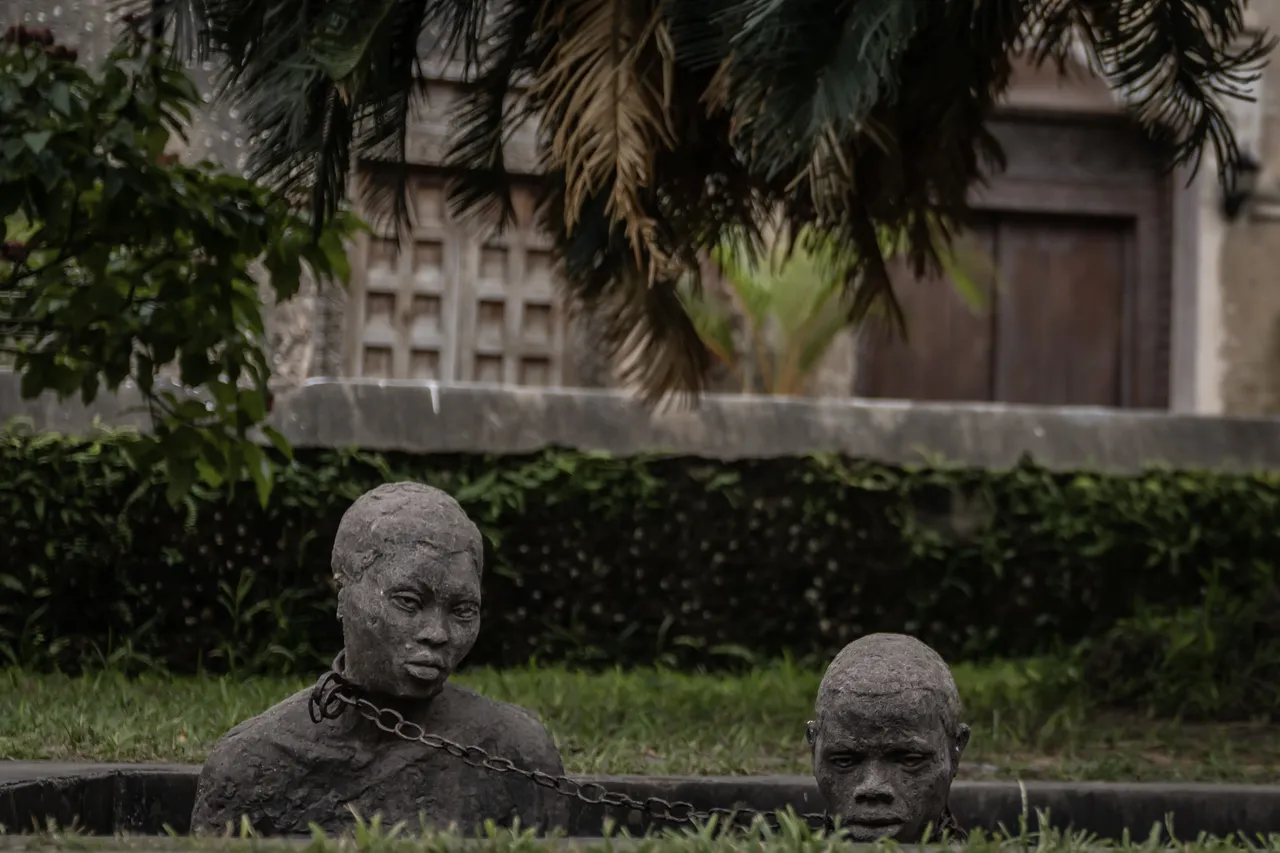
The African Union welcomed a landmark United Nations resolution declaring the transatlantic slave trade and the enslavement of Africans as the “gravest crime against humanity,” describing it as a major step toward global recognition of historical injustice.
African Union Commission Chairperson Mahmoud Ali Youssouf, in a statement, said the adoption of resolution A/80/L.48 marked a turning point in the long-standing push for acknowledgment of slavery’s enduring legacy.
“This historic decision marks an important step toward truth, justice, and healing, and reinforces the urgent need to address the enduring legacy of slavery,” the Chairperson said.
It added that it continues to push for broader global acknowledgment and accountability while reiterating its call for “comprehensive acknowledgment of the historical and contemporary impacts of slavery, including the pursuit of reparative justice.”
Centuries of crime
West and central Africa were devastated by the transatlantic slave trade, which from the 16th to 19th century saw millions of men, women and children shipped to the Americas to work in brutal -- and often deadly -- conditions.
In many of those same countries, black people continue to face discrimination and poverty today.
The resolution, led by Ghana, was adopted by the UN General Assembly with 123 votes in favour. It formally recognises the scale, brutality and long-term consequences of the transatlantic slave trade, including ongoing racial discrimination and inequality.
The AU Commission praised Ghana’s leadership, noting that the move “reflects Africa’s longstanding and principled call for the full recognition of the slave trade and its enduring consequences.”




“The African Union remains committed to working with the United Nations, Member States, and partners to advance historical justice and ensure that such crimes are neither forgotten nor repeated.”
Global reactions
Despite its symbolic significance, the resolution exposed divisions within the international community.
The United States, Israel and Argentina voted against it, while 52 countries abstained. Critics, including France, argued that describing the transatlantic slave trade as the “gravest” crime "risks pitting historical tragedies against each other".
On the streets of Accra, however, the mood was celebratory, with many viewing the vote as long-overdue recognition.
“It’s not just a historic moment for us as a country, but it also validates the suffering of our ancestors and opens the door for justice,” Ghanaian student Abigail Selikem Teye tells AFP.
In neighbouring Benin, reactions also focused on what should come next. “This vote allows us to name things without fear of reprisals. The next step will, I hope, be an uninhibited call for reparations,” said writer Ousmane Aledji.
Others questioned whether recognition alone would lead to meaningful change. “Recognition is good, but concrete actions should follow,” said 42-year-old Beninese entrepreneur Larissa Adjivon.