Namibia has recorded its first outbreak of foot-and-mouth disease in its primary commercial livestock zone in 60 years, the agriculture ministry said, prompting a nationwide ban on livestock movement and meat exports.
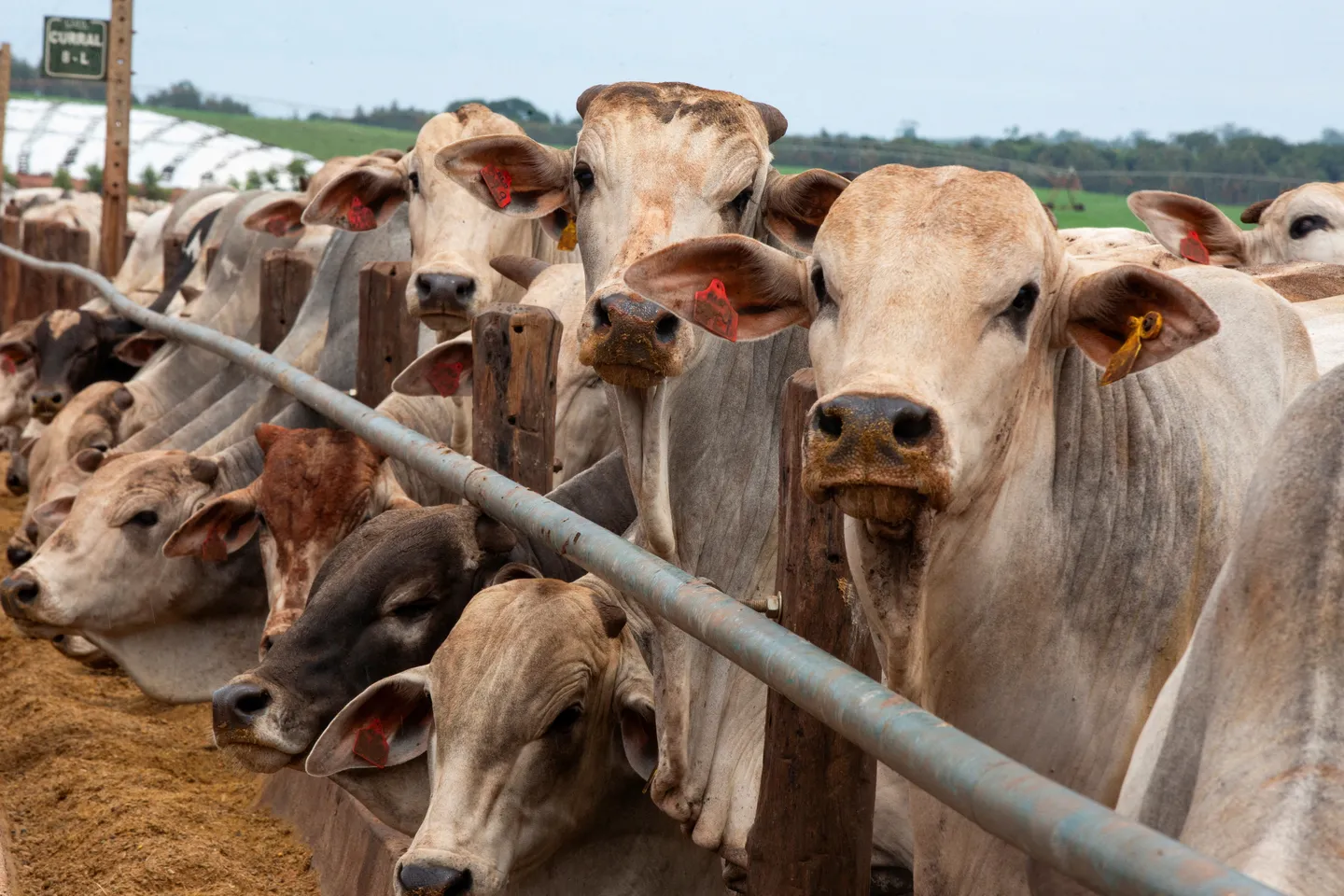
Foot-and-mouth disease, also known as FMD, is a highly contagious viral infection that is not dangerous to humans but that affects cattle and other cloven-hoofed animals, including sheep and goats.
Namibia is now the eighth country in southern Africa to be hit by FMD this year following Botswana, Eswatini, Lesotho, Mozambique, South Africa, Zambia and Zimbabwe.
The virus breached Namibia's veterinary cordon fence -- a barrier separating the endemic northern region from the south -- and spread into an area that had remained officially FMD-free since 1964, the ministry said.
Stop order
The government had ordered an immediate halt to all livestock slaughtering nationwide, covering commercial abattoirs, local markets and private gatherings.
"This is the first time we have an outbreak since independence and it will have a detrimental impact on the industry," agriculture ministry spokesman Romeo Muyunda told AFP late Thursday. Namibia became independent from South Africa in 1990.
In 2025 it exported more than 13,381 tonnes of beef, more than 90 percent to Europe, according to the livestock producers board, Nammic.






State-owned processor Meatco said it was assessing the status of beef consignment already exported or were in transit.
No speculations
"At this stage, Meatco does not wish to speculate on the treatment of individual consignments or whether any product may need to be returned," it said in a statement Friday.
South African agricultural economist Kobus Laubscher said Friday the key to managing the outbreak will be to reinforce state oversight with private sector expertise and farmer cooperation.
"The state retains responsibility for regulation, standards, oversight and international confidence. The private sector brings expertise, technology, logistics and other capabilities," he told AFP.
FMD causes fever and blisters near the hoof and in the mouth that prevent animals from feeding and sometimes leads to death.
.