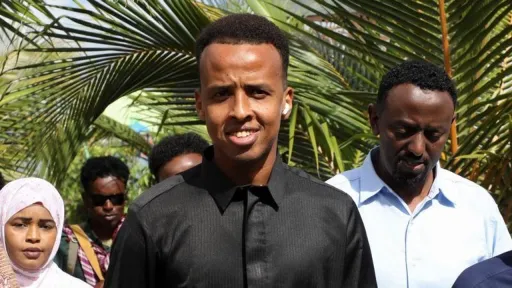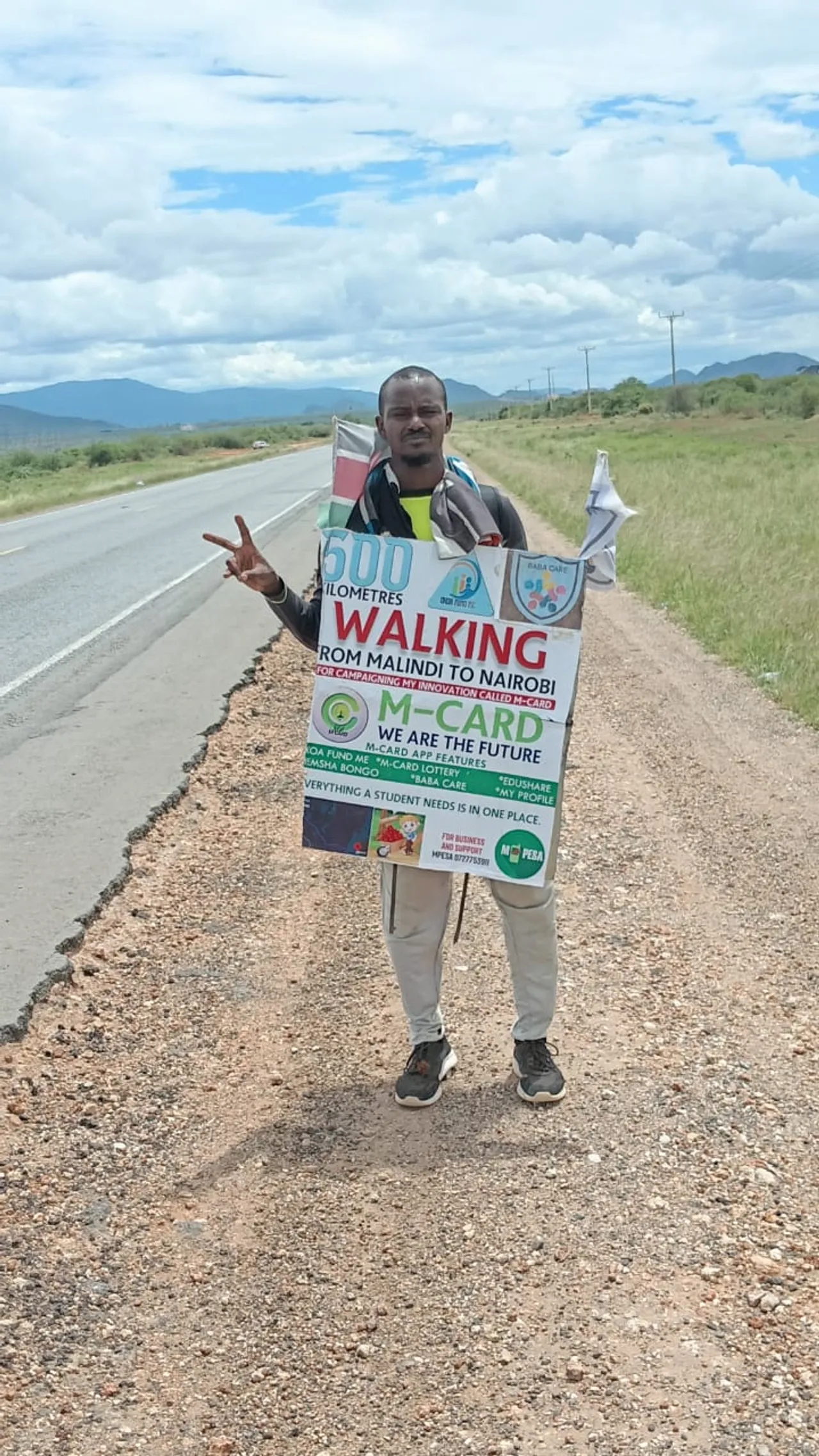
Step by step, with blistered feet and a bold vision, young Kenyan Baraka Chula is walking more than 500 kilometres across the country determined to a single idea he believes could change lives.
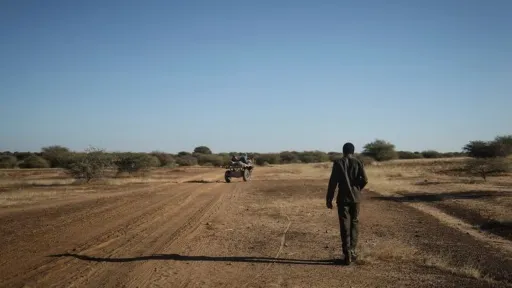
Now on day 17 of his journey, he has already covered more than 300 kilometres on foot, traversing through the counties of Kilifi, Mombasa, Kwale, Taita Taveta and now in Makueni.
He set off from Kilifi on April 10, 2026 and is heading towards the capital, Nairobi, campaigning and mobilising support for an idea he has nurtured for more than three years.
He seeks to help students access essential services more easily and efficiently through his yet-to-be-developed digital app to be known as M-Card. His goal is to raise Ksh10 million (around $75,000) to build a working prototype of the app, that could act as a bridge between parents, teachers and students.
“I just want to show how this innovation is going to streamline our education system with the support needed and every child can access education and fulfil their dreams.”
M-Card will be a mobile-based digital student financial card designed to help students manage and use money safely without carrying cash. It functions as a smart wallet, providing secure financial and health services to students.
A recent Kenyan survey by the Chalan Foundation’s Education and Life Skills Development Programme found that 58% of school absenteeism across 10 Kenyan counties is linked to a lack of school fees. The findings also show that many learners still have strong aspirations, something Chula hopes his innovation will support.
But this journey began long before he took his first step. Growing up in a community marked by high primary school dropout rates, early marriages and crime, Chula says he witnessed first-hand the barriers that prevent many children from continuing their education.
“I’m a class eight dropout. It hurt me a lot. I had a dream of becoming a doctor,” he says.
He completed primary school in 2015 with average grades, but financial constraints prevented him from continuing his education. Despite this setback, he held on to a vision that he says came to him unexpectedly.
“This innovation came to me in a dream. I woke up and jotted it down, but it was still sketchy,” he recalls.
In early April, he decided the idea had matured enough to pursue seriously. But repeated attempts to reach key stakeholders and decision-makers were unsuccessful.
“I had to do something different to be heard,” he says.
Earlier this month, he lost his job as a chef. Left with just Ksh5,600 (about $40), he decided to take a risk.
“That was the turning point. I chose to walk. That was the moment I decided to pursue this dream fully,” he says.
Chula began his journey carrying a small trolley with cooking utensils, hoping to prepare his own meals along the way. But the plan quickly proved impractical.
“I thought I would cook on the road, but I ended up giving everything away,” he says with a smile.





Since then, he has relied largely on the goodwill of strangers.
According to Chula the journey has been physically and emotionally demanding.
On the first day, he nearly gave up after failing to attract any support.
“If I die on the road because I can’t afford water, then so be it. But I must achieve this dream,” he says.
At first, he faced ridicule. Some people dismissed him as mentally unstable or accused him of being under the influence of drugs. Even members of his own family doubted him.
Still, he continues.
“I cried at some point, asking myself if I would succeed because of the negative comments and lack of support,” he says.
But after several days, attitudes began to shift. Encouragement replaced criticism, and strangers started offering help. People cheered him on the way and he used the chance to tell people about his innovation.
‘‘I have received calls from top officials already that I could not access earlier,’’ he says.
Despite the challenges, his goal remains clear.
With over 48.7 million active smartphone users in Kenya, Chula aims to target all students to benefit from his innovation.
Chula insists its purpose is clear to reduce barriers for students who risk being left behind.
As he heads towards the capital Nairobi, where he hopes to meet and attract the attention of policymakers and investors, his hopes are high that he will achieve his dream.
Even if no meetings materialise, he says he will keep going.
“I will find another way,” he says. “This doesn’t end here.”
Chula is expected to complete the journey within the next 10 days.