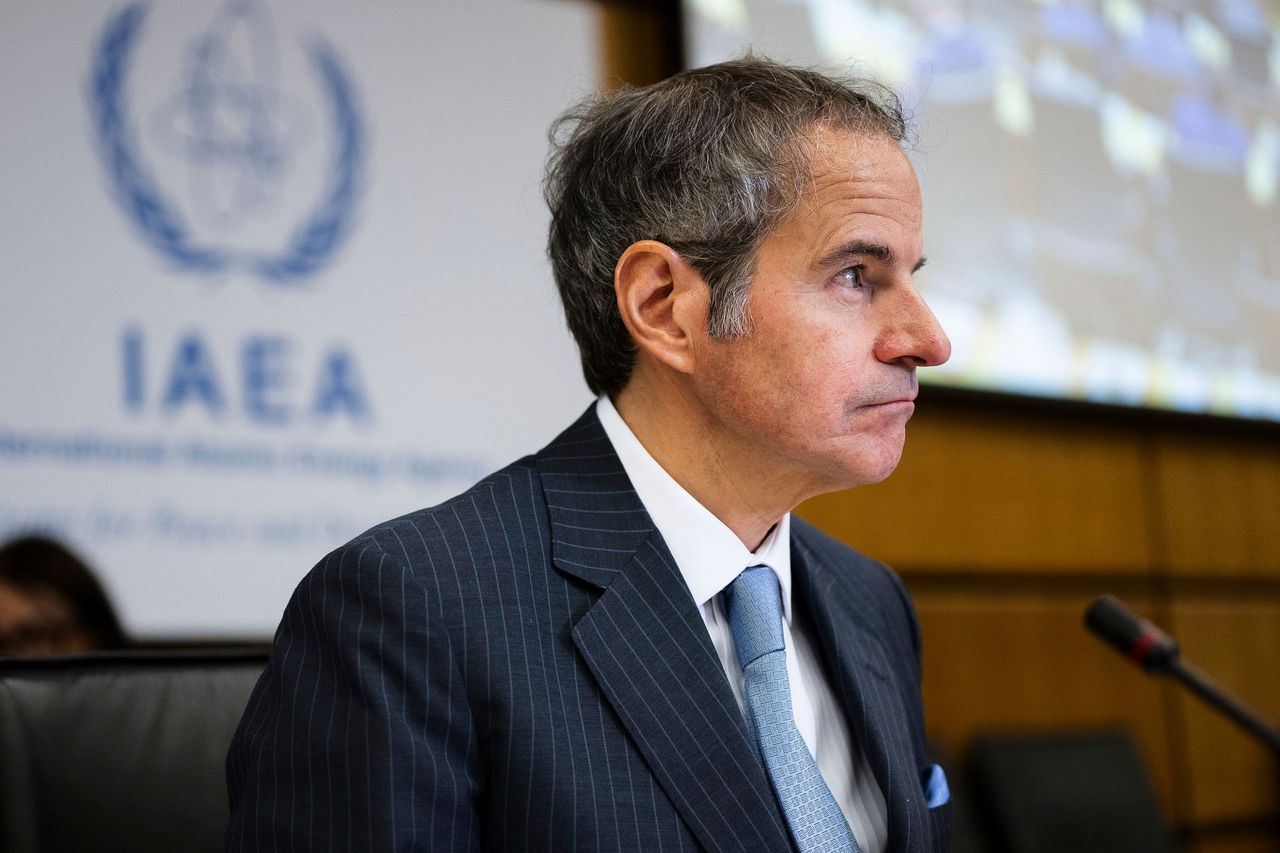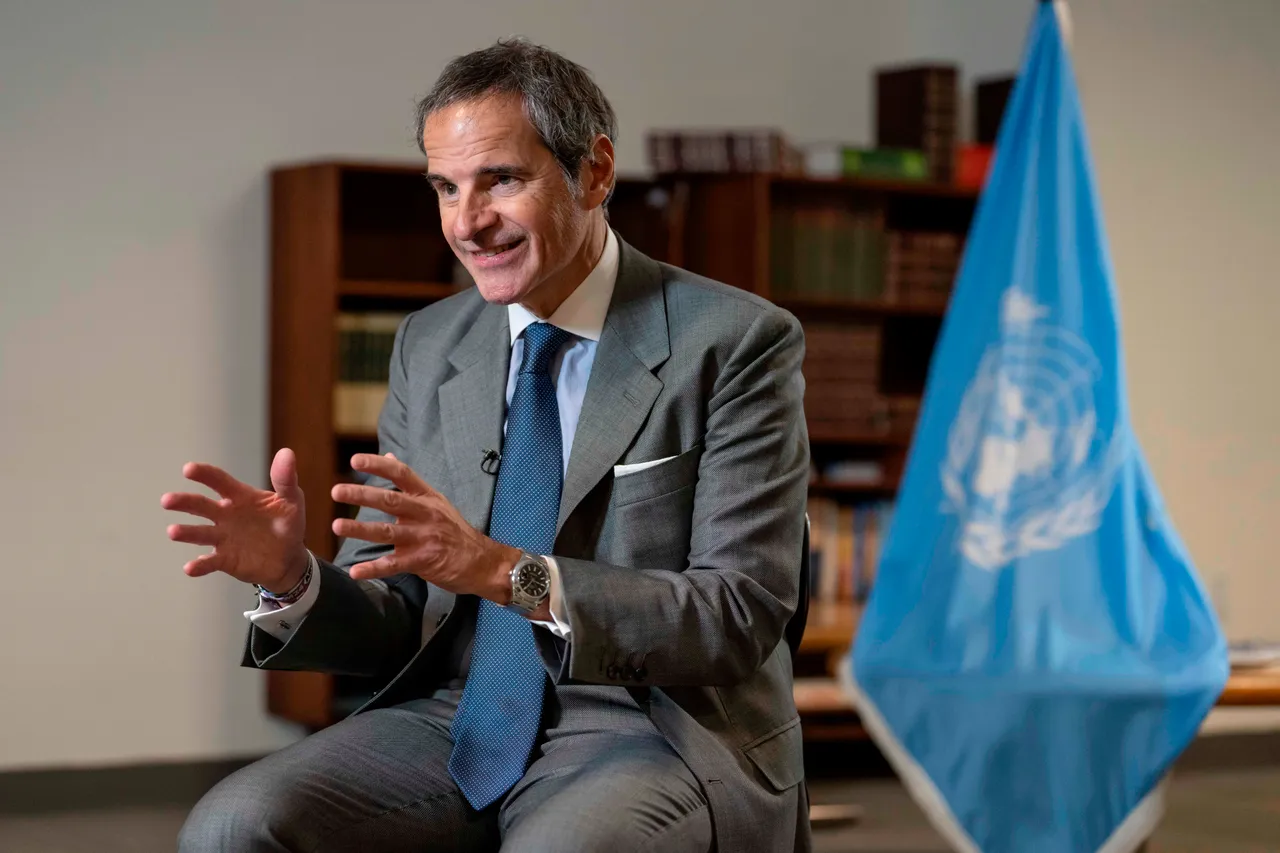
International Atomic Energy Agency (IAEA) Director General Rafael Mariano Grossi on Wednesday said that nuclear inspections in Iran's enrichment sites will proceed despite Tehran's objections, according to Euronews.
At a news conference at Japan’s Fukushima Daiichi nuclear power plant, Grossi pointed to the memorandum of understanding signed between the US and Iran and rejected Iran’s denials that it had agreed to nuclear inspections.
The accord "says explicitly that the nuclear activities that are going to be carried out with regards to the nuclear material facilities will be supervised by the IAEA — in all letters," Grossi told reporters.
"Obviously, to do that, we will have to inspect. Whether this happens the day after tomorrow or in one week or in 10 days, it's important, but not essential. This is going to happen," he further said.
‘At an appropriate time’
US President Donald Trump on Tuesday insisted that Iran will allow nuclear inspectors into the country despite Tehran’s denials, saying the inspectors will be on the ground "at an appropriate time."
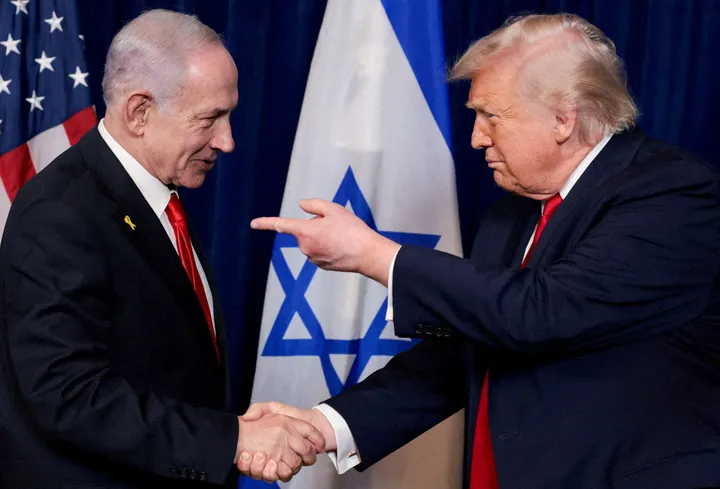

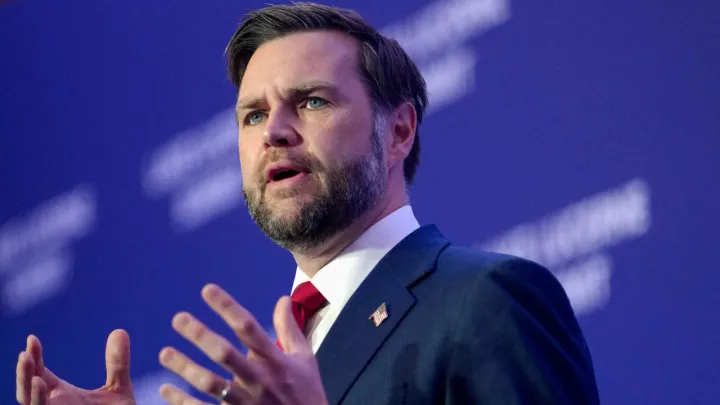



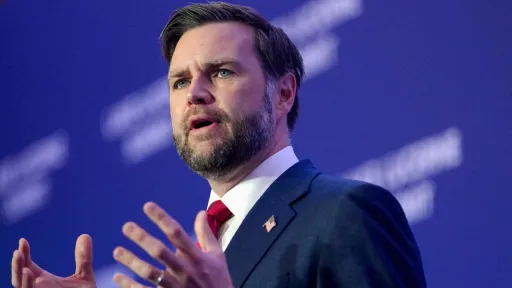
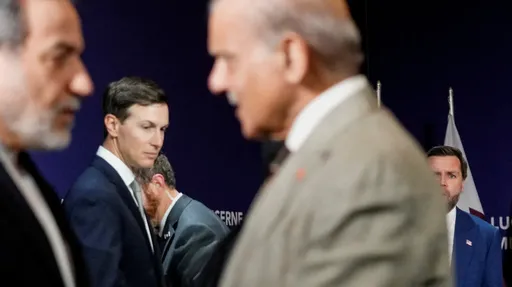
Speaking to reporters, Trump dismissed Iranian claims that there are no scheduled visits for the IAEA inspectors despite an announcement from US Vice President JD Vance that Iran has agreed to allow nuclear inspectors back into the country.
The US and Iran remotely signed a memorandum of understanding last week, launching a 60-day negotiating window to resolve disputes, including the fate of Iran's enriched uranium stockpile, its nuclear programme, and other unresolved issues.
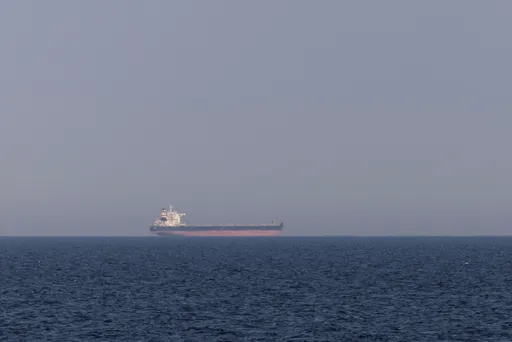
The 14-point document calls for an immediate and permanent end to military operations on all fronts, including Lebanon, the removal of the naval blockade on Iran, and safe passage for commercial vessels through the Strait of Hormuz.
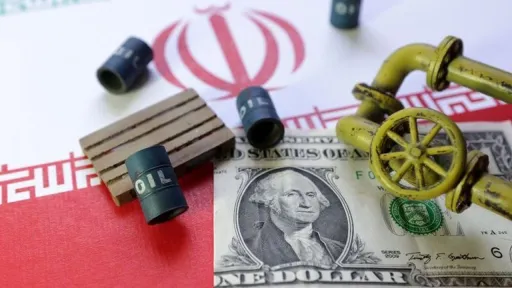
It also includes a reconstruction and economic development plan for Iran valued at a minimum of $300 billion, oil export waivers, the release of Iran's frozen assets, and a reaffirmation by Tehran that it will not develop nuclear weapons.