 Pauline Odhiambo
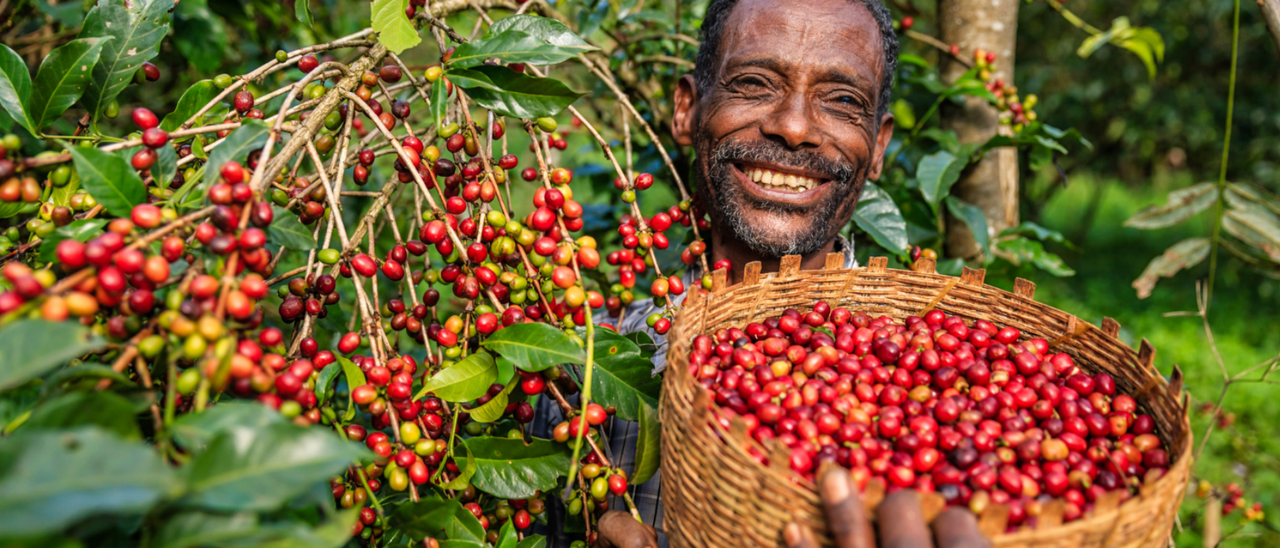
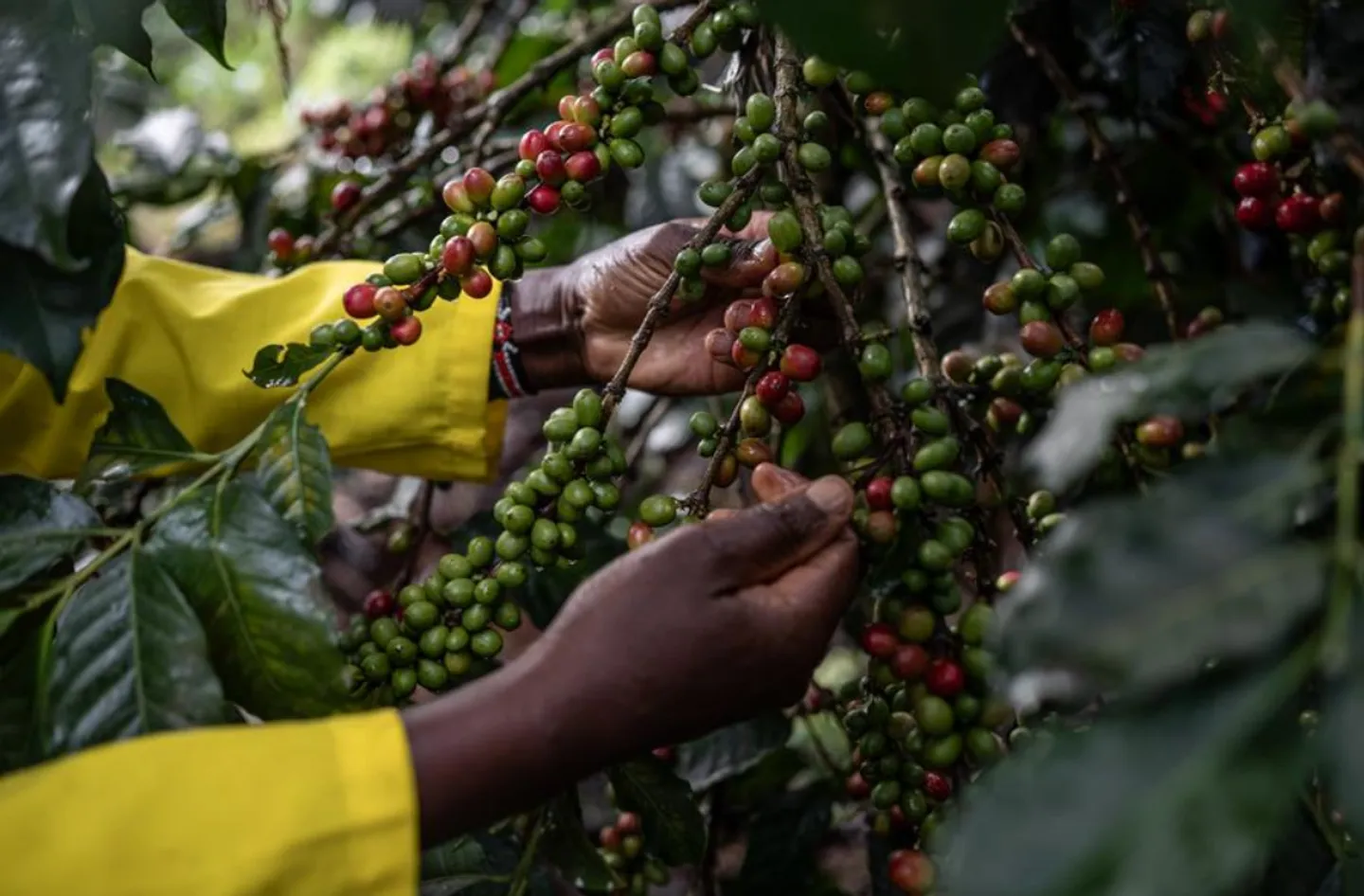
For Luciana Gitonga, some of the risks on her farm had become so routine that she never thought of them as dangers.
"Some risks had become our normal way of working, so we didn't always recognise them as hazards,” Luciana tells TRT Afrika. "The training helped me see my farm differently."
The training Luciana refers to is the International Labour Organization's (ILO) Work Improvement in Neighbourhood Development (WIND) methodology, delivered in Kenya’s Meru and Nyeri counties in August 2026.
Agriculture is one of Kenya's most dangerous sectors. Coffee farmers like Luciana often face risks ranging from injuries caused by manual handling and unsafe use of agrochemicals to heavy workloads and exposure to extreme weather.
For the more than 800,000 smallholder farmers who grow Kenya's coffee, these are not abstract statistics — they are daily realities.
‘Better than nothing’
Coffee farmers in some middle-to-low income African countries tend to their crop without wearing appropriate personal protective equipment (PPE) when handling chemicals or performing hazardous tasks.
A 2026 assessment by the Danish Institute for Human Rights and the Kenya National Chamber of Commerce and Industry similarly found that at the smallholder level, casual workers — predominantly women — face unsafe working conditions and lack adequate protective equipment when applying pesticides.
"I always thought gloves were for people who work in factories," Luciana states. "But when I spray and my hands itch afterwards, that's my body telling me something. Even a cheap pair of gloves and covering my nose with a cloth is safer and better than nothing."
Implemented through the ACCEL Africa project and financed by the Ministry of Foreign Affairs of the Netherlands, WIND training seeks to equip local facilitators to identify workplace hazards and support farmers in improving safety and working conditions across coffee-growing communities.
At the heart of the WIND methodology is a simple idea: farmers are the experts on their own farms. Rather than prescribing expensive equipment or complex technology, the approach puts farmers at the centre of the process. They assess their own workplaces, identify hazards and develop affordable solutions suited to local conditions and available resources.
Small changes, reduced risks







During the WIND training in Meru and Nyeri, participants used workplace illustrations and examples of local good practices to explore how small changes can reduce risks.
In Nyeri County, cooperative officer John Nderitu was struck by what made the WIND approach different.
"Instead of standing in front of farmers and telling them they're doing it wrong, I can ask: 'Walk me through your day. What part of the work makes you tired or worried?' The answers come from them, and so do the solutions. My job is just to guide the conversation," John explains.
"A farmer might say they can't afford proper storage for chemicals. So I ask — can you move them off the floor today? Can you lock them in a cupboard next week? Each step counts. Three months later, they've made five small changes without spending much."

The data underscores the urgency. A study of workers on small-scale coffee farms in Kirinyaga County found that the prevalence of acute pesticide poisoning symptoms was 52.3 percent, with headaches, diarrhoea, skin rashes and dizziness among the most common. The same study found that not wearing personal protective equipment more than doubled the risk of pesticide poisoning.
‘Make the work safer’
The WIND training further addressed the link between occupational safety and health and child labour prevention, emphasising that children must not be exposed to hazardous tasks in farming environments.
During field-based learning on a coffee farm, participants applied WIND tools directly with farmers, using participatory discussions to identify workplace risks and explore measures to improve safety, health and productivity with locally available resources.
Kenya's coffee sector is in the midst of a revival. The United States Department of Agriculture projects that production will rise by nearly 12 per cent in the 2026/27 marketing year to 950,000 60-kilogramme bags, up from 850,000 bags in the previous season. In March 2026, Kenya enacted a new Coffee Act that shifts regulatory oversight to a re-established Kenya Coffee Board. As the industry expands, workplace safety cannot be an afterthought.
For Luciana Gitonga, the change is already tangible.
"What I learned is that we can make simple changes with what we already have to protect ourselves and make the work safer."