The International Monetary Fund said Nigeria's sweeping reforms have strengthened economic stability and investor confidence, but warned on Tuesday that the benefits could be undermined by global shocks, including the Middle East conflict.
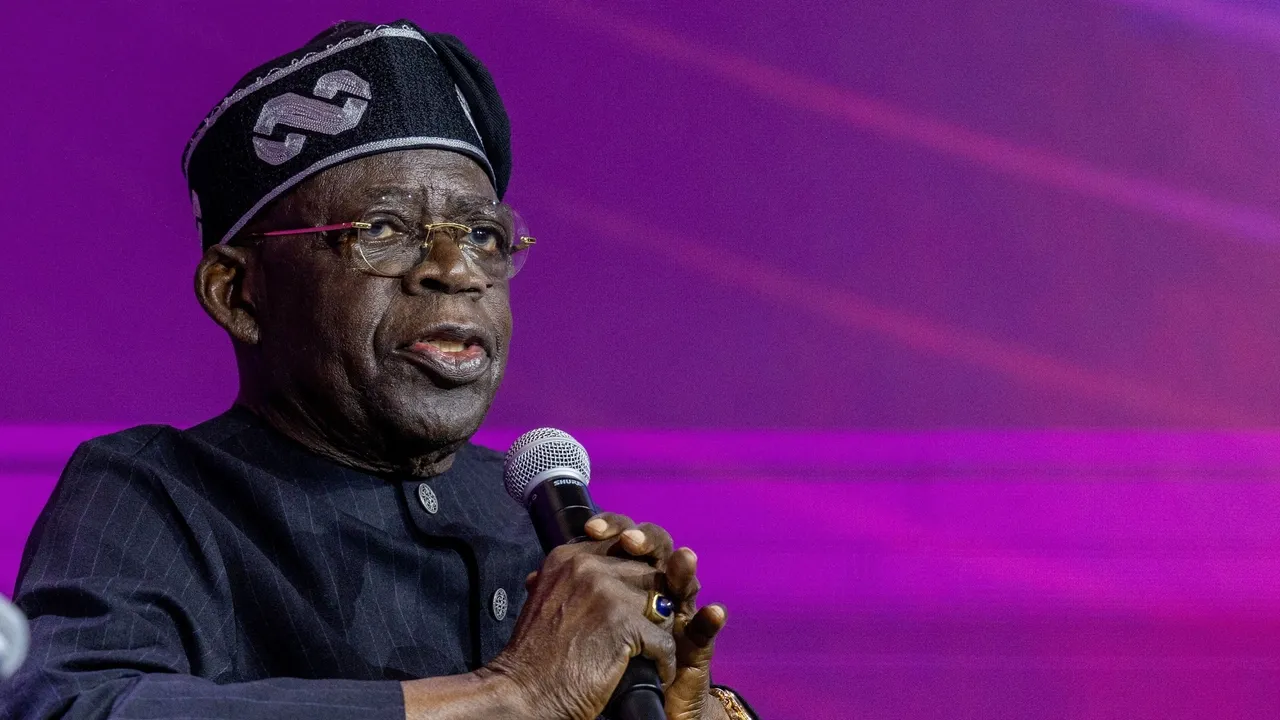
In its latest Article IV review, the Fund said reforms since 2023 under President Bola Tinubu – including fuel subsidy removal, tighter monetary policy and exchange rate liberalization – had rebuilt buffers and improved macroeconomic management.
However, the IMF cautioned that while the reforms were restoring investor confidence and stabilising the economy, they were also contributing to social strain, with poverty levels at 63%.
The IMF said improved policy credibility and foreign exchange market functioning had helped Nigeria regain access to international capital markets and attract portfolio inflows, while reducing risk premiums. The central bank says gross forex reserves are at $50 billion, the highest in 17 years.
Volatile foreign portfolio








But reliance on volatile foreign portfolio investment poses rollover risks, the IMF said, urging a shift towards more stable, long-term capital such as foreign direct investment.
The latest data from the National Bureau of Statistics showed that portfolio investment accounted for 95% of the $10.37 billion capital inflows into Nigeria during the first quarter of this year.
The IMF projected growth at 4.1% this year, with the economy expanding faster at 4.3% in 2027.
Higher global oil prices may boost revenues for Africa's biggest oil exporter, but they also push up domestic fuel and food costs, adding to inflation and financial pressures, the IMF said.