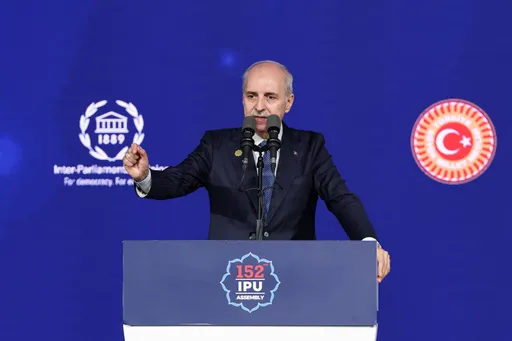
Picture a scene: in Washington or Paris, glasses clink to honour an African head of state, a 'strategic partner'. His contribution to 'regional stability' is praised, with a red carpet, honour guard, and diplomatic smiles greeting him upon disembarking. The press releases speak of some supposed strategic cooperation and a win-win partnership.
Meanwhile in Caracas, the scene resembles a bunker. The same powers that raised their glasses to a supposed strategic partner, now freeze assets and threaten embargoes, citing 'democracy' and 'human rights'. In this context, the leader is not a partner, but a problem to be solved.
A stark and unsettling question then arises: Why does a single word ‘dictator’ change its meaning depending on the country, its latitude and its land’s resources?
In the 21st century, dictatorship appears less a political definition and more a geopolitical status, assigned by perceived obedience. It is the era of imperialism without borders, where the West deploys democratic standards with a variable geometry.
And when we think about it, we see that Western democracy often resembles a bespoke suit, with double standards.
Elegant, well-tailored, worn with pride on important occasions, but suddenly becomes too tight, too cumbersome, when it comes to “reliable” African partners.
The explanation given is that “the context is complex,” that “the priority is stability,” and that “each country has its own rhythm.”
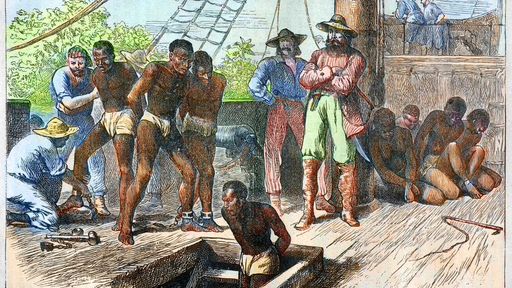
In countries where abundant mineral wealth; cobalt, gold and uranium flow to Western markets, security concerns often eclipse human rights considerations.
They are applied with implacable rigor when interests are threatened, and dissolve into pragmatism when resources flow freely. And this brings us to the question: Why does imperialism's definition of ‘dictator’ change according to interests?
As it turns out, the answer resides less in authoritarianism than in the disobedience.
In the contemporary world order, the real wrong is not to concentrate power, but to refuse to align. If it suits imperialism some practices are put into perspective in the name of stability.
For instance, Venezuela is subjected to sanctions that are strangling its economy and hitting its people hardest. Every decision is scrutinized, every election disqualified before the first ballot is even cast.
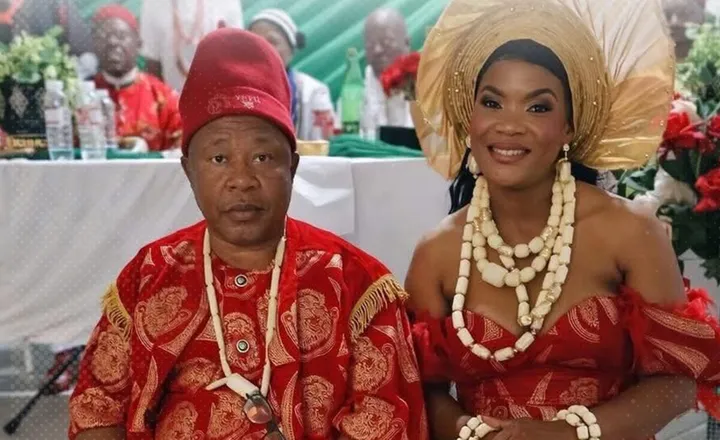


Of course, the Venezuelan case is not isolated. The history of the Global South is full of similar examples.
In Burkina Faso, Thomas Sankara attempted to break free from the logic of economic dependence, refusing imposed debt and asserting African sovereignty. His diplomatic isolation preceded his abrupt fall in 1987.
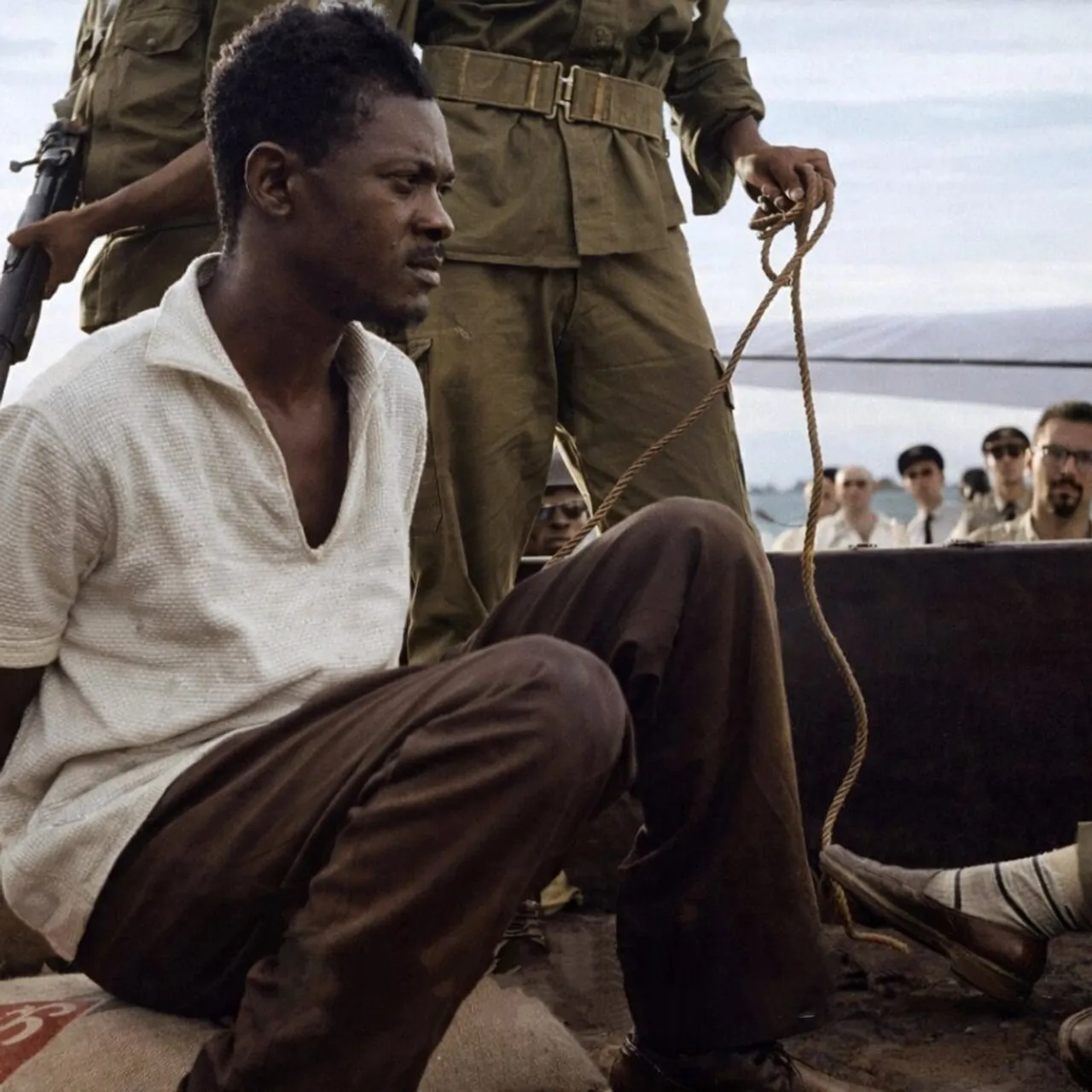
Patrice Lumumba advocated for genuine Congolese independence, both politically and economically. His overthrow and assassination occurred when Western interests were threatened.
We can also cite Libya’s Gaddafi or Guinea’s Alpha Conde etc.
Venezuelan President Nicolas Maduro's true offence lies in his defiance, not a supposed democratic shortfall. He dared to say no to some multinationals and to control disguised as partnership and to the idea that sovereignty is negotiable.
Consequently, authoritarianism has ceased to be a nuance and has become an unforgivable offense.
Yet, some African leaders, deemed 'strong men' on the continent, are welcomed in Europe, simply because they are seen as 'friends'.
However, when they happen to go against them, the coups that overthrow them are portrayed as "necessary transitions", as long as the new leader can guarantee the ‘stability’ necessary for multinationals to operate.
Sovereignty is tolerated if it aligns with dominant interests, breeding resentment in the Global South.
Thus, many Global South nations, notably in Africa, seek alternative alliances, as they often face a choice between compliance and sanctions.
As the world comes to the realisation that sovereignty should have no borders, selective outrage has subtly become a tool of modern imperialism.
Genuine sovereignty means ending double standards. The Global South must have the sole right to choose their leaders, allies, and political paths.