 Sylvia Chebet
Inside a luxury cruise ship, far from any shore, an outbreak was quietly brewing.
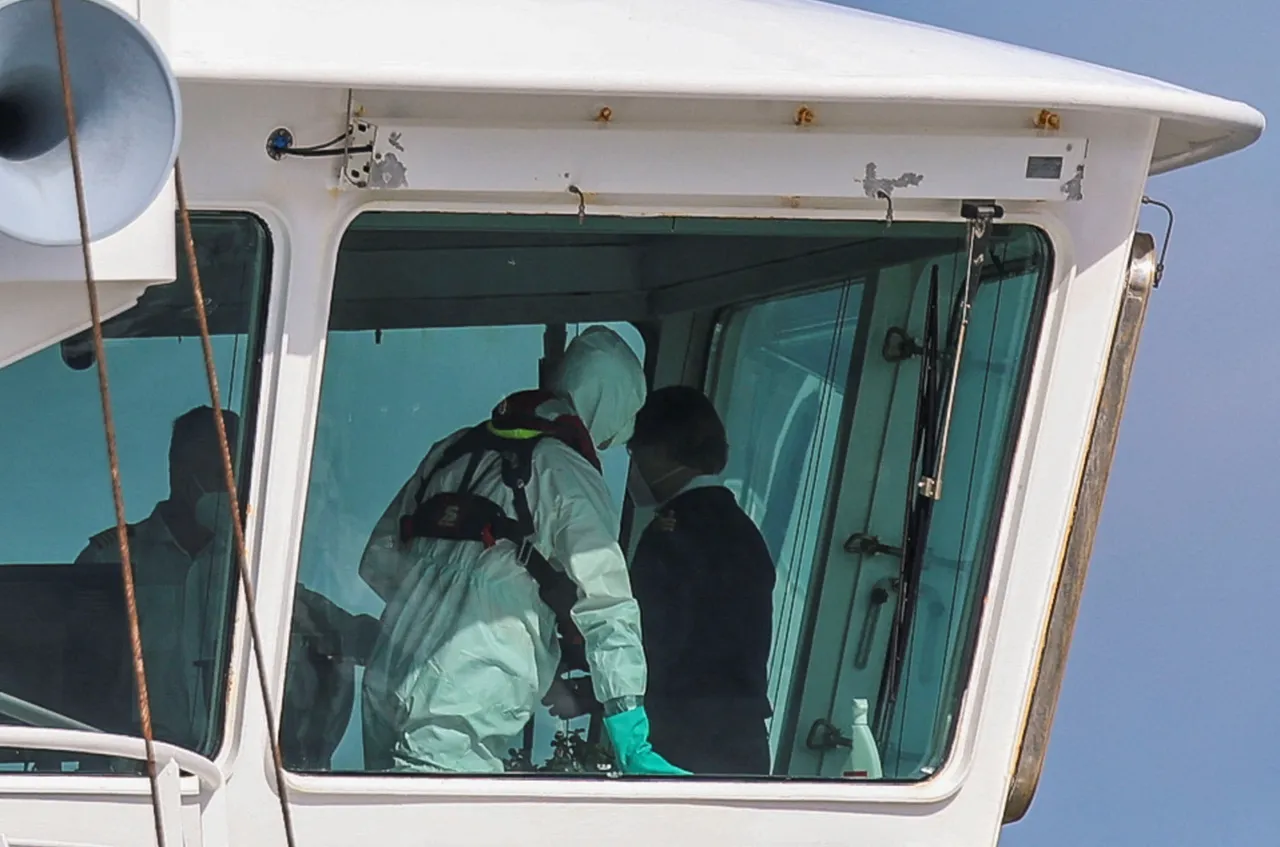
By the time health officials realised what they were dealing with, a Dutch husband and wife were dead within days of each other — victims of a rare and potentially deadly hantavirus strain.
But the primary carrier of the virus was nowhere to be seen. No infected rodent had been identified onboard. No clear source of exposure had yet been confirmed.
Now, international investigators are racing to answer a growing list of questions. Was an infected rodent hiding somewhere on the ship? Did the couple contract the virus before boarding? Or did exposure happen during earlier travels, long before the cruise ever began?
Origins
Hantavirus is a rare zoonotic disease mainly carried by rodents. Health experts say people are usually infected after inhaling contaminated particles from rodent urine, saliva or droppings — especially in enclosed or poorly ventilated spaces.
This outbreak involves the Andes strain of hantavirus, one of the few variants capable of spreading from person to person through close contact.
That possibility transformed what may have started as a rodent-borne infection into a complex international public health emergency.
According to the World Health Organization, 11 cases have now been linked to the outbreak, including nine confirmed and two probable infections.
The newest cases — reported in the United States, Spain and France — were all among passengers already onboard the ship.
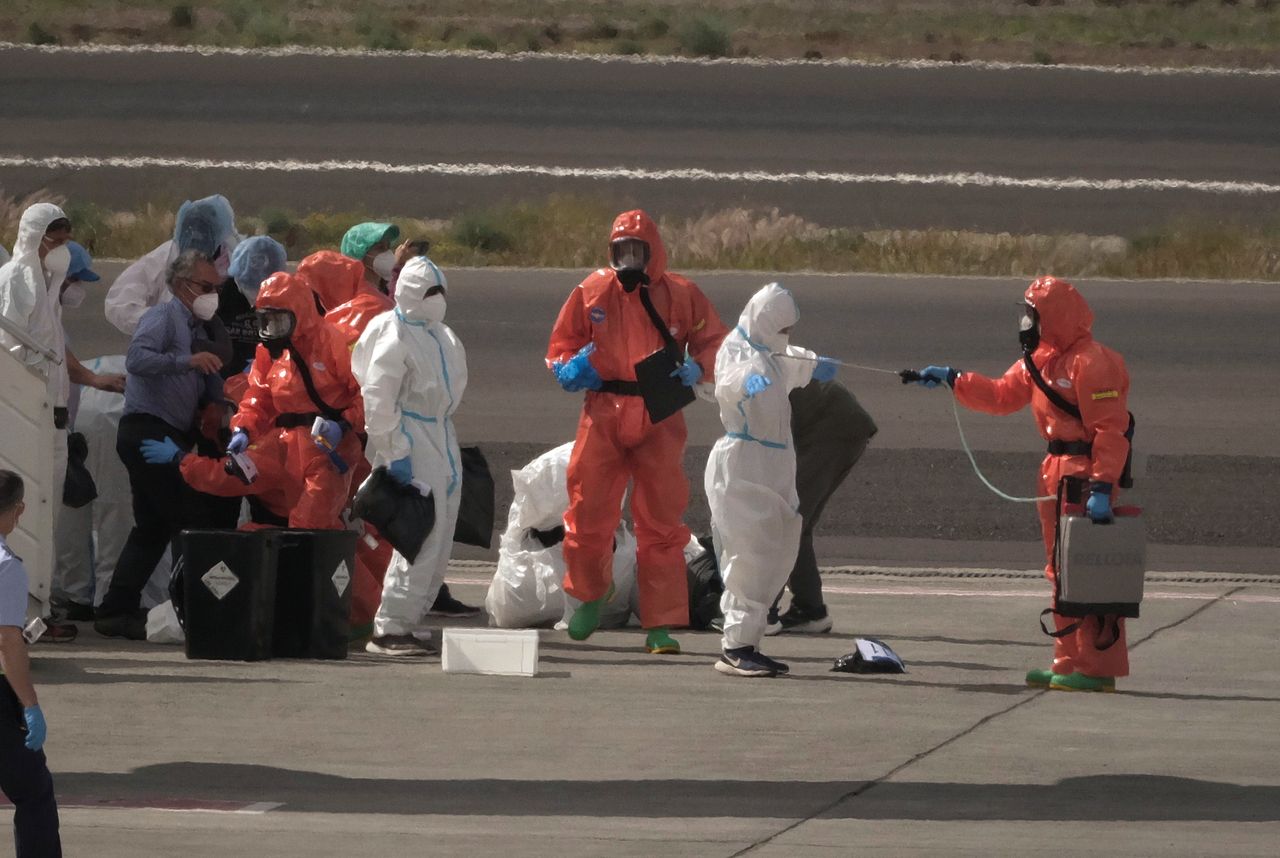
So far, no broader community transmission has been confirmed. WHO Africa Emergency Response Program Manager Dr Patrick Otim says investigators are now focusing heavily on tracing the original source of exposure.
Environmental assessments are underway to determine whether rodents were present onboard the vessel or in locations visited by passengers before the voyage began.
Investigators are examining travel histories, accommodation sites and environmental exposures linked to the first known patients.
Laboratory teams are also carrying out genome sequencing and ecological investigations, including testing rodents connected to possible exposure sites.
Scientists hope genetic analysis of the virus will help determine whether this strain is linked to previous outbreaks in South America, particularly Argentina, where Andes virus outbreaks have occurred before.
One leading theory is that the first infected passengers may have contracted the virus before boarding the ship.
WHO says the timeline raises important questions. The first patient reportedly developed symptoms only five days after boarding — a relatively short window given that hantavirus incubation can last several weeks.
“We know that they boarded the ship on April 1, and then the gentleman then developed symptoms around the 6th — so within one week,” Otim notes, adding: “So it is most plausible that both of them could have been exposed before they boarded the ship.”







But once onboard, the conditions may have accelerated transmission. Passengers shared dining halls, entertainment areas and confined living spaces for extended periods — ideal conditions for close-contact spread.
WHO says all passengers who disembarked from the ship are now considered high-risk contacts.
“There is an important nuance here,” Otim explains, noting that hantavirus is not a single virus but a group of related viruses. “The particular strain involved in this outbreak — the Andes virus — has a maximum incubation period of up to 40 days.
“That is why WHO guidelines recommend monitoring all passengers and contacts from the cruise ship for 42 days. If they do not develop any signs or symptoms during that period, they are considered safe to resume their normal activities.”
Symptoms and pulmonary syndrome
Health officials are urging passengers to immediately report symptoms such as fever, headaches, muscle aches, fatigue, nausea or abdominal pain.
Because these early symptoms are non-specific and can easily be mistaken for common illnesses, high-risk contacts are being advised to notify authorities as soon as any of them appear.
Doctors warn the disease can quickly become life-threatening once respiratory complications begin.
Otim says that if the disease is not detected early, patients can progress to what he describes as the “pulmonary syndrome phase,” where their condition deteriorates rapidly.
“They develop chest pain, coughing and breathing difficulties, and if they are not provided urgent ventilatory support, they can quickly die,” he says. “That was the case with the wife of the first patient, who suddenly collapsed and died.”
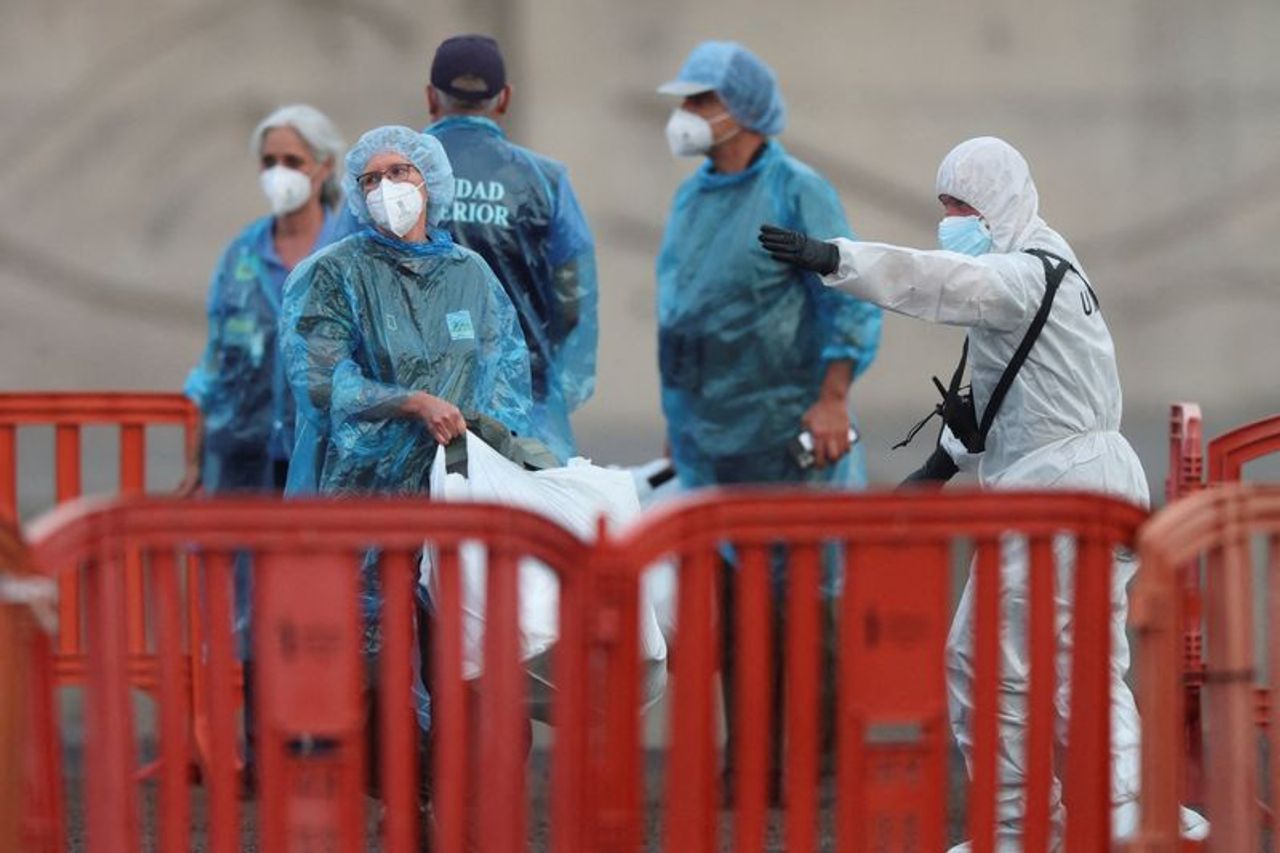
WHO says aggressive containment measures were introduced to interrupt transmission before the outbreak spread further.
Passenger interaction onboard was restricted, disembarkation was tightly controlled and evacuation flights were specially organised to minimise outside contact.
The global health body says international coordination has also played a critical role, with countries rapidly sharing passenger lists, contact tracing information and health alerts under International Health Regulations.
Successful containment?
For now, health officials say there is one encouraging sign. Despite the seriousness of the virus, all known cases remain linked to the original group of passengers from the ship.
If no additional cases emerge during the monitoring period, WHO says it would mean containment efforts successfully interrupted transmission.
According to the emergency response specialist, “it would be a major public health success if we are able to contain this without generating other cases from the contacts.”
Otim also says “serology testing” could help identify people who were exposed to the virus but developed only mild symptoms or no illness at all by detecting antibodies in their blood.
Those findings may provide valuable insights for future research into diagnostics, treatments and possible vaccine development.
For investigators, the race now continues on two fronts — stopping the virus from spreading further, while tracing the invisible rodent link that may have triggered the outbreak in the first place.