 Sylvia Chebet
US President Donald Trump’s administration has reignited debate over its controversial deportation of migrants into third countries—some of them in Africa.
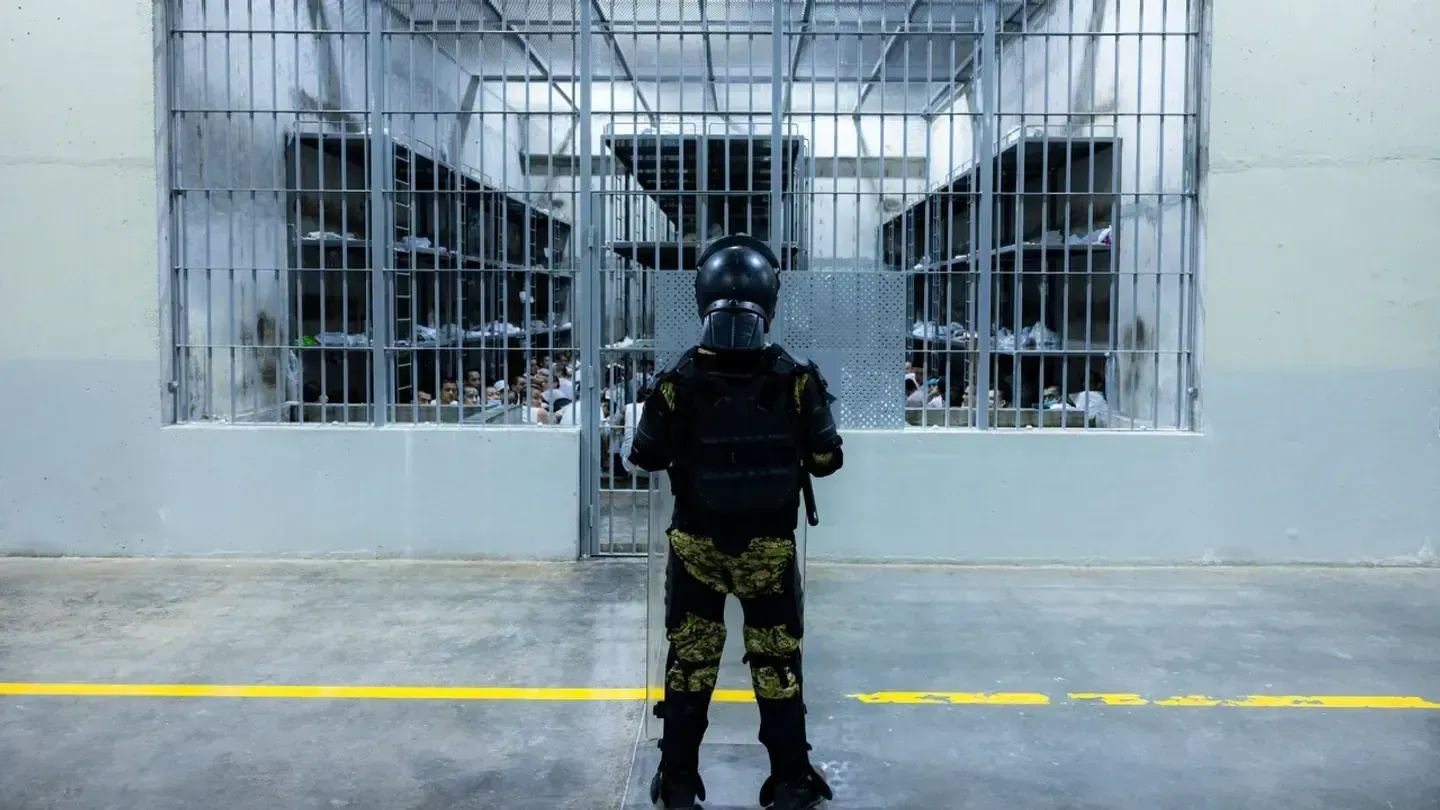
In early April, 12 US deportees arrived in Uganda, adding to a growing list of transfers across the continent. Earlier in the year, 17 others were sent to Cameroon. In 2025, smaller groups were relocated to Rwanda (7), Ghana (14), and South Sudan (8), while Eswatini received at least 19 migrants between 2025 and 2026.
Yet the modest scale masks a much broader ambition. US authorities have reportedly issued thousands of third-country deportation orders globally, while bilateral agreements with African states outline capacity for hundreds more transfers.
For analysts, the implication is clear: this is not a marginal policy—it is an emerging system.
Migration experts call this externalization: the relocation of migrants to third countries, often far from where they originally sought refuge.
“Externalization is not simply about migration control; it is about relocating responsibility in ways that reflect global power hierarchies,” Therence Atabong Njuafac, an expert in international relations and political science tells TRT Afrika.
Politics of power
At its core, the policy is about deterrence and control. By relocating migrants to distant regions, US authorities aim to discourage irregular migration while easing pressure on domestic systems.
But for many observers, this is not just policy—it is politics.
“The prospect of being sent not just back home, but to an unfamiliar region, carries a psychological weight,” Njuafac explains. “Deterrence works symbolically as much as practically—it sends a message about the consequences of mobility.”
The approach mirrors similar strategies in the European Union, where migration control has increasingly been outsourced to countries in Africa and the Middle East. For critics, this signals a troubling convergence: wealthy nations reinforcing their borders by shifting responsibility and risk onto less powerful nations.
Deportation or displacement?
Those affected by these policies are often among the most vulnerable: rejected asylum seekers, undocumented migrants, and individuals whose home countries lack repatriation agreements with Washington.
Yet one of the most contentious aspects is where they end up.
In some cases, deportees may be sent to African countries with which they have no personal, cultural, or linguistic ties. For Njuafac, this raises profound concerns.
“When individuals are sent to countries with which they have no meaningful connection, we risk producing forms of de facto statelessness,” he says.
Such scenarios blur the line between deportation and displacement, leaving individuals in legal and social limbo.
For African states, this raises difficult questions: What obligations exist toward non-citizens imposed through external agreements? And at what point does cooperation become coercion?
Shifting borders, shifting burdens
From a US perspective, the benefits are clear: fewer cases clogging immigration courts, reduced detention costs, and visible enforcement that carries political weight. These arrangements can also strengthen diplomatic ties, often linked to aid packages or security cooperation.
Still, Njuafac warns against viewing these gains in isolation.
“Short-term efficiency often obscures long-term legal and moral costs,” he notes.







For receiving African nations, the picture is far more complex.
Some governments may welcome financial incentives or closer ties with Washington. But these benefits come with significant trade-offs. Weak institutional systems may struggle to absorb new arrivals, while local populations may resist the settlement of non-native migrants.
Security concerns also loom, particularly if deportees include individuals with criminal records.
“This practice can resemble a transfer of responsibility from a powerful state to structurally weaker ones,” the international relations expert argues.
The legal fault lines
Beyond logistics and politics lies a deeper legal dilemma.
International human rights law—built on principles such as non-refoulement and the right to seek asylum—places limits on how states can treat migrants. While third-country transfers are not inherently illegal, they depend on strict safeguards: safety, access to asylum procedures, and protection from harm.
In reality, those guarantees are not always assured.
“Consent in these agreements is often shaped by unequal power relations, raising doubts about how voluntary such partnerships truly are,” Njuafac says.
This imbalance raises uncomfortable questions about whether such policies represent genuine cooperation—or simply the outsourcing of responsibility.
For African countries, the implications are immediate and tangible.
Governments may face pressure on already limited administrative systems. Communities may resist the settlement of non-native populations. Concerns about security, integration, and resource allocation can quickly escalate into broader social tensions.
At the same time, the promise of economic incentives can place governments in a difficult position—balancing domestic stability against international partnerships.
If such policies become normalized, they risk reshaping the global migration system in ways that disproportionately affect the Global South.
For critics, this is not just about migration—it is about justice. They warn that this is likely to normalise a model in which wealthier nations increasingly shift migration pressures onto less-resourced countries, deepening global inequalities in the process.
“If widely adopted, such policies could fundamentally reshape the global asylum system—not necessarily in ways that enhance protection,” Njuafac cautions.
Redefining responsibility
The debate over deportation to Africa ultimately raises a deeper question: who is responsible for protecting the world’s most vulnerable?
For the United States, this may offer administrative relief and political clarity. But for receiving nations—and for the migrants themselves—it introduces uncertainty, strain, and risk.
Without transparency, enforceable safeguards, and more balanced partnerships, “it risks reinforcing global inequalities and undermining international norms on migration and human rights,” Njuafac tells TRT Afrika.
For now, the question remains: in tightening its borders, is the United States redefining them altogether?