Israel and Hezbollah agreed to an immediate ceasefire on Friday after deadly Israeli attacks in Lebanon threatened to derail a newly signed agreement aimed at ending the wider Middle East war, according to a US official.
The truce was brokered by US and Qatari mediators following consultations with Israel and Iran, the official said. A Gulf diplomat also confirmed the agreement.
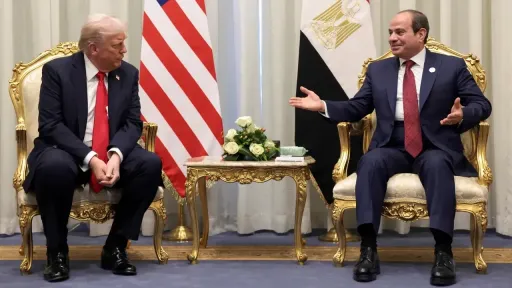
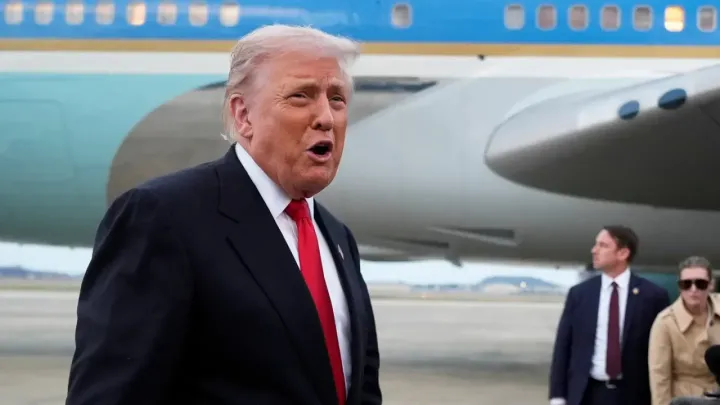
The ceasefire comes less than two days after US President Donald Trump and Iranian President Masoud Pezeshkian signed a landmark accord designed to end months of regional conflict and create a framework for broader negotiations.
The agreement had come under immediate strain as violence escalated in Lebanon.
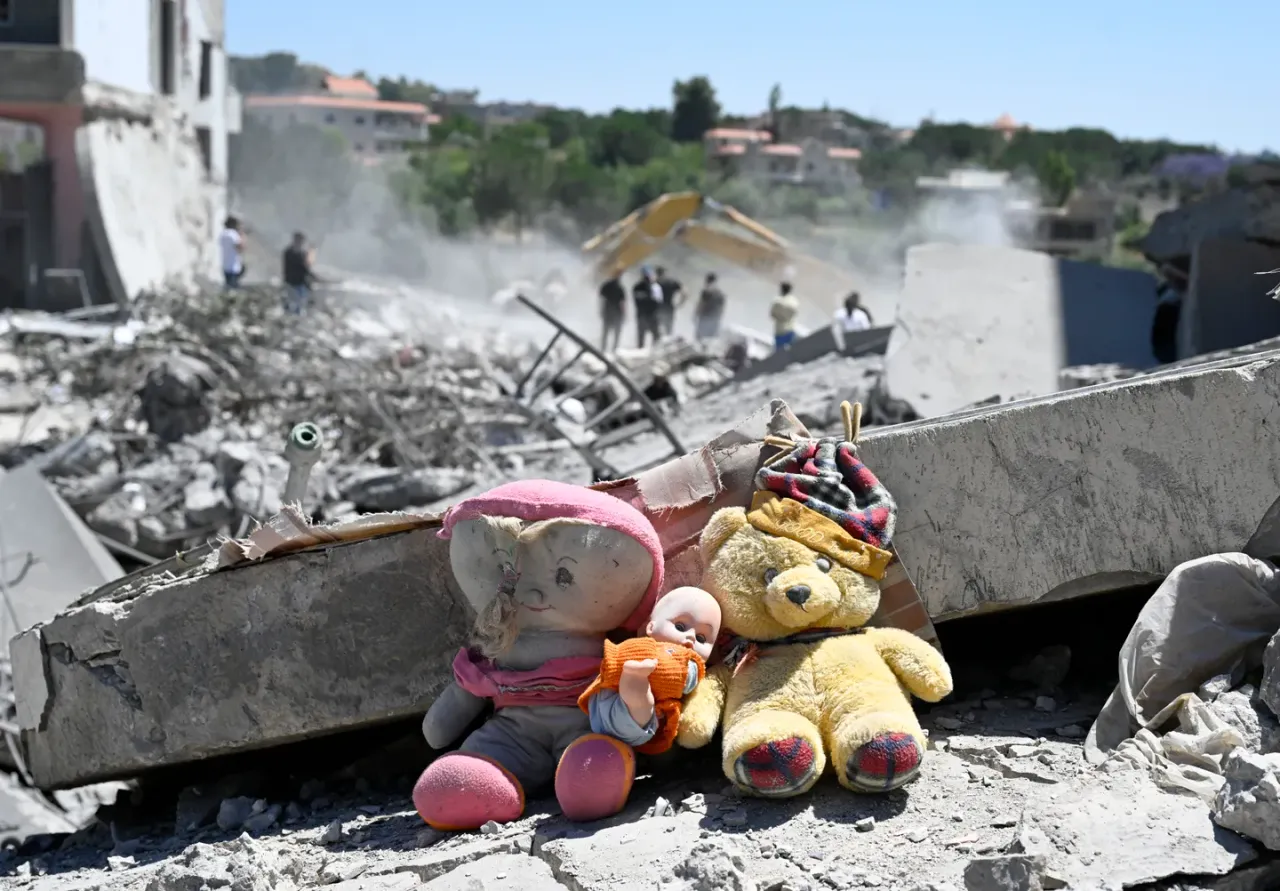
Israel's military said it struck more than 80 Hezbollah targets and killed dozens of fighters on Friday, while Lebanese authorities reported 47 deaths in Israeli air strikes. Israel also said four of its soldiers were killed.
Fighting delays next phase of US-Iran talks
The renewed violence forced the postponement of planned talks between US and Iranian delegations in Switzerland, which were intended to launch a two-month negotiation process on unresolved issues, including Iran’s nuclear programme.
Switzerland confirmed the discussions had been delayed, while media reports cited the escalation in Lebanon as a key factor behind the postponement.
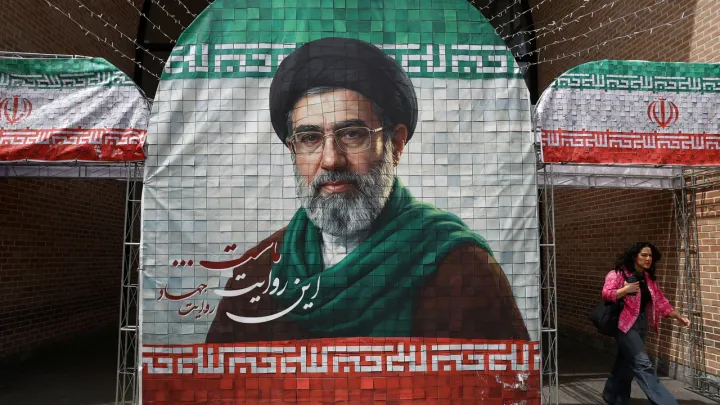
Iran's chief negotiator, Mohammad Bagher Ghalibaf, insisted Tehran would not compromise on its "red lines" despite backing continued diplomacy.
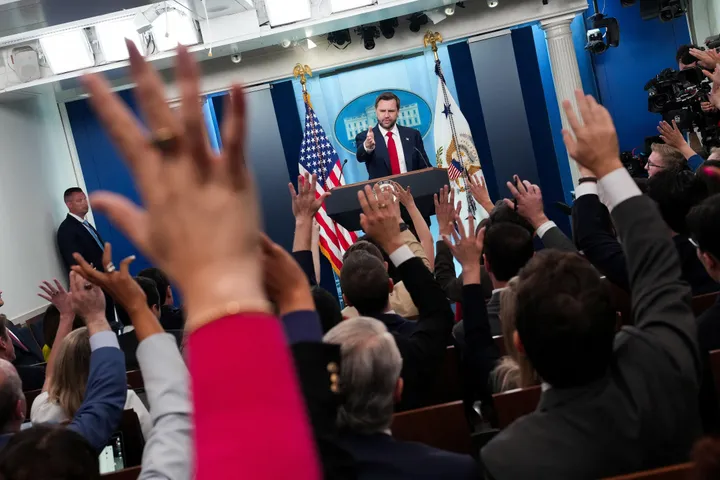

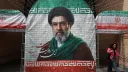

"If the enemy seeks to be excessive, we have proven that our fingers are on the trigger," Ghalibaf said, warning of a "crushing response" to any aggression.
Diplomatic sources said resistance to the agreement remains strong among hardliners in both Israel and Iran, creating uncertainty over the deal's future.
Israeli Prime Minister Benjamin Netanyahu had earlier vowed that Israeli forces would remain in Lebanon "as long as necessary," while far-right National Security Minister Itamar Ben Gvir called for a harsher response following the deaths of Israeli soldiers.
Iranian Foreign Minister Abbas Araghchi accused Israel of seeking "permanent war," underscoring the tensions that continue to surround the diplomatic process.
Shipping resumes through Strait of Hormuz
Despite political uncertainty, signs emerged that the agreement was beginning to ease pressure on global trade routes.
Maritime data showed commercial traffic increasing through the Strait of Hormuz after its reopening, with 25 vessels crossing the strategic waterway on Thursday — the highest daily total since mid-April.
The United States also lifted its naval blockade of Iranian ports, though American warships remain deployed in the region.
The reopening of the Strait of Hormuz, through which roughly one-fifth of global oil and liquefied natural gas exports pass during normal conditions, is viewed as one of the most economically significant outcomes of the agreement so far.