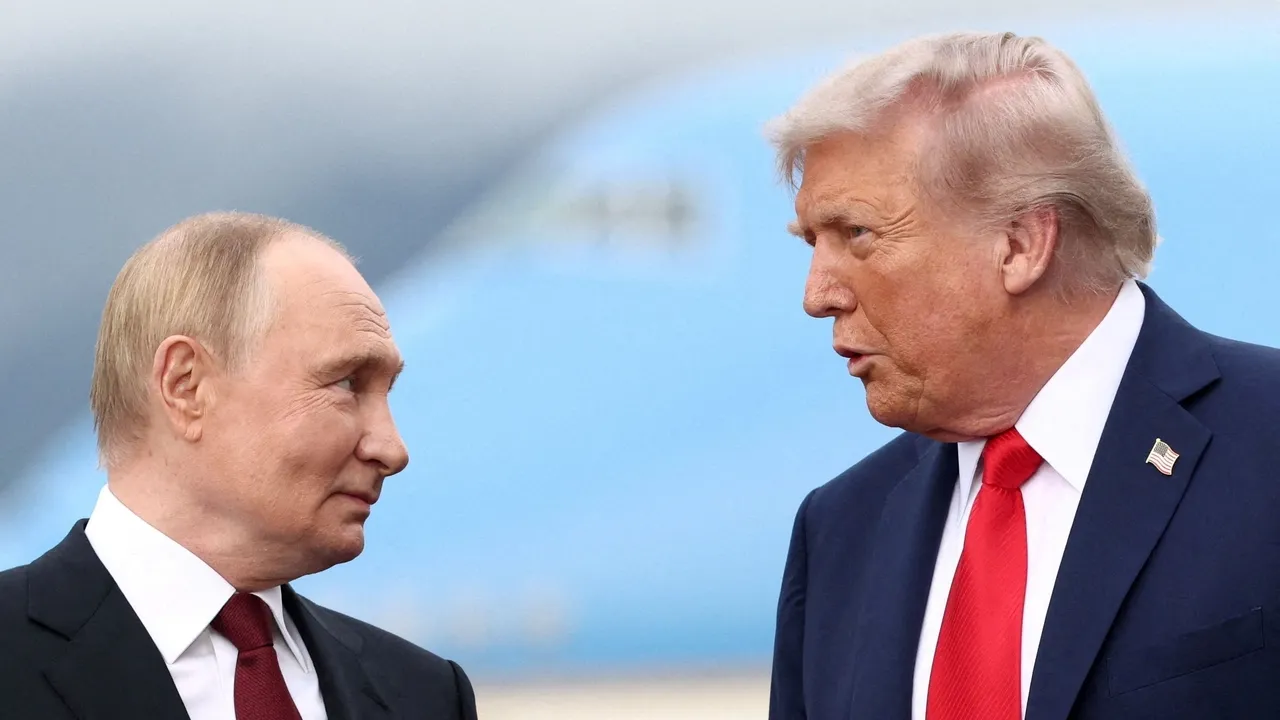
Russian President Vladimir Putin on Wednesday proposed a temporary ceasefire in Ukraine for May 9, Russia’s Victory Day celebrations, during a phone call with US President Donald Trump, according to the Kremlin.
Kremlin foreign affairs aide Yury Ushakov said the call was initiated by the Russian side and lasted nearly an hour, with Putin informing Trump of Moscow’s readiness to declare a truce during the World War II commemoration.
“Vladimir Putin informed his American counterpart of his readiness to declare a truce for the period of Victory Day celebrations,” Ushakov told reporters in Moscow.
Trump reportedly supported the proposal, signaling a rare point of alignment between Washington and Moscow amid the ongoing war in Ukraine.
Victory Day on May 9 is one of Russia’s most symbolic national holidays, marking the Soviet Union’s victory over Nazi Germany in World War II.
Iran and Gulf tensions also take center stage

Beyond Ukraine, Ushakov said both leaders focused heavily on the escalating situation in Iran and the wider Persian Gulf region.
“The presidents paid particular attention to the situation regarding Iran and in the Persian Gulf,” he said.
Putin also praised Trump’s decision to extend the ceasefire with Iran, calling it the right move to preserve space for diplomacy and help stabilise the broader region.
“Vladimir Putin considers Donald Trump’s decision to extend the ceasefire with Iran to be the right one,” Ushakov said.
The call marked the first publicly confirmed conversation between the two leaders since March and highlighted how the wars in Ukraine and the Middle East are increasingly shaping direct US-Russia engagement.