Voters in the Atlantic archipelago of Sao Tome and Principe, regarded as a model of democracy in Africa, are voting in presidential election on Sunday.
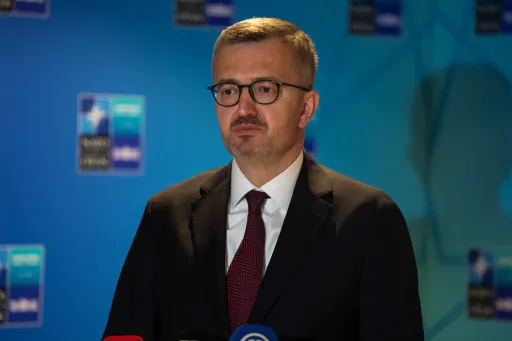
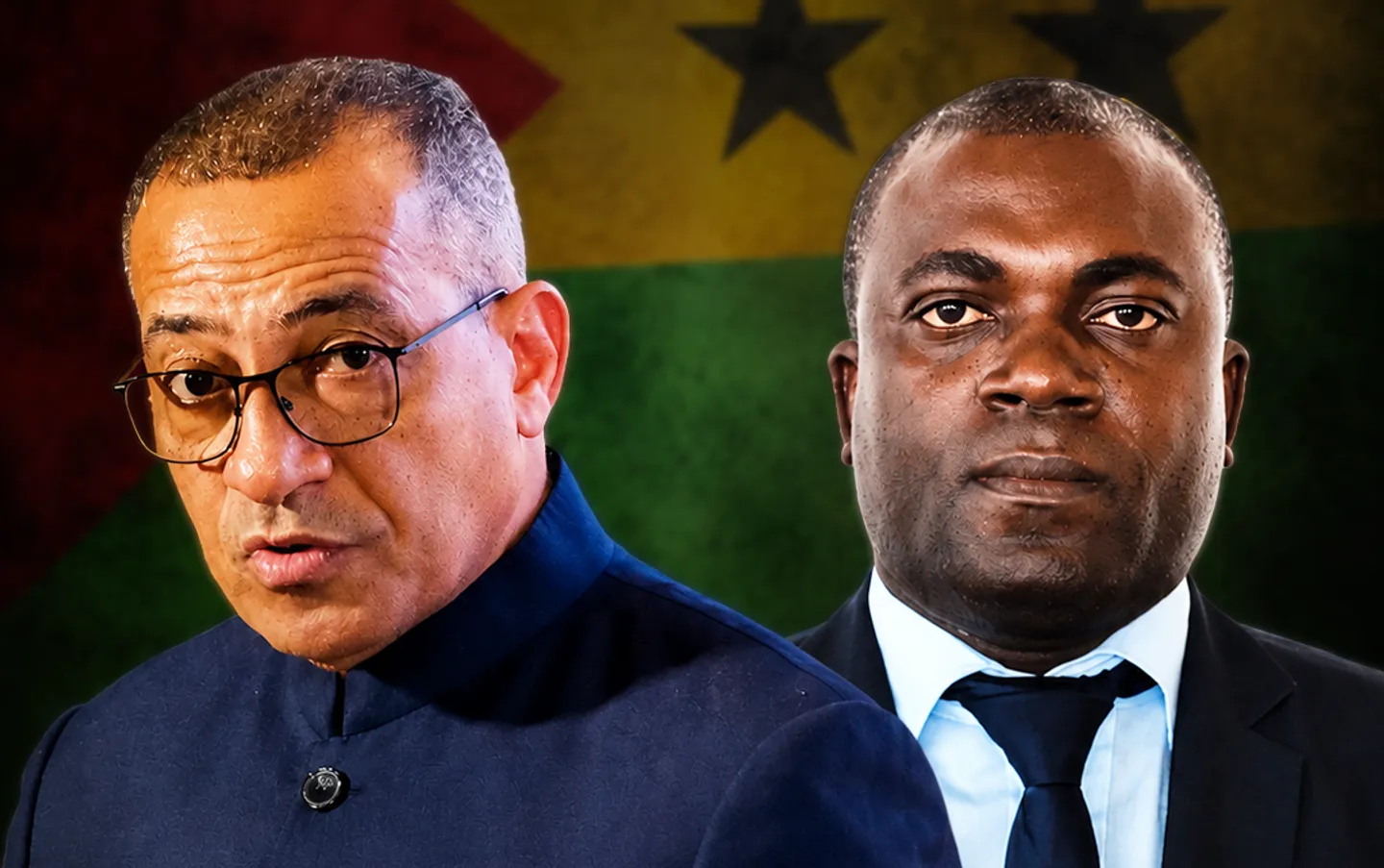
Incumbent President Carlos Vila Nova faces party rival Nito Viegas D'Abreu, a current member of parliament backed by former Prime Minister Patrice Trovoada, along with two independent candidates.
A former Portuguese colony in the Gulf of Guinea, the island nation of 200,000 inhabitants has a history marked by attempted coups including one in 2022 that was promptly thwarted by the military.
The president has a largely ceremonial role, responsible for representation and the promulgation of laws, while most executive powers lie with the prime minister.
Vila Nova, 66, elected president in 2021 with his Independent Democratic Action (ADI) party's support, is casting himself as the guarantor of the "political stability of the country".
He has faced criticism for dismissing former prime minister Trovoada in January 2025, a move ruled one year later to be contrary to the constitution.
Tourist destination

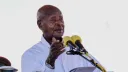
Trovoada, now head of the ADI and vying to regain the prime minister post in legislative polls this September, has thrown his support behind Vila Nova's rival Viegas D'Abreu.
Viegas D'Abreu, 43, is promoting himself as a representative of those born after the country's independence in 1975.
Sao Tome and Principe derives most of its resources from agriculture, particularly the production of cocoa and coffee, as well as vanilla and pepper.
Its unique landscapes also make it a prime tourist destination, especially for the ultra-wealthy.
Major international oil firms have recently acquired licences to explore for oil and gas reserves off the archipelago's shores.
Yet the island nation remains heavily dependent on international aid, with a large majority of its population living below the poverty line.