 Pauline Odhiambo
Two years ago, Faith Wanjiku’s world was the size of her family’s one-acre plot in Kenya’s Njoro region. She woke before dawn to weed maize, fetch water, and then spend her evenings putting together simple meals so that her younger siblings did not go hungry. At 22, she was part of a staggering statistic: one of the millions of young Africans neither in employment, education, nor training.
“I thought farming was a punishment for failure,” she admits to TRT Afrika, wiping dust from her hands as she stands in what used to be a barren patch of her family’s land.
Today, that patch is a thriving vegetable garden connected to a hotel supply chain in Nakuru Town. The change happened when an agricultural advisory service called Inuka Solutions arrived in Njoro.
.jpg?width=1080&format=jpg&quality=80)
With financing from IFAD’s Agribusiness Hub Programme, Inuka didn’t just give Faith a loan for seeds. They gave her a smartphone, training in digital sales, and a mentor who taught her that agriculture could be a business, not a sentence.
Ripple effect
Last month, Faith hired her first employee: a neighbour’s son who used to loiter at the local minibus terminal.
“Now he has shoes and a plan,” she says. Her income has tripled. And she has started a small poultry side hustle using the digital skills she learned. “The old me thought I’d have to move to capital Nairobi to matter,” she says, smiling. “Now, I am the opportunity.”
Across Kenya’s Rift Valley, a quiet revolution is stitching itself together—one sewing machine, one line of computer code, and one commercial farm contract at a time. For decades, the narrative around Africa’s youth bulge has been framed as a ticking clock. With over 60 percent of Africans under 25, and a quarter of them idle, the continent has been warned of instability, of migration, of a lost generation.
But here, in buzzing textiles centres and agribusiness hubs, a different story is emerging: the ripple effect of rural youth employment.
Textiles & coding
Until last year, James* who lives in Kenya’s Nakuru county, was a cautionary tale. After his father died, he dropped out of secondary school and fell in with a group of young men who survived on petty theft and desperation.
“I knew how to break a padlock before I knew how to write a CV,” he says bluntly.








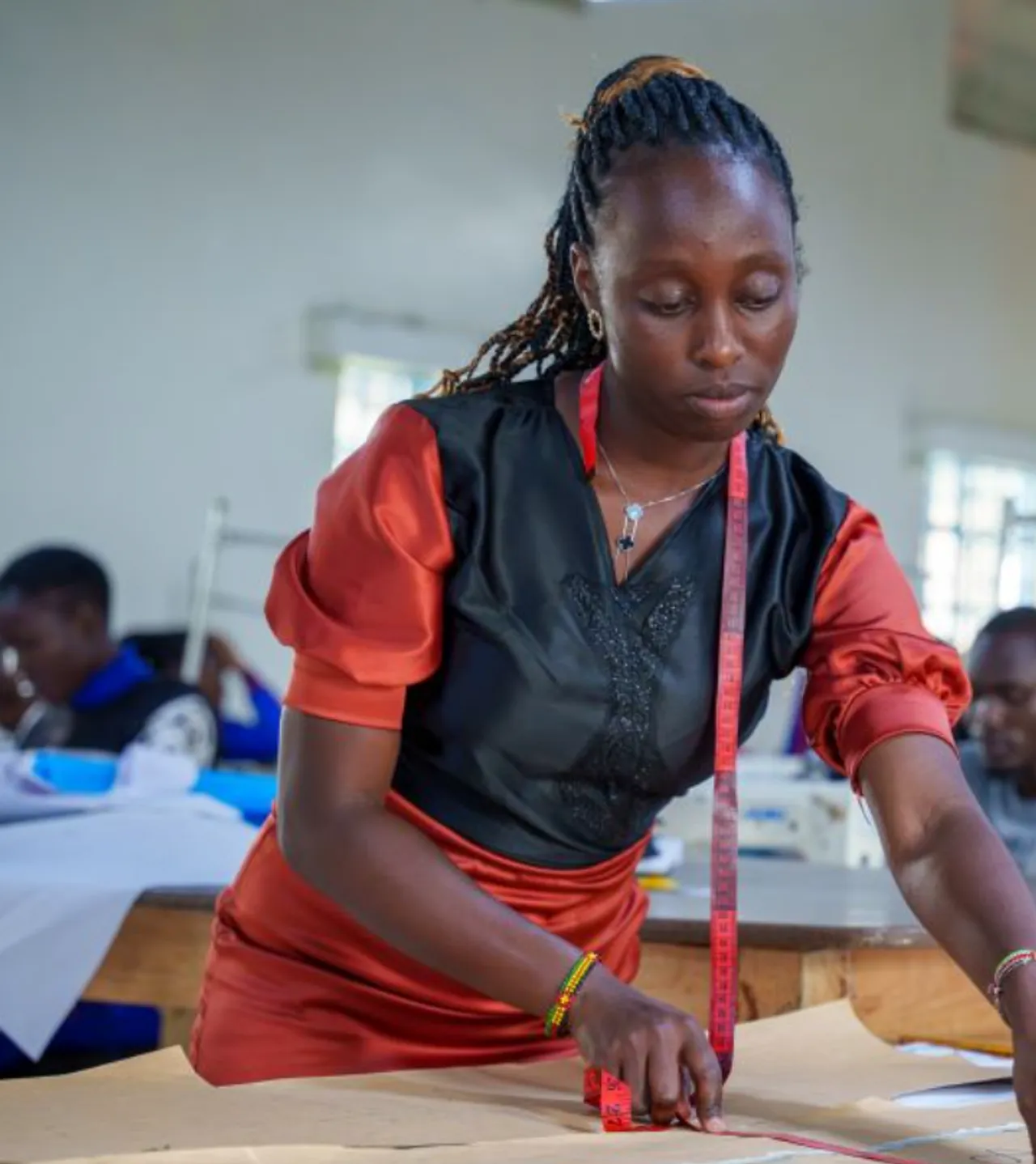
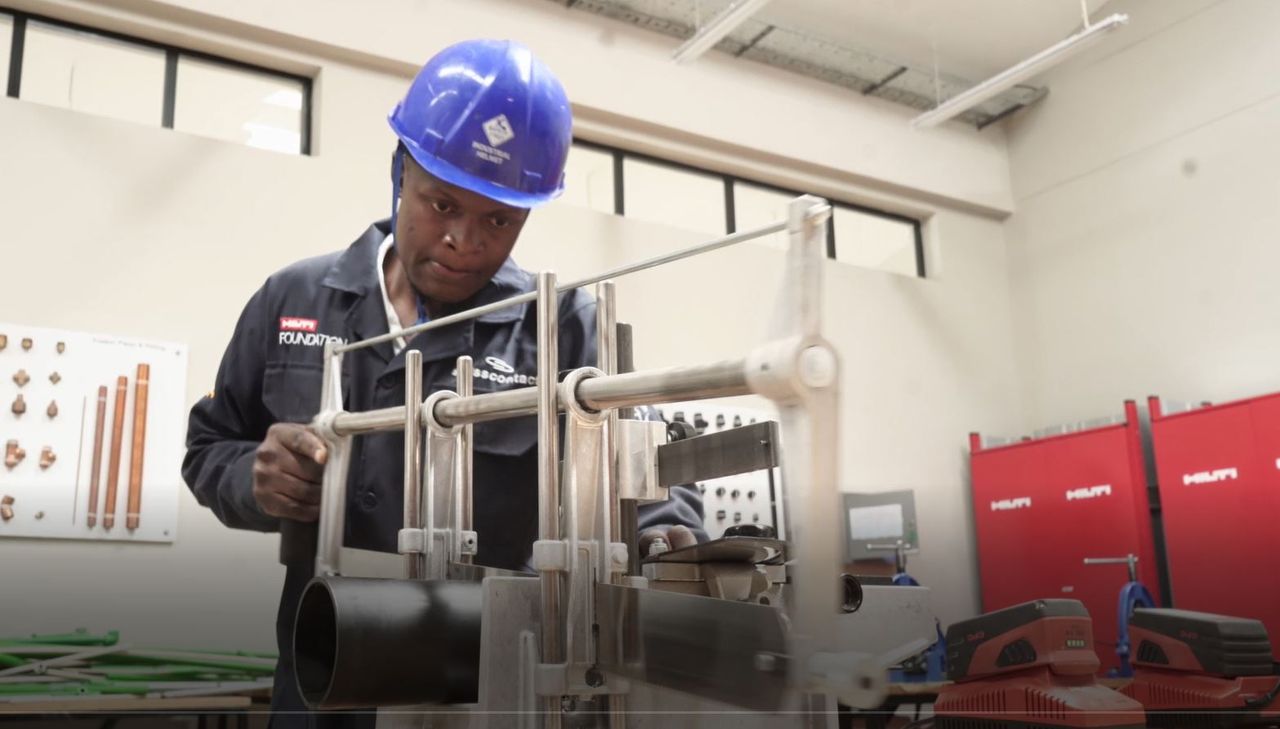
Then a friend dragged him to a youth empowerment organization called Daraja 360, which operates from a vibrant textiles centre. The building hums with the sound of dozens of sewing machines and the chatter of young people mentoring each other. In 2022, IFAD’s Agribusiness Hub Programme partnered with Daraja 360 to scale up their work—establishing market linkages, digitalizing operations, and facilitating partnerships with tech firms.
James enrolled in textile training. He learned to stitch uniforms for local schools and produce reusable sanitary pads for a social enterprise. But the real lifeline came when Daraja 360 introduced him to Lish AI Labs, a tech company operating from the same centre.
Lish trains rural youth on basic digital and artificial intelligence skills, then uses a bespoke workforce management system to source digital freelancing jobs. James now works remotely as a data annotator for an autonomous vehicle startup in Europe.
“I earn in dollars,” he says, showing his phone. “I bought my mother a cow. My little brother is back in school. And the guys I used to steal with? Three of them now work at the sewing centre.” He pauses. “We didn’t need saving. We needed a chance.”
Agribusiness entrepreneurs
The numbers bear out the anecdote. In just five years, the first phase of IFAD’s Agribusiness Hub Programme has created over 59,000 wage and self-employment opportunities across nine African countries—nearly tripling its initial targets. In Kenya alone, Inuka Solutions has seen its revenue jump by 144 percent, trained 55 students in agricultural skills, and helped over 100 young people launch enterprises.
Daraja 360 has mentored more than 5,000 local youth, trained 200 in textiles (80 percent now employed or self-employed), and awarded 80 scholarships.
But the real magic is what the reports call “knock-on effects.” Farmers who once grew only enough to survive are now supplying commercial markets, thanks to young agribusiness entrepreneurs linking them to buyers. Textiles trainees are teaching their parents to use digital payment systems. Young coders are building apps for local co-ops. As economic stability grows, research suggests migratory pressures ease; young people stay, build, and invest.
“When we invest in young rural people, the ripple effects extend to entire communities, food systems, economies—and generations,” says an IFAD programme officer. “They are not a problem to be solved. They are the solution.”
At dusk in Njoro, Faith Wanjiku locks her new chicken coop and walks toward the main road. She is heading to a meeting of a youth agribusiness group that Inuka helped form. They are discussing a collective loan to buy a delivery truck.
James, meanwhile, has just finished a shift for his European client and is teaching three teenagers from his old neighbourhood how to navigate a freelance platform.
“They think I’m a big deal,” he laughs. “I tell them: I’m just a guy with a sewing machine and a laptop. If I can do it, so can you.”
*Name changed to protect identity