 Pauline Odhiambo
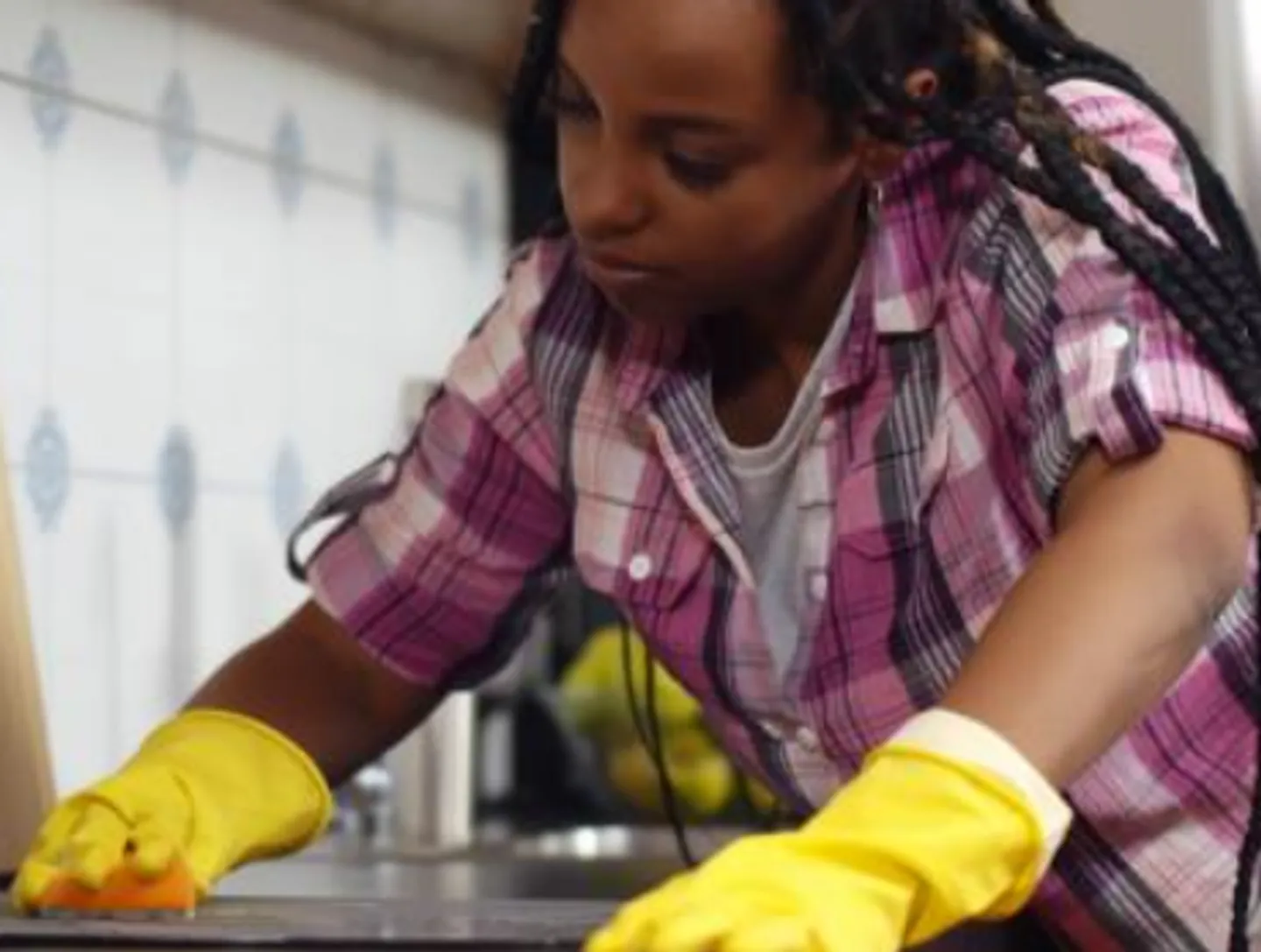
In a quiet corner of Freetown, Mariama's* hands, chapped from years of scrubbing floors and washing clothes, tremble as she recounts her journey.
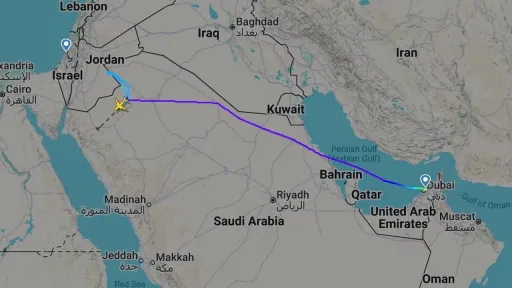
She was promised a new life as a hairdresser in Saudi Arabia, but instead found herself trapped in a sprawling compound, working 19-hour days for a family of 12.
"They did not give me enough food," Mariama recounts to TRT Afrika, the pain still fresh. "I only ate because I cooked for them."
Mariama story is not unique. Across West Africa, millions of domestic workers toil in the shadows of private homes, their contributions invisible, their rights often ignored.
In Kenya, another domestic worker, Grace*, knows this reality all too well. Forced into domestic labour at just 14 years old after her parents passed away, she worked for a wealthy family in Nairobi for three years without a single day off.
"I was never paid on time, and when I asked for my wages, they would say I was lucky to have a roof over my head," she recalls. Her voice cracks as she describes being locked in the house when the family went on holiday, left with nothing but scraps to eat. In Kenya, as in much of Africa, domestic workers are often euphemistically referred to as "house managers" or "house helps"—titles that mask the gruelling realities of their work and obscure their legal status as employees entitled to protection.
Dignity & fair treatment
For years, domestic workers have existed in a legal grey area, excluded from formal protections and vulnerable to exploitation. But a quiet revolution is underway in Sierra Leone. In a landmark move, the government, along with workers' and employers' organisations and international partners, is strengthening the legal and institutional framework to ensure that domestic labour is recognised as work—worthy of dignity, fair treatment, and social justice.
This commitment is being translated into action.
Building on its ratification of the International Labour Organisation (ILO)Domestic Workers Convention, 2011 (No. 189), and the enactment of the Employment Act 2023 as well as the Overseas Employment and Migrant Workers Act 2023, Sierra Leone has established a National Steering Committee on Convention No. 189. This tripartite-plus body brings together government, employers, and workers to coordinate implementation, strengthen social dialogue, and improve monitoring and accountability. It represents a pledge to move beyond simple ratification to tangible, on-the-ground improvements for domestic workers.
The urgency of this mission is clear. A recent workshop in Freetown, supported by the ILO, ECOWAS, and the EU, brought together labour inspectors and trade union leaders to tackle the unique challenges of inspecting private households. The discussions highlighted practical solutions to long-standing problems, such as informal employment, weak complaint mechanisms, and workers' fear of reporting abuse.
‘Essential workforce’
At the workshop, Minister of Employment, Labour and Social Security, Mohamed Rahman Swaray, reiterated the government's commitment, emphasising that domestic workers are an "essential workforce" who "deserve dignity, social justice and legal protection." He cited the importance of strengthening labour protection and enforcement so that domestic workers can benefit from national laws and international standards.



Obinna Ajugwo of the Directorate of Free Movement of Persons and Migration hailed Sierra Leone's commitment in protecting domestic workers in Africa and beyond, stating that while free movement is a right, it must be accompanied by protection.
"It is a legal obligation and a moral imperative to guarantee the dignity, rights and decent working conditions of migrant workers," he said.
Workers' organisations, such as the Sierra Leone Labour Congress and the Sierra Leone Domestic Workers Union, are central to this drive. Their participation ensures that the voices of domestic workers are heard and that they have accessible channels to report violations and seek support.
Job security
As Marx Conteh, Secretary-General of the Sierra Leone Labour Congress, warned, "The road from ratification to implementation requires vigorous, concerted action. Labour inspectors are the first line of defence in ensuring our labour laws are respected, and without effective enforcement they risk becoming mere words on paper."
For thousands of domestic workers, these reforms are more than just legislative changes. They signal a shift toward greater security, recognition, and confidence that their rights will be respected. By focusing on better social protection, standard employment contracts, and improved complaint mechanisms, Sierra Leone is working to build a system where domestic work is a source of empowerment—not exploitation.
As Sierra Leone forges ahead, turning political will into practical protection for its most vulnerable workers, a vision of a more just future emerges.
Alma Heroe, Executive Director of the Sierra Leone Domestic Workers Union, emphasises the urgency of domestic worker protection.
"Let us commit ourselves to building systems that make domestic work a source of empowerment—not exploitation," Heroe states.
It is a vision that offers hope to Mariama, Grace, and countless others that their labour will finally be met with the dignity and respect it deserves.
*Names have been changed to protect identity