 Pauline Odhiambo
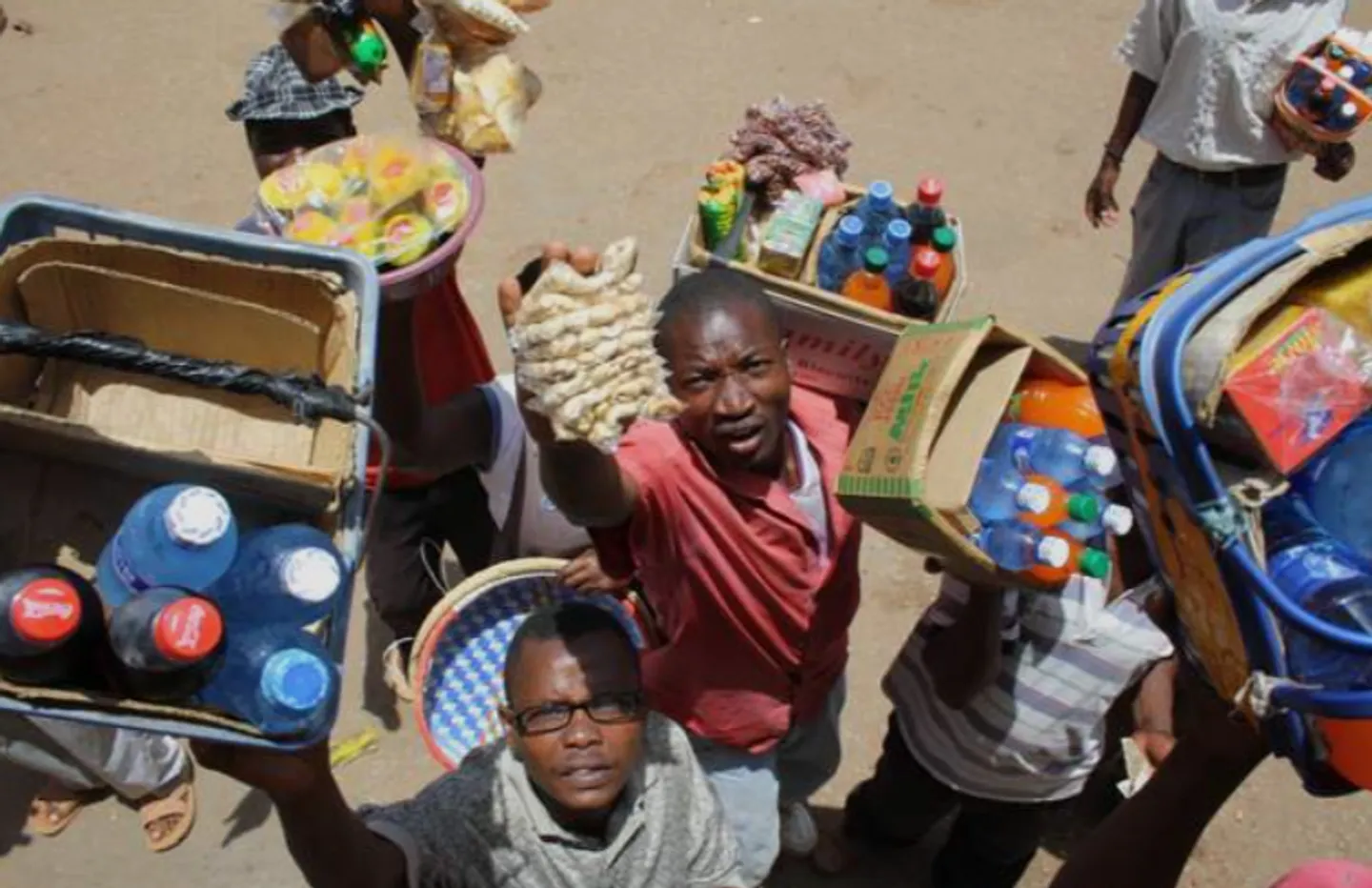
Grace Muthoni wakes before dawn each day to make the journey to Gikomba Market in Nairobi, where she sells second-hand clothing. For seven years, she has built her business from a small table to a modest stall, supporting her two children through school fees and rent. But lately, she has watched her customers drift to neighbouring stalls owned by Tanzanian and Ugandan traders who, she claims, can undercut her prices with impunity.
"I am a mother of two, and I cannot afford to compete with the Tanzanians selling mitumba next to my stall," Grace tells TRT Afrika, her voice carrying the weariness of someone fighting an uphill battle.
"They bring stock that undercuts my prices, and my customers go to them. We pay the same rent, but they seem to have access to cheaper goods. It is not fair competition."
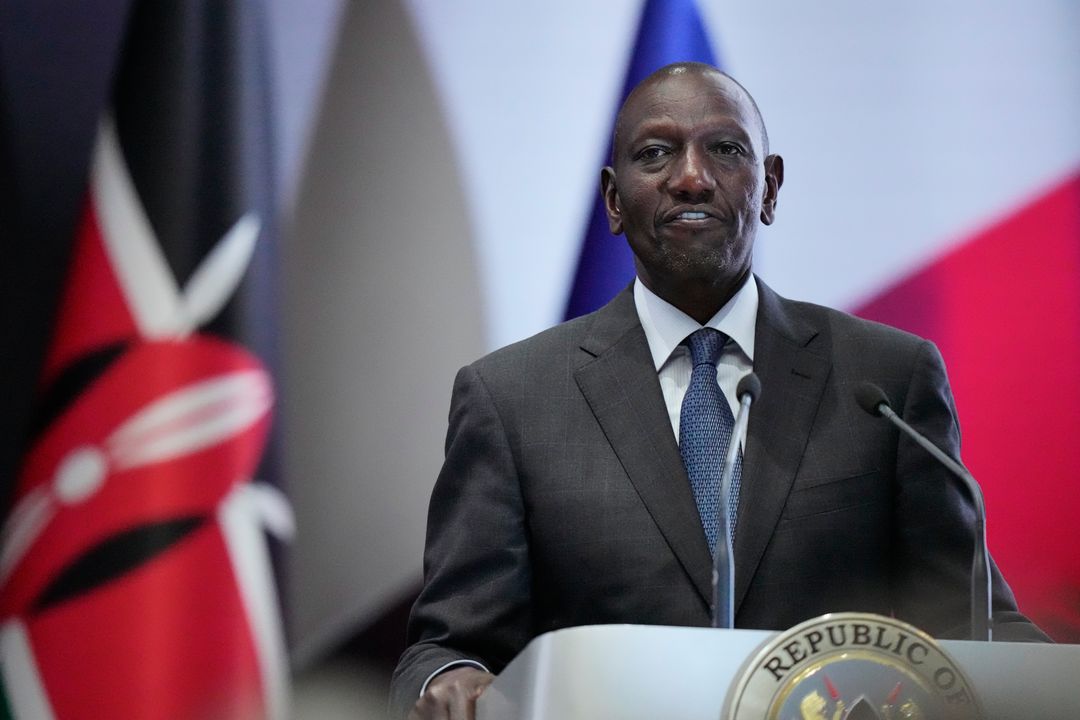
Grace's frustration is one that Kenyan President William Ruto has chosen to address with a dramatic and decisive action.
‘No foreign hawkers’
On Wednesday, 2 September, the atmosphere at State House in Nairobi was charged. Micro, small, and medium enterprise (MSME) traders had gathered for a meeting with the President, perhaps expecting the usual reassurances about the economy. Instead, President William Ruto delivered a stark and specific warning for the foreign nationals he said were crowding the local market.
"All those traders doing those small businesses should close them," Ruto declared, setting a deadline of 7 September for compliance. "The investor confidence we have built is for investors to come to Kenya, not hawkers and traders. People should not confuse us."
The president's message was unambiguous: hawking and small-scale retail are now reserved for Kenyans.
"It cannot be that a person comes from China or elsewhere to be a hawker or open a small shop," he said, singling out Asian traders in particular.
However, analysts note that while Chinese nationals are visible in electronics and hardware, the majority of foreign nationals who could be affected by the planned crackdown are actually fellow Africans—largely from neighbouring countries.
The regional migrants are mostly drawn by Kenya's position as East Africa's economic powerhouse, with a GDP of $147.3 billion according to April 2026 data from the International Monetary Fund.
Legislative backdrop
The President's directive comes as the Kenyan Parliament deliberates on the Local Content Bill 2025, proposed by Laikipia Woman Representative Jane Kagiri. The Bill is highly protectionist, aiming to drastically limit foreigners’ participation in small businesses.
Under the proposed legislation, foreign companies would be required to ensure that at least 80 percent of their workforce are Kenyan citizens. Furthermore, firms would need to source at least 60 percent of their goods and services from local suppliers.
The crackdown targets a wide spectrum of foreign-owned enterprises, from street vendors selling food to small retail shops.
There are concerns that the planned crackdown could hit African migrants hard, many of whom engage in businesses such as selling food items, second-hand clothing, boutiques and cosmetics, among others. It remains unclear whether the closure will affect foreigners' small businesses that are currently legally registered with the government and are complying with tax laws.
Ruto’s vision





In January, President Ruto reportedly met with representatives from various city markets across Kenya. The meeting centred on government investment in market infrastructure and expanding credit access for small traders—a stark contrast to the protectionist stance of September.
During that January gathering, the President outlined plans to modernise market facilities, improve sanitation, and provide affordable loans to MSMEs through government-backed credit schemes. The discussion revolved around how to empower Kenyan traders through better facilities and financial inclusion, recognising that infrastructure deficits and lack of affordable credit are often bigger obstacles to success than foreign competition.
This juxtaposition of meetings reflects the dual approach of the Ruto administration: protectionism on one hand, investment on the other.
Critics argue that removing foreigners without addressing underlying infrastructure challenges may leave Kenyan traders in just as precarious a position.
Anti-foreigner sentiment
Some analysts have expressed concern that the Kenyan decision could create a situation reminiscent of the wave of anti-immigrant sentiment in South Africa, where nationals of other African countries and their businesses are targeted.
A similar law in Ghana had also caused tensions between local Ghanaians and Nigerian traders in the past, before the situation improved following engagement between the governments of the two West African countries.
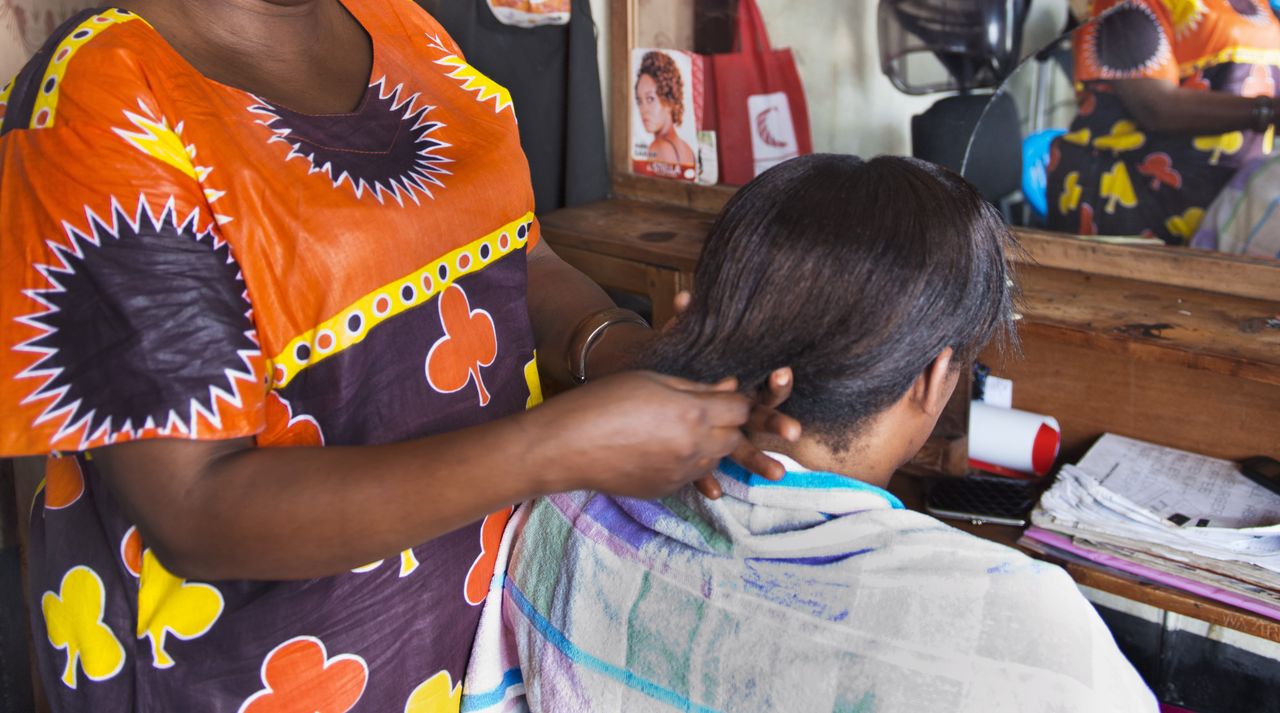
But Kenya is not acting in isolation. The move aligns Kenya with neighbouring Tanzania, which introduced formal restrictions on foreign participation in 15 sectors—including retail trade, salons, and mobile-money services—under the Business Licensing Order of 2025.
This regional trend toward protectionism may signal a shift in East Africa's economic integration.
For President Ruto, the crackdown is a move aimed at protecting the "bottom of the pyramid." He urged local traders to move beyond buying and selling and venture into manufacturing, challenging them to take advantage of government initiatives to grow their enterprises.
Business ‘survival’
But as the 7 September deadline approaches, questions linger: Is this necessary protection of local livelihoods, or the beginning of economic nationalism that could harm Kenya's standing as a regional business hub?
Nestor Bunyoni, a Burundian national who runs a cosmetics shop in Nairobi's Eastleigh suburb, feels uncomfortable with the move.
"We are not stealing opportunities; we are creating jobs for Kenyans. I employ three Kenyans in my shop," he says. "This is a blanket order that ignores the contribution we make."
With the enforcement of Ruto’s order is set to begin, small scale traders like Grace Muthoni hope they will finally get the space they deserve. For Grace, the order is not about politics or regional diplomacy—it is about survival.
"I do not hate anyone," Grace says quietly, while folding pairs of faded jeans into neat displays in front of her stall. "But if they go, maybe my children will eat more than ugali and vegetables this month. I have prayed for this day. Now I pray it works."