Namibia has granted environmental clearance for an offshore phosphate mining project that paves the way for the world's first commercial seabed-dredging operation for the mineral, despite opposition from green groups and the fishing industry.
Deep-sea mining seeks to tap previously untouched seabed deposits of a range of commodities, including cobalt and nickel, but the fledgling industry has long been stalled by environmental concerns.
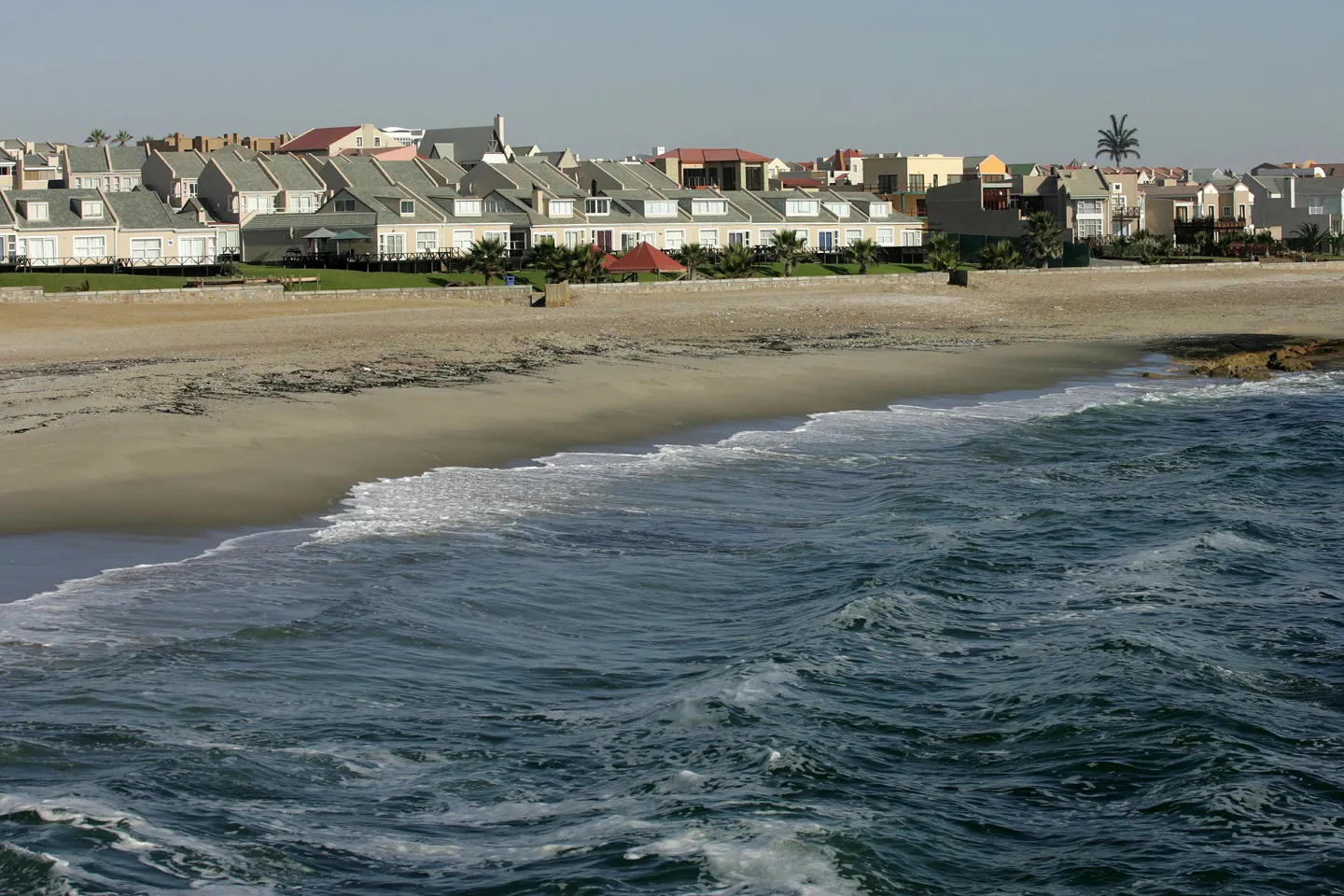
The government certificate issued this month is the next step in plans by Namibian Marine Phosphate (NMP) to dredge the ocean floor around 120 kilometres (75 miles) off the town of Walvis Bay for the key ingredient of fertilisers vital to agriculture.
NMP said the clearance does not mean it will immediately begin commercial mining operations as it still needs to complete permitting, including for the necessary land-based infrastructure.
Environmental concerns
But the certificate has raised alarm among conservationists, with the Confederation of Namibian Fishing Associations reportedly threatening to challenge its validity.
Should it go ahead, the Sandpiper Project would be a world-first, with other offshore phosphate mining projects having been held back by environmental concerns.
NMP has said it envisaged controlled dredging across approximately 1.7 square kilometres (0.65 square miles) annually to produce three million tonnes of phosphate concentrate per year.







Over the 20-year licence period, this would represent the equivalent of 0.002 percent of Namibia's seabed, it said after the clearance was announced.
However, "no immediate or urgent commercial operations are planned by NMP," said the group, which is 85 percent owned by an Oman-based mining company.
Decade-long silence
The government's announcement that the environmental certificate had been cleared ended a decade-long silence about the project.
The group was given a licence in 2011 but came to a standstill in 2013 over concerns about the impact on marine ecosystems and Namibia's multi-million-dollar commercial fishing industry.
The Ocean Conservation Namibia non-profit group said the project "threatens to turn Namibia's marine ecosystem into an untested experimental zone, putting our ocean habitats, water quality, and local fisheries at immediate risk."
"Marine phosphate mining at this scale has never been conducted anywhere in the world," it said after the certificate was issued.