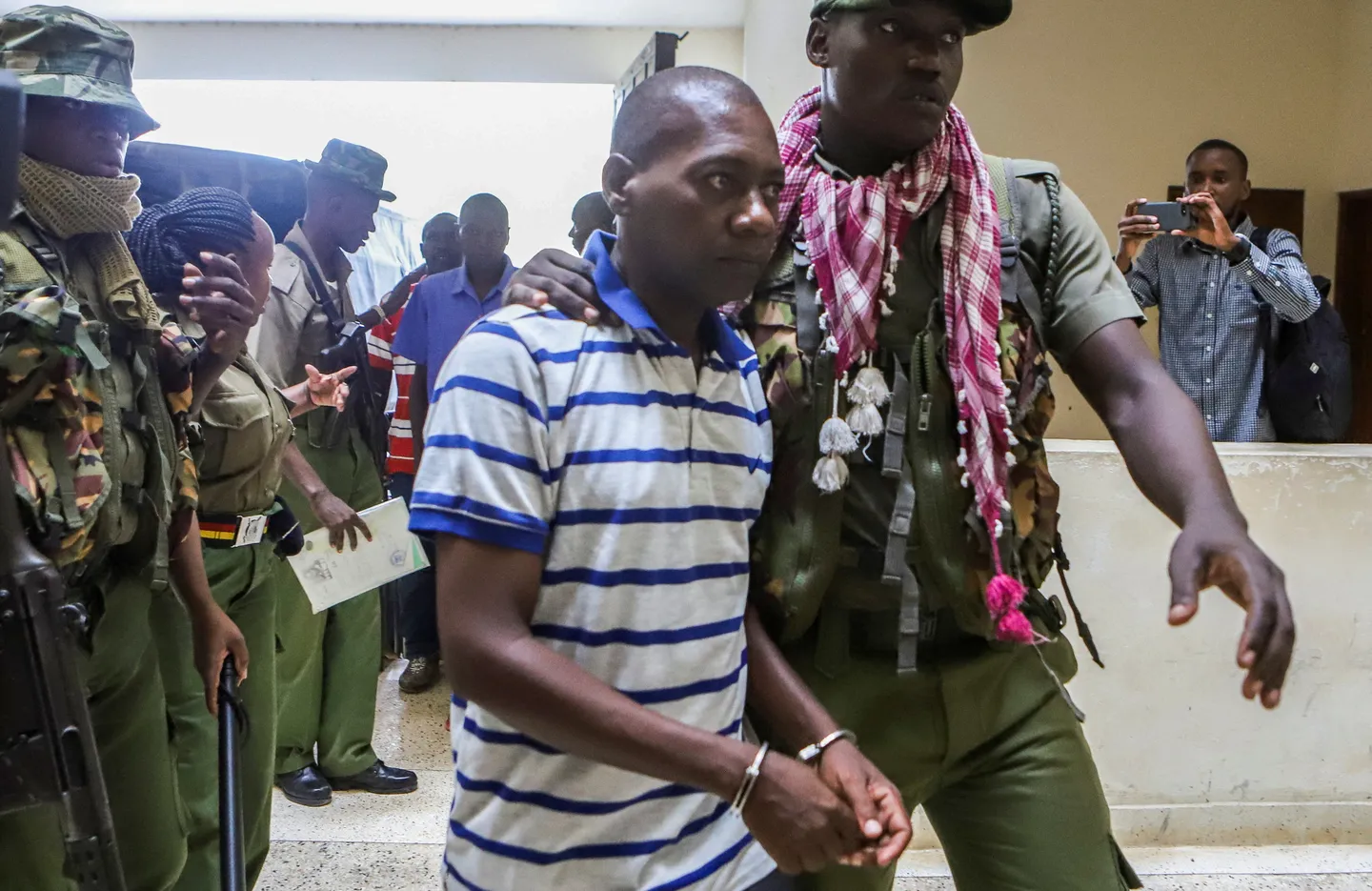
A Mombasa court will deliver a long-awaited verdict on Monday in the trial of a self-proclaimed Kenyan preacher Paul Mackenzie, and his associates, accused of murdering 191 people, mostly children, in an infamous starvation cult.
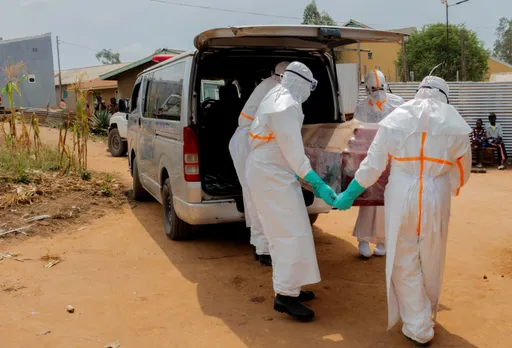
Hundreds of bodies were discovered in 2023 inland from the Kenyan beach resort of Malindi, in what became known as the "Shakahola Forest Massacre". One of the world's worst cult-related tragedies made global headlines.
Self-proclaimed pastor Mackenzie and his associates pleaded not guilty to 191 counts of murder in 2024. He faces additional charges of manslaughter and terrorism for which he has also pleaded not guilty in separate cases.
In the three years since the grisly discovery, more bodies of children, women and men have been unearthed in the surrounding area, bringing the total to well over 400.
Packed courtroom
Relatives of the victims were expected in court, many making their way to Mombasa from rural communities along the coast.
Mackenzie is alleged to have incited his acolytes to starve to death in order to "meet Jesus".
The case has appalled Kenyans, many of who have called for tougher regulations on religious organisations.
During the trial, the court heard from more than 120 witnesses on events between 2021 and 2023 in the 800-acre (325 hectare) ranch in Shakahola Forest.


‘Hierarchy of death’
The prosecution alleges that Mackenzie "initiated and directed" the extreme fasting, claiming there was a "structured hierarchy of death" which saw children first, then teens, women, and then men.
The prosecution says the children "died from starvation, features consistent with starvation, asphyxia, neck compression and traumatic head injury", drawing on evidence from post-mortems and police.
Mackenzie's lawyers have said the case is "largely founded on circumstantial evidence, hearsay accounts and inconclusive forensic findings".
Mackenzie was arrested in April 2023, after some followers were rescued when a rights group tipped off the authorities.
The subsequent police operation exposed hundreds of shallow mass graves, the soaring death toll requiring a pause in excavations as local morgues ran out of space.
Kenya National Commission on Human Rights in 2024 said the death toll was 429. To date, some victims are still unidentified.