A war thousands of miles away is feasting on Kenya's profits, one shipment at a time. The Middle East is the country's main market for meat exports but shipments have recently been reduced to a trickle.
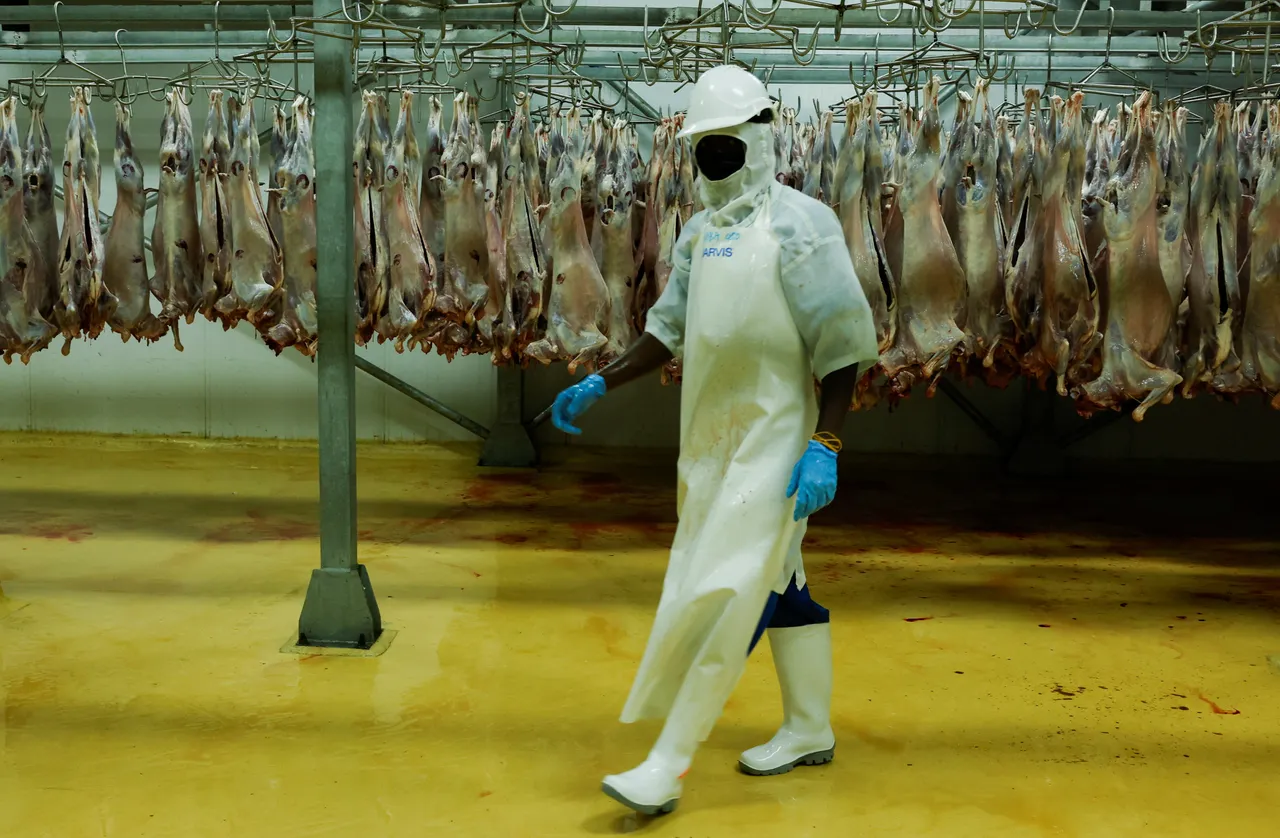
“This place used to be full but now it’s empty. We don't have livestock here now. This is one of the biggest slaughterhouses in East and Central Africa. We used to slaughter 10,000 to 11,000 animals per day, but today we we cannot even slaughter 1,000 animals per day because of this conflict in Middle East,” Abdullah Mamo, the manager of Neema Slaughter House in Nairobi told TRT Afrika.
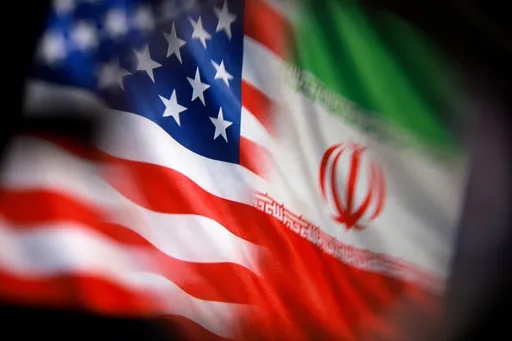
The war paused for two weeks on Wednesday amid fresh diplomatic talks between the US and Iran. Negotiations between the two countries will begin on Friday, April 10, in Pakistan’s capital, Islamabad.
But most cargo flights serving the Middle East region are yet to resume full operations.
About $2.3 million-worth of Kenya’s beef, lamb, mutton and goat meat heads to the Middle East every week. Most of it goes to the United Arab Emirates, with Saudi Arabia, Iraq, Oman, Kuwait, Bahrain and Jordan also taking significant volumes.
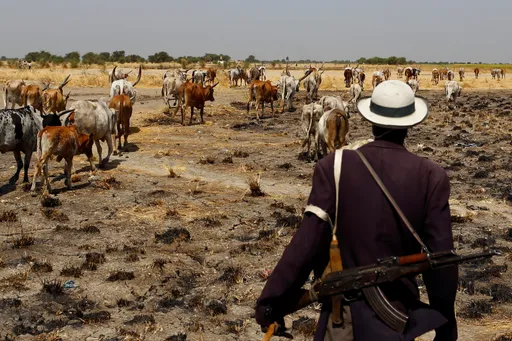
The disruption has affected the entire supply chain, from exporters and slaughterhouses to livestock traders and farming communities.







“This war has affected so much. I wish this war can come to an end so that we can. go back to our business properly,” Anne Wangari, a meat exporter told TRT Afrika.
“We no longer get the orders from the Middle East, which is a major source of our income because they import meat from us. Like now, I have stayed like three weeks without money in my pocket. It's getting worse each and every day,” Nick Munyiri, another exporter, said.
“We used to export to Dubai, Oman, Iraq, Saudi Arabia, even Iran, and now there's no product going there. This cold room is empty and we have about 10 units of cold rooms, now only two have carcass,” slaughterhouse manager Mamo said.
“Generally we used to fill this place with meat, but today we just slaughtered 1,000. So, that is now the level we are moving, even sometimes less than that. Yesterday, we slaughtered just 800. Imagine we have about 500 employees here. Even to pay them, it is becoming difficult for us now.”
There are concerned that a prolonged disruption will lead to distress sales among farmers and reduce herd sizes, jeopardising long-term recovery in the long-term.