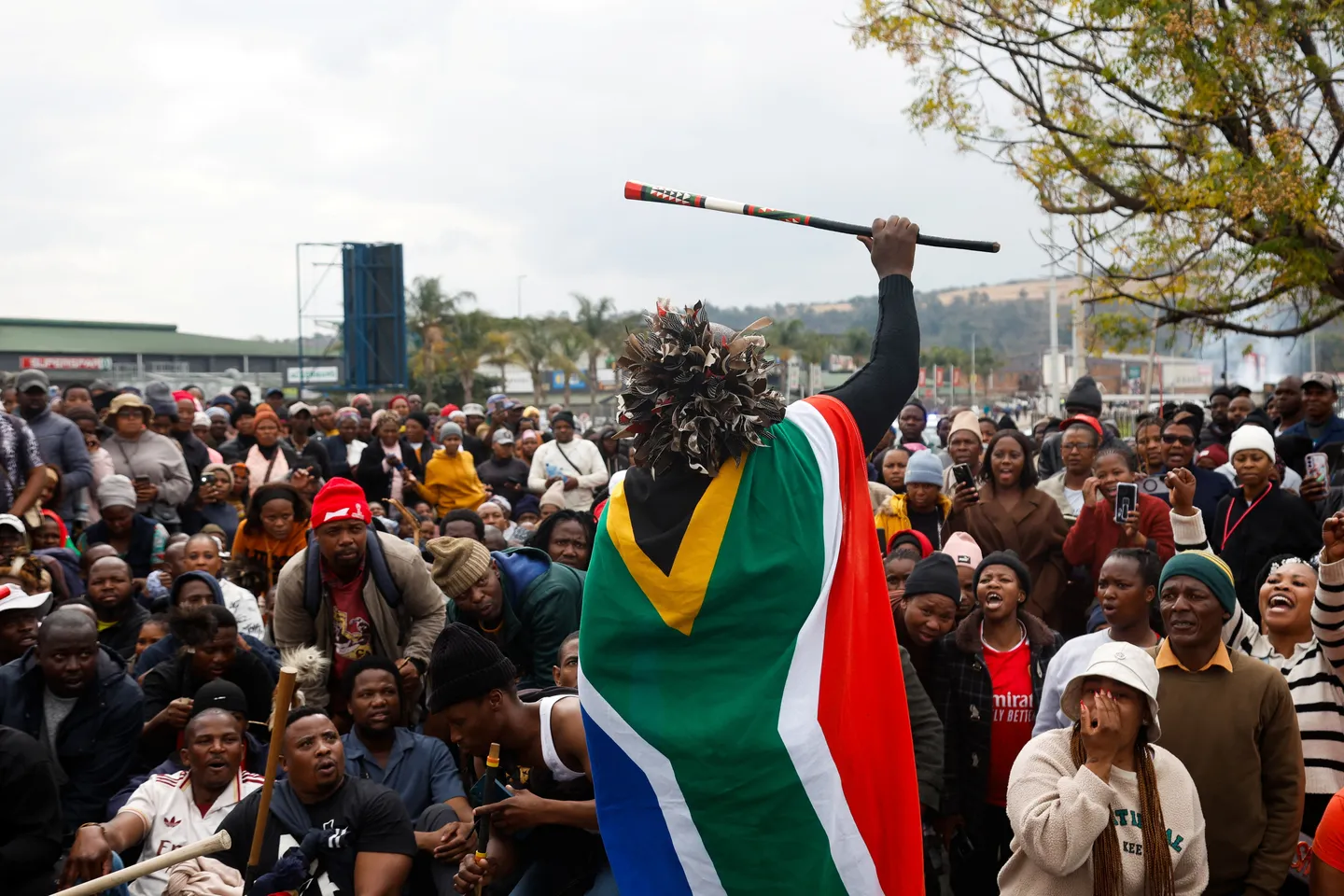
South African anti-migrant group, March and March, has confirmed the death of one of its regional leaders who was gunned down in an alleged assassination, state broadcaster SABC reports.
Andile Somgxada, who led the group in Gauteng, was shot while leaving his home early this month and succumbed to his wounds last Thursday, although the death was reported on Monday.
A spokesman of the group was quoted as saying that some of their leaders had been receiving death threats over their controversial position on illegal migration.
“March and March has been receiving death threats in this case of our leader in Ekurhuleni. So, we confirm that there’s a number of death threats that we are receiving throughout South Africa for wanting what’s best for the South Africans,” Sandile Dube said.
53,000 repatriated
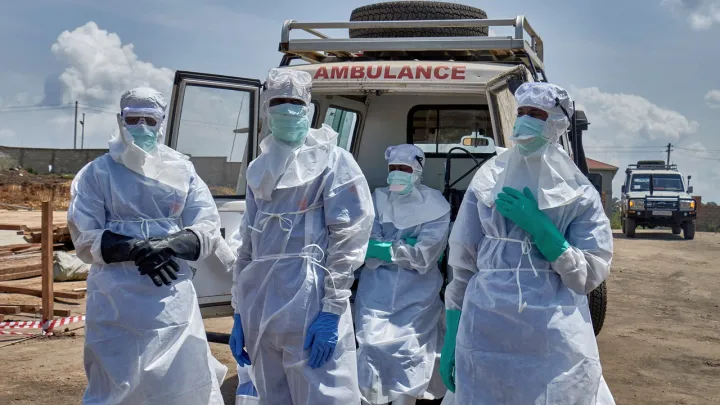
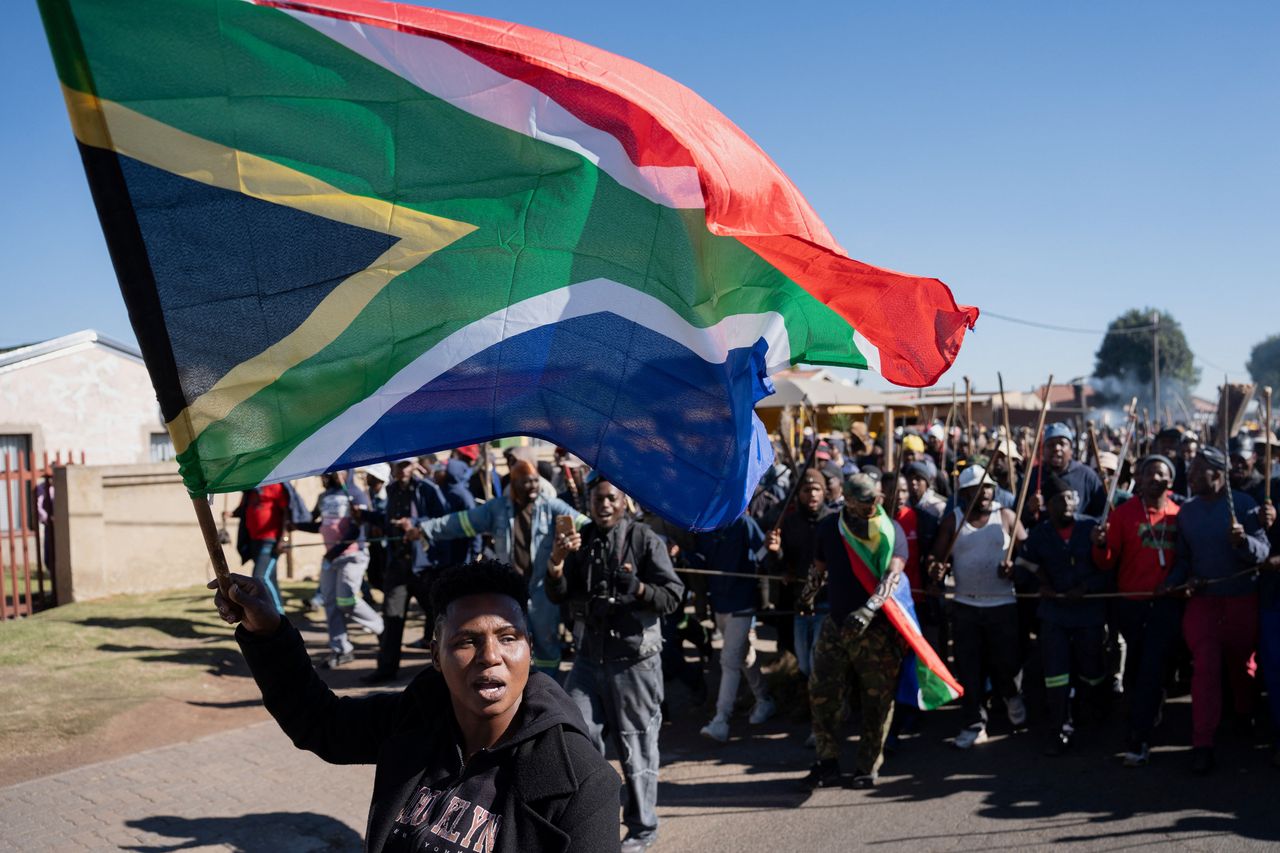
South Africa has deported or repatriated more than 53,000 African immigrants in the space of a month in a crackdown by authorities that has coincided with a series of sometimes violent protests against illegal migration.
More than 80% of the immigrants sent home were from Malawi, South African Justice Minister Mmamoloko Kubayi said Sunday.






Officials did not give a breakdown of how many were deported and how many took up offers of voluntary repatriation.
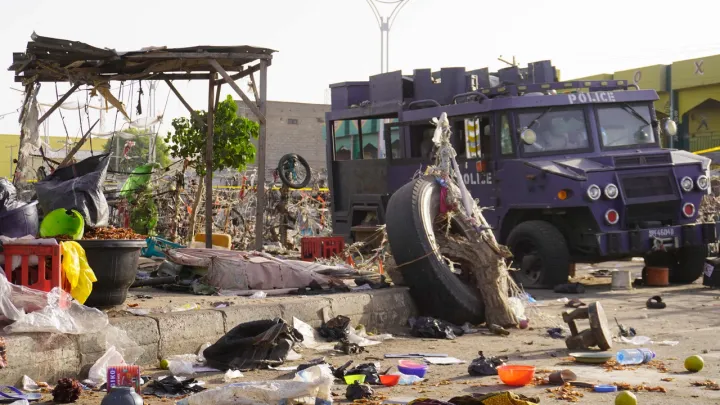
Nigeria, Ghana and Mozambique have said some of their nationals were killed during the protests, although South African officals have rejected attempts to link the deaths to the anti-illegal immigrants protests.
Several African countries have provided planes and buses to bring their citizens home during a surge in anti-immigrant sentiment in South Africa in recent months that has sparked some attacks against foreigners and left parts of the country on edge.
Border security
Immigrants from Malawi, Zimbabwe and Mozambique made up the majority of the migrants deported or repatriated, but they also included citizens of Nigeria, Uganda and Kenya, South African officials said.
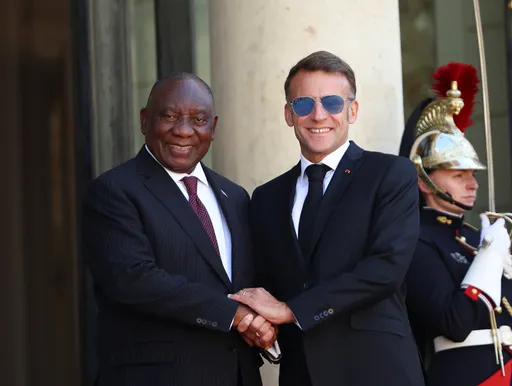
South African President Cyril Ramaphosa announced new plans last month to strengthen border security and enforce immigration laws in Africa's most developed economy, and acknowledged rising tensions over the issue.