 Pauline Odhiambo
The dry season wind carried more than just dust through the streets of Badagry, Lagos State, when 12-year-old Nwandieze Fortune Onyedikachi first felt the relentless pounding in his head. What began as a persistent headache, dismissed by many as a common illness, rapidly spiralled into a life-threatening battle with cerebrospinal meningitis.
Within days, fever, chills, and severe neck stiffness set in, leading to terrifying hallucinations and debilitating pain. His parents rushed him to a hospital, where he was diagnosed with spinal meningitis, a disease that had already claimed another child in the isolation ward beside him.
While Nwandieze survived without permanent damage, the young girl in the neighbouring bed was not as fortunate; she lost her hearing, a stark testament to the devastating disabilities meningitis can leave in its wake.
More than a thousand miles away in the arid regions of Niger, a similar story unfolded during a severe epidemic. A study following survivors of a 2022 outbreak of Neisseria meningitidis serogroup C found that 12% of those who lived through the infection suffered from severe, life-altering after-effects.
For survivors of the confirmed strain, the figure was even higher, at 18%, with many experiencing hearing loss, paralysis, and epilepsy. The disease is a swift and merciless enemy, claiming hundreds of thousands of lives each year and leaving countless others with lifelong disabilities.
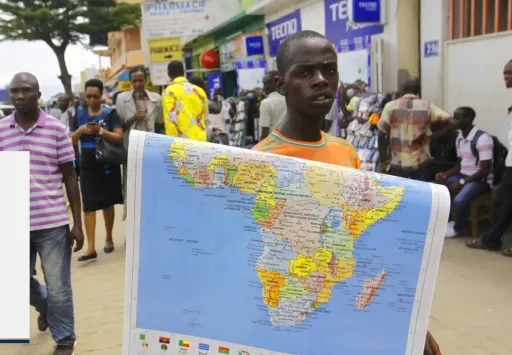
This is the reality for millions living in the "Meningitis Belt," a swath of 26 countries stretching from Senegal to Ethiopia, where outbreaks are a recurring, deadly threat.
‘Revolutionary’ vaccine
However, amidst the challenges, a powerful momentum is building across the continent. Countries are accelerating their action, shifting from acknowledging the problem to implementing concrete solutions.
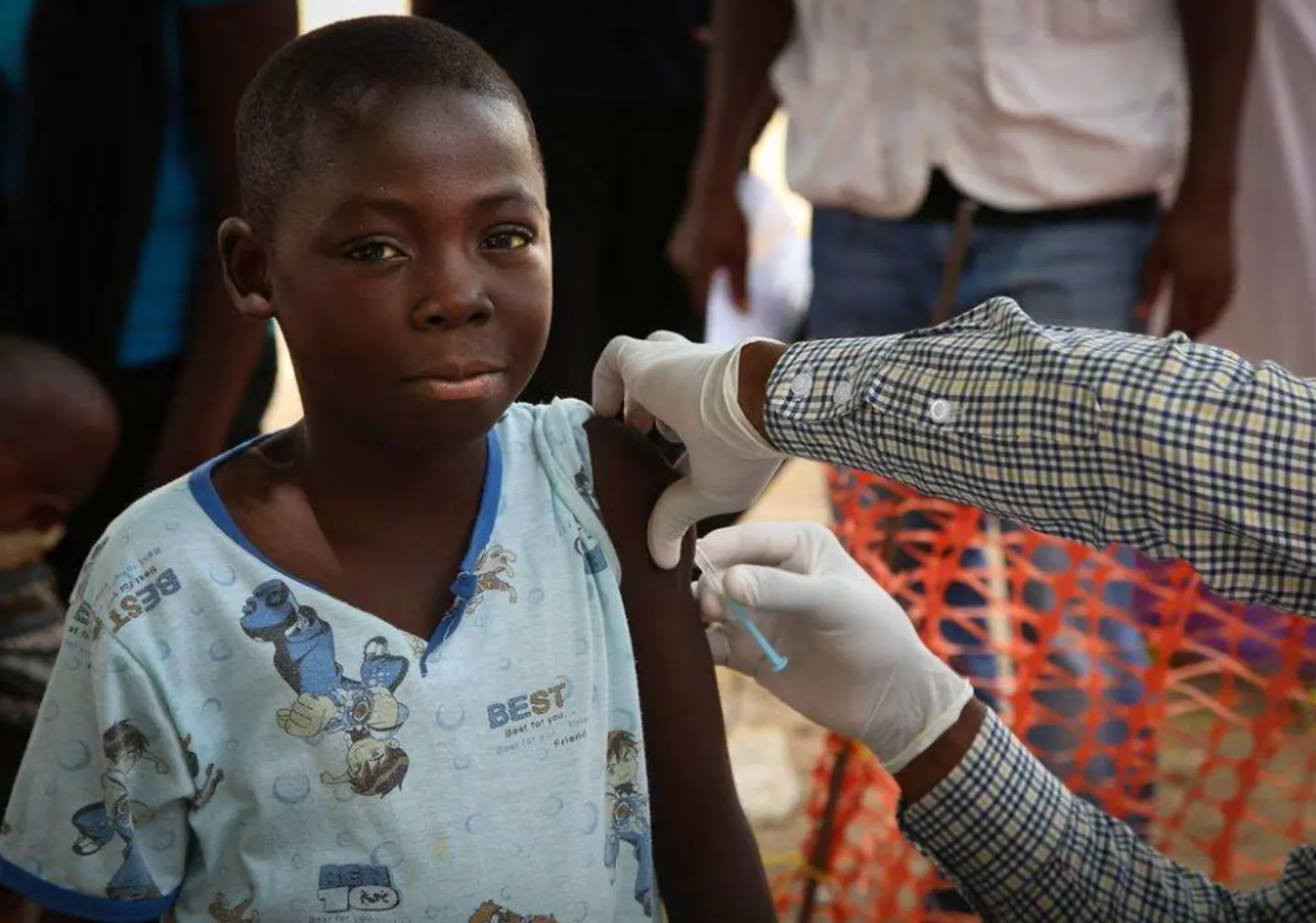
For years, the fight relied heavily on reactive measures—waiting for an outbreak to occur before launching emergency vaccination campaigns. This approach was costly and often came too late. But the battle has turned a corner. The introduction of the revolutionary MenAfriVac vaccine, developed through a unique collaboration, effectively eliminated serogroup A meningitis in the region, with no reported cases since 2017.
Now, the focus has turned to defeating the remaining strains. A new, powerful pentavalent vaccine, designed to target the five most common meningococcal serogroups in Africa, has been prequalified by the WHO and is being rolled out, with Nigeria leading the way. This new tool offers a credible pathway to stop outbreaks before they start.
To support this momentum, the World Health Organization (WHO) recently convened pivotal regional workshops in Copenhagen and Cairo. These were not just conferences; they marked an important shift from developing global guidance to supporting country implementation. In Copenhagen, public health leaders focused on strengthening surveillance and laboratory systems to improve outbreak detection. In Cairo, countries worked together to review and strengthen their national meningitis plans and identify implementation priorities. The goal was clear: to ensure that the new tools available would be used effectively.
Progressive partnerships








Dr. Githinji Gitahi, Group CEO of Amref Health Africa, understands the urgency intimately. Having lost a family member to the disease and cared for afflicted children as a medical professional, he knows the devastation firsthand. He emphasises the need for a multifaceted approach, calling for a collective effort from African governments, civil society, and the private sector to achieve universal health coverage and ensure equitable access to the new pentavalent vaccine.

This collaborative spirit was echoed in the workshops.
Countries, despite having different health-system capacities, identified common priorities: strengthening immunisation programmes, enhancing laboratory confirmation, updating clinical guidelines, and improving care for those living with the aftermath of meningitis. They reviewed each other's national plans and shared practical solutions to common challenges, learning not just from fellow African nations but also from the experiences of countries like Brazil and the United Kingdom.
"The momentum we are seeing across countries is encouraging," said Antoine Durupt, Coordinator of the Defeating meningitis by 2030 global road map at WHO. "When countries share knowledge, learn from one another and work together across WHO regions and partners, they build stronger meningitis programmes that save lives, reduce disability and bring us closer to the goal of defeating meningitis by 2030."
Surviving meningitis
"There are still just over four years until the Road Map's goals are due to be met," warns Vinny Smith, Chief Executive of Meningitis Research Foundation, speaking to the urgency of the fight. "This means four years to raise our voices, work together and push for change."
The progress made is tangible, with deaths from vaccine-preventable bacterial meningitis having fallen by more than a fifth since 2015. However, the pace is still not enough. Sustained investment in surveillance, vaccination, and care is critical to ensure that the global targets to defeat meningitis by 2030 are met and that the most vulnerable are protected.
Looking ahead, continued technical support, regular follow-up and regional collaboration will be essential to sustain momentum and translate plans into measurable impact. Proposed next steps include establishing regional communities of practice, providing targeted technical assistance and sharing practical tools and experiences to support implementation.
The voices of those who have lived through this disease are the most powerful drivers of this momentum. For Nwandieze Fortune Onyedikachi, who miraculously escaped without any lasting effects, his survival is a call to action and a testament to the power of intervention. As he reflects on his journey, he offers a message of hope and resilience:
"Meningitis remains a formidable public health challenge, but with timely intervention and proper care, more lives can be saved, and more survivors can live without debilitating consequences."