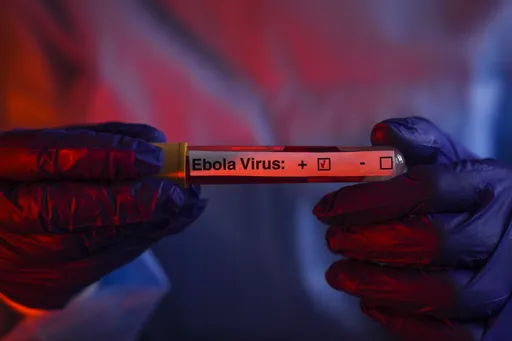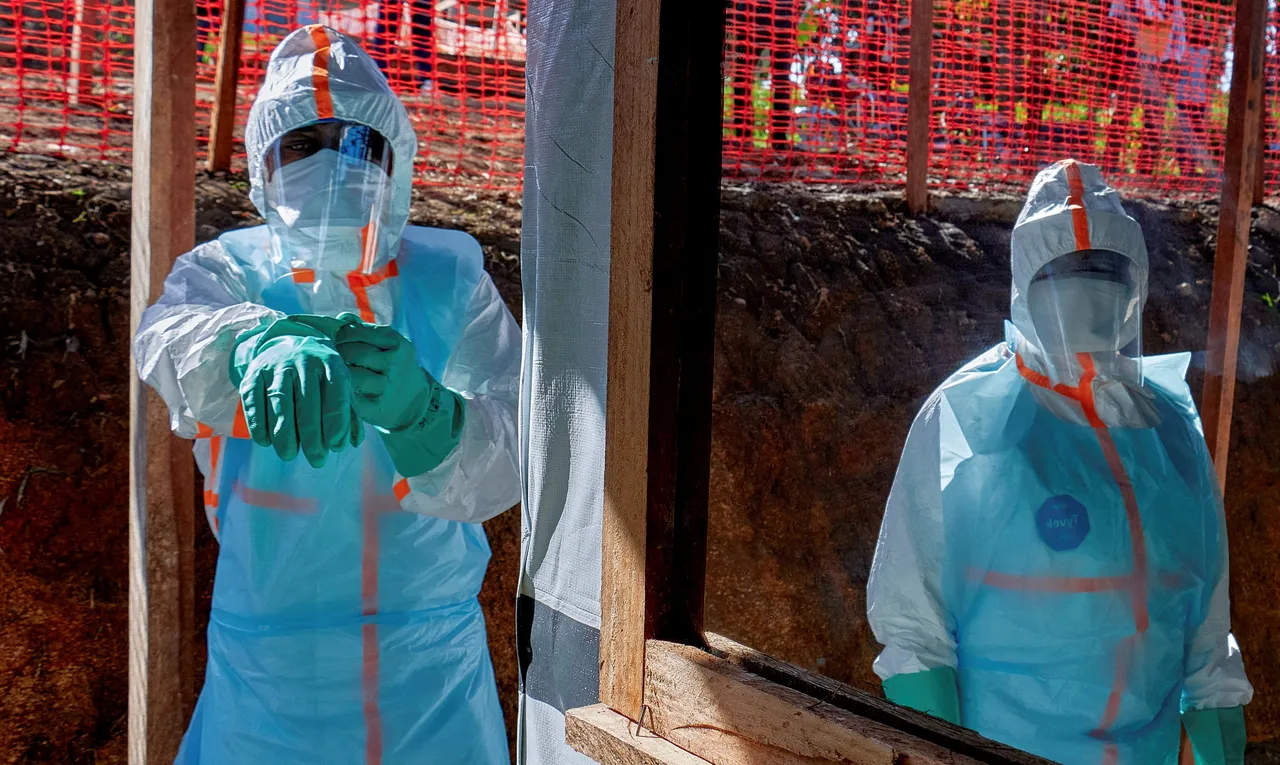
The World Health Organization and the African Union's public health agency said Friday that $518 million was needed across the next six months to combat the deadly Ebola outbreak in the DR Congo and its neighbours.
The WHO and the Africa Centres for Disease Control and Prevention said their continental preparedness and response plan would last from June to November.
The outbreak was declared on May 15 in northeastern DR Congo, but the rare Bundibugyo species of the Ebola virus is believed to have spread for some time beforehand.
According to the WHO's latest figures, there are 381 confirmed cases in the DRC, including 64 deaths.
The outbreak has hit three provinces, with the epicentre in Ituri, which the Africa CDC says accounts for 90 percent of confirmed cases and 76 percent of confirmed deaths.
Across the northeastern border in Uganda, there have been 16 confirmed cases, including one death.
Seven Ebola patients in the DRC and two in Uganda have recovered.
‘Practical plan'
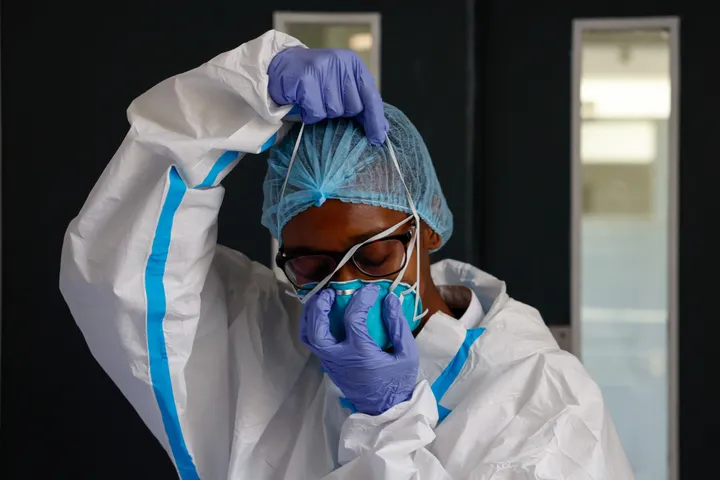
"The plan focuses on core areas: emergency coordination, surveillance, laboratory testing, infection prevention and control, clinical care, and community engagement," WHO chief Tedros Adhanom Ghebreyesus told a press conference by video.
"This is a practical plan. It sets out what we need to do now, together, to contain the current outbreak and reduce the risk of further spread.
He said it would last until November and would cost $518 million.
"The objective is straightforward: we need to stop the outbreak where it is, support countries that are responding today, and ensure that neighbouring countries are ready to detect and act quickly if cases appear."
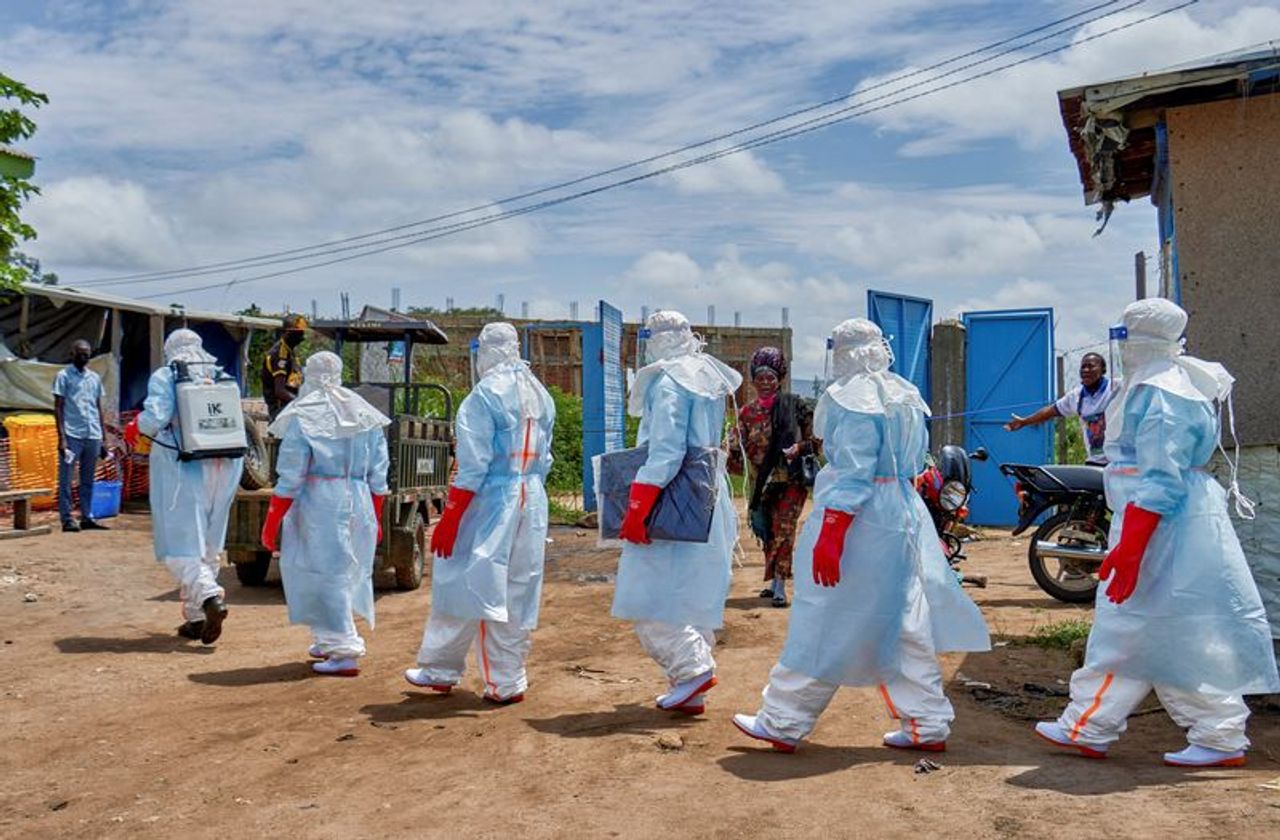
Besides the WHO and Africa CDC, the $518 million would also help the UN children's, food and refugee agencies and the Red Cross.


‘Outbreak very serious’
The current Ebola battle is bigger than the two previous recorded outbreaks of the Bundibugyo strain, in 2007 and 2012, according to the Africa CDC.
"This outbreak is very serious," the organisation's chief Jean Kaseya said.
He said there were still more than 250 suspected fatalities which needed to be tested.
Kaseya said financial pledges had been made for nearly all of the response plan -- but stressed that pledges did not yet equal money in the bank.
He also said more than 200 tonnes of equipment had been supplied so far to the DRC and Uganda.
Ebola, which is spread through close contact and bodily fluids, has killed more than 15,000 people in Africa over the past 50 years.
There are no approved vaccines or treatments for the Bundibugyo strain.
‘Outbreak expanding faster’
"This leaves us relying mainly on early detection, isolation, contracted tracing and supportive care," said the WHO's Africa regional director Mohamed Yakub Janabi.
"The level of risk we face today is not just shaped by the virus but the context in which it spreads," he said.
"The outbreak is expanding faster than before.
"This outbreak has moved across the borders almost immediately," he said, unlike previous outbreaks, and "with movement comes risk of regional amplification".