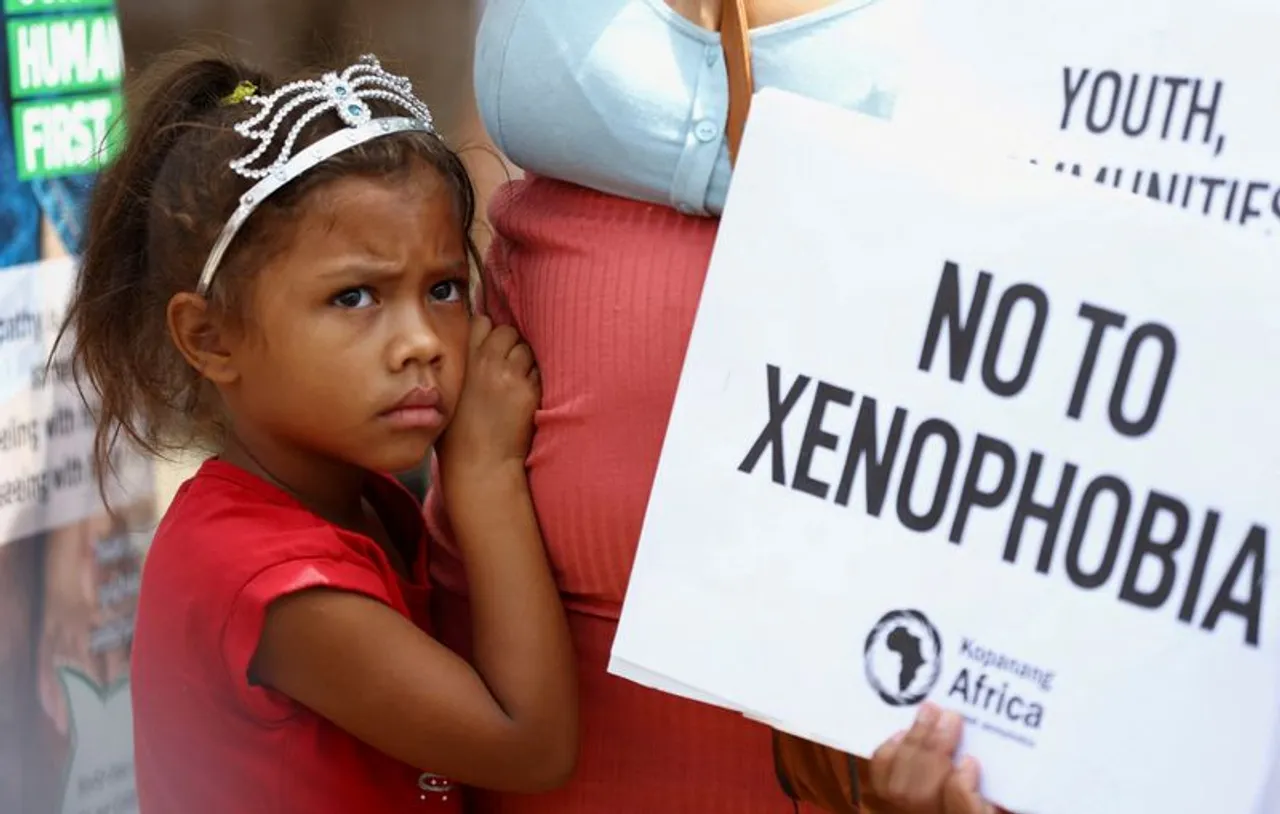
The videos are sickening. A Ghanaian woman dragged from her shop. A Nigerian trader beaten in broad daylight. South African citizens cheering as fellow Africans are robbed and humiliated. These are not isolated incidents. They are a recurring nightmare that South Africa refuses to wake up from.
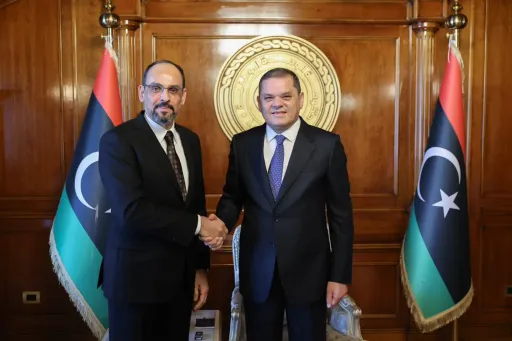
Ghana's Foreign Minister, Samuel Ablakwa, has now held urgent talks with South Africa's Ronald Lamola after viral footage showed Ghanaians being attacked. South African authorities have expressed concern and promised swift action. But how many times must we hear the same promises? How many African lives must be lost before "concern" becomes consequences?
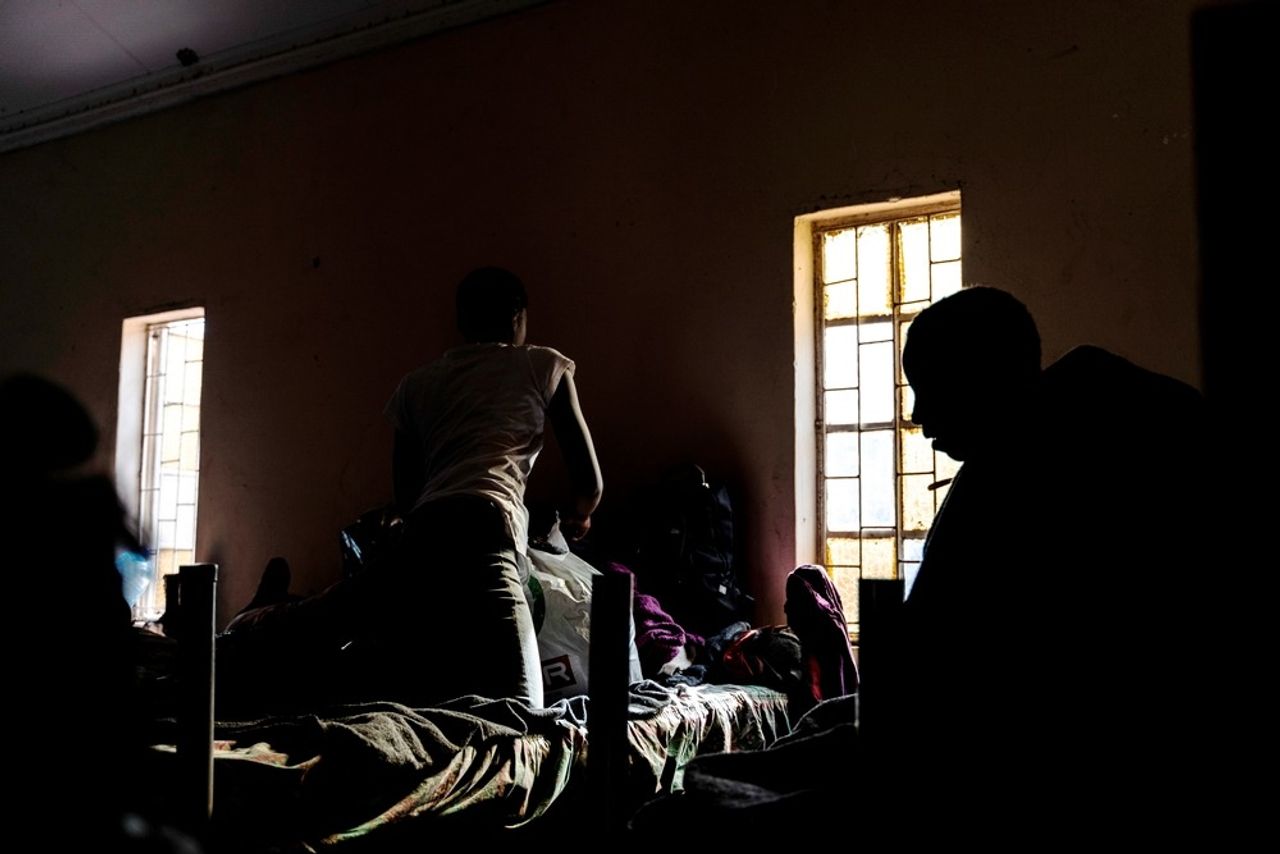
Let me be clear: South Africans have legitimate grievances. Unemployment stands at over 32%. Inequality is among the highest in the world. Service delivery fails millions daily. But the mistake is pointing fingers at other Africans rather than at the failed domestic policies and corrupt elites who have looted the country for decades.
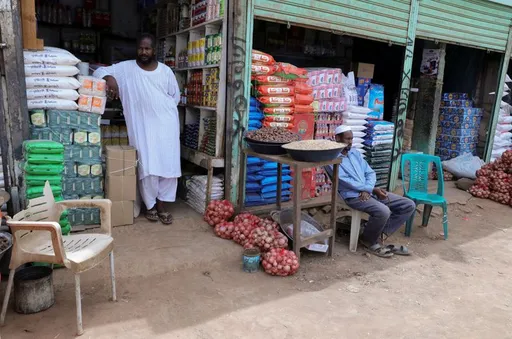
A Ghanaian shopkeeper selling rice in Soweto did not create South Africa's housing crisis. A Zimbabwean teacher in Limpopo did not crash the rand. A Malawian nurse in Pretoria did not design the broken energy grid. These fellow Africans are not the disease, they are scapegoats for a political class that has run out of ideas.
Here is the hard truth that South Africa's xenophobic mobs refuse to face: Other Africans are not the problem. They are the solution.
Trade economics
South Africa's own economy is deeply intertwined with the continent it now attacks. Consider these facts. South Africa exports over R800 billion (approximately $45 billion USD) worth of goods to the rest of Africa annually, from mining equipment to manufactured products, chemicals to agricultural produce. If just five African nations retaliated by banning South African imports, the Johannesburg Stock Exchange would plunge, the rand would collapse, and hundreds of thousands of South African jobs would vanish overnight.
That is not speculation. That is basic trade economics.
And the damage would not stop at goods. Currently, hundreds of thousands of South African citizens live, work, and thrive across Africa , professionals in Nairobi, traders in Accra, students in Kigali, missionaries in Lilongwe. If African nations decided to expel them in retaliation for attacks on their own citizens, South Africa would suddenly face a mass return of its own people needing housing, jobs, healthcare, and schools. An already fragile economy would break.




So let me ask the attackers directly: Who is really the burden now?
Ghana's Foreign Minister Ablakwa has confirmed that Ghana's mission in South Africa has located one of the victims seen in the videos and is providing consular support. That is good. But it is not enough. African governments must move beyond diplomacy and into collective action. The African Union's Xenophobia Monitoring Mechanism must be activated with real investigative powers. Member states must prepare coordinated economic and diplomatic responses to protect their citizens.
South Africa cannot continue to enjoy the benefits of African trade, African investment, and African goodwill while allowing its citizens to spill African blood. That is not Pan-Africanism. That is parasitism.
Walk the talk
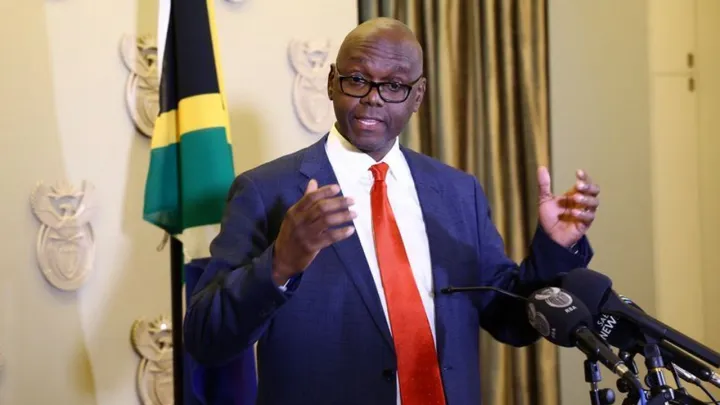
I call on President Ramaphosa and Minister Lamola to move beyond "concern" and "swift action", phrases we have heard for over a decade. Arrest the perpetrators. Compensate the victims. Launch public education campaigns that teach South Africans their economic dependence on the continent. And if the government cannot protect foreign nationals, then African nations must protect themselves, including considering travel advisories, trade reviews, and diplomatic consequences.
The African Continental Free Trade Area (AfCFTA) represents a $3.4 trillion economic bloc. But its success depends on trust. And trust cannot be built on the graves of Ghanaian traders or Nigerian business owners.
To my South African brothers and sisters: your anger is real, but it is aimed at the wrong target. The enemy is not the foreign national struggling beside you. The enemy is the elite that keeps you poor while dividing you along false lines of nationality. Do not let them weaponize your pain.
Africa is watching. And Africa will not forget.
The author, Kennedy Chileshe, is the Executive Director of Jubilee Leaders Network in Zambia