The World Bank has raised Africa's 2026 economic growth forecast to 4.3%, citing stronger performance across the region, and urged governments to embrace artificial intelligence to boost productivity and create jobs.
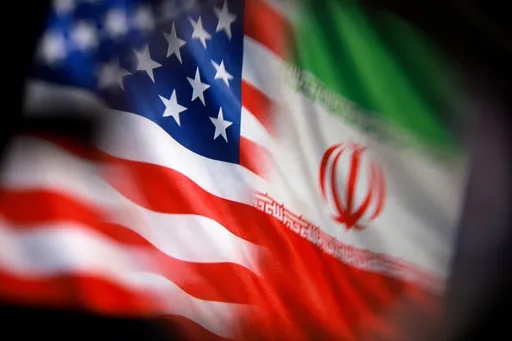
The region has weathered a tough global environment, the lender said in its Africa Economic Update report on Tuesday, marked by higher energy prices due to the impact of the Iran war on supply chains. The new growth forecast is up from the 4.1% expected in April. In 2025, the region's economy grew by 4.1%.
The upgrade shows growing confidence that reforms in some of Africa's biggest economies are paying off even as the Iran war roils global energy markets.
"Economic activity in Sub-Saharan Africa continues to demonstrate remarkable resilience, with growth forecasts upgraded for nearly three-quarters of countries in the region," Andrew Dabalen, the World Bank's chief economist for Africa, said.
Four countries' economic management improves: World Bank
Zambia, Nigeria, Ethiopia, and Angola all saw an upgrade to their growth forecast, the bank said, attributing gains to years of economic reforms and better economic management starting to pay off.
Risks remained, however, including a prolonged Middle East conflict, the El Nino weather phenomenon, high interest rates in advanced economies and elevated debt servicing costs, Dabalen said.




National debt loads in the region have stabilised with the debt-to-GDP ratio at about 57%, the World Bank report said, but about half of the countries are either in default or struggling to service their debts, pointing to persistently high debt service costs.
The World Bank, however, warned that faster growth is not translating into significant poverty reduction, with per capita income growth expected to increase only to 1.8% this year from 1.6% last year. "The next challenge is turning growth into more jobs and better opportunities," Dabalen said.
Investments in AI
He urged governments to focus on artificial intelligence (AI) investments to boost economic growth rates, pointing to massive investments in countries such as the US that lift global growth.
While Africa currently lacks the infrastructure to compete with larger economies on AI, it can still benefit from practical, low-cost applications on affordable devices, Dabalen said.
Examples include AI tools that support student learning, help farmers detect and manage livestock diseases, and automate tasks such as accounting for small businesses, he said.
Shared data centres and stronger data protection laws could help accelerate AI adoption, he added.