 Sare Şanlı
Ebola vaccine arrived in the Democratic Republic of the Congo after months of waiting, thousands of deaths and an outbreak that had already spread across several provinces. A reason to hope.
The DRC has received 70,000 doses of Ervebo. Of these, 50,000 are intended for frontline health workers, while 20,000 are reserved for a trial to find out whether the vaccine actually works against the strain causing this outbreak.
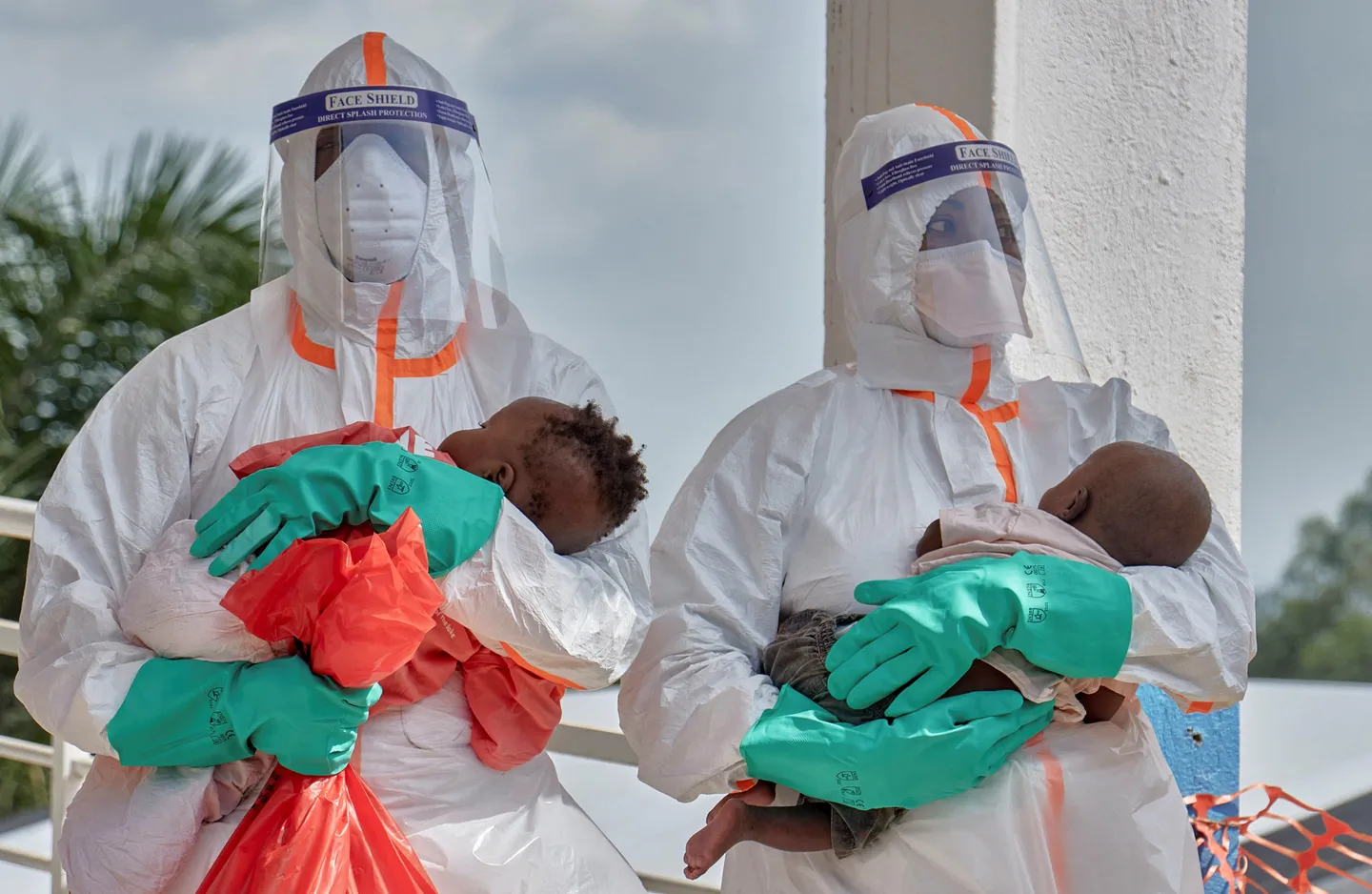
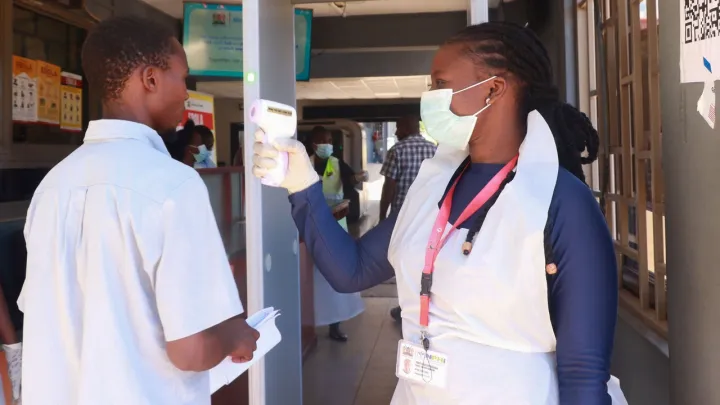
By mid-September, more than 3,000 frontline workers had been vaccinated, the ones putting themselves at the most risk just by showing up to work.
But then came the harder question.
What exactly had arrived?
This outbreak is caused by the Bundibugyo virus, not the more familiar Zaire strain for which existing vaccines were developed. Ervebo, the only licensed Ebola vaccine, was built and tested against Zaire. Whether it could protect people against Bundibugyo was still uncertain.
And the numbers are still getting worse.
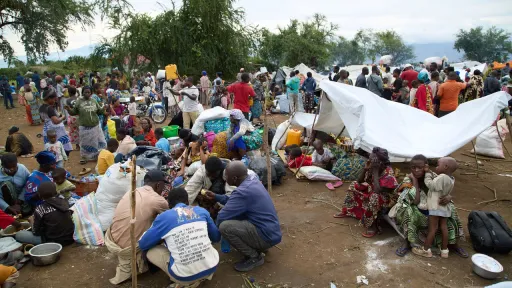
As of 6 October, 8,728 people had been confirmed sick in the DRC. Of these, 4,205 had died. That’s nearly one in two. The outbreak had spread across seven provinces and 64 health zones.
The virus is faster than the vaccine. It always has been.
The outbreak has also taken on a regional and international dimension. Uganda experienced an outbreak earlier in 2026, which was declared over in August. France also reported a case linked to the outbreak.
On 6 October, Kenya confirmed its first imported case of Bundibugyo Ebola, a Kenyan citizen who had travelled from the DRC through Uganda.
Why did it take so long for the vaccine to arrive? Why was no vaccine developed specifically for this strain? And why has the outbreak been so difficult to contain?
WHO has also warned about the funding gap. Appeals for emergency resources have not been fully met, leaving health workers to respond to a rapidly spreading outbreak without all the support they need.
The WHO believes the virus was circulating in Ituri province as early as late January, nearly four months before the outbreak was officially declared on 15 May and classified as a public health emergency two days later. By the time the response began to mobilise, the virus had already gained a head start it never gave back.
No market for the vaccine
Part of the delay has a scientific explanation. The rest has to do with what the global health system chooses to prepare for, and when.
Until recently, there simply wasn't enough evidence to say whether Ervebo could protect people against Bundibugyo at all.
Only after animal studies suggested possible cross-protection did WHO advisers recommend testing it in a clinical trial.
They waited until August to even recommend a trial. By then, the virus had been killing people for months. Nobody had a Bundibugyo vaccine ready. Because there's no market for it.
This is what the global health system keeps doing, preparing for diseases that threaten people who can pay, and leaving everyone else to wait. A similar situation occurred with the Zaire strain.


Although a vaccine candidate was available as early as 2005, the safety trials were repeatedly postponed, and only the urgency of the 2014 West Africa epidemic led to their completion nearly a decade later. Yet we saw delay of same nature in with Ebola Sudan in Uganda in 2022.
Where this actually started
Ebola didn't come out of nowhere. Eastern Congo sits on some of the most valuable mineral wealth on the planet, cobalt, coltan, gold, copper, and every year billions of dollars pour into mining, logging and industrial agriculture there.
Forests come down for pits, for timber, for plantations that feed export markets thousands of kilometres away. No single company set out to cause an epidemic.
But every hectare of cleared forest pushes fruit bats and other wildlife reservoirs of Ebola closer to the villages and mining camps where people actually live.
Scientists have been saying for years that habitat destruction and the emergence of new diseases are linked.
It is not a coincidence that outbreaks like this one keep starting in the same extracted and hollowed-out landscapes. The money that tore those forests down never once slowed down to ask what it might unleash.
Then the virus meets a health system that decades of war have already worn down to almost nothing. Contact tracing, isolation wards, safe burials, early treatment, all of it depends on infrastructure that eastern Congo has been fighting to hold together through one conflict after another.
Who gets to live
Congolese people are not dying because they were unlucky. Rather, their deaths occur within structural conditions built on years of conflict, environmental degradation, and chronic underinvestment in public health.
Cameroonian historian and political theorist Achille Mbembe called this necropolitics — the power to decide who lives and who's left to die.
In eastern Congo, that power shows up in where hospitals get built, which communities get protected, and whose suffering finally counts as an emergency worth the world's attention.
Nobody signed an order for death but it just happens through the same failures, repeated so often that it stops looking like an accident and starts looking like a pattern.
And underneath all of it sits a plain, ugly imbalance. Money moves fast into mineral-rich Congo. It flows into mines, timber concessions and plantations, often within months of a deal being signed. It moves nowhere near that fast into clinics, laboratories or vaccines.
International attention shows up when a virus threatens the kind of countries whose deaths make headlines.
The communities where it actually starts wait far longer, and by the time help arrives, thousands are already buried. That is not global health security. It is a system that protects some lives and counts others as acceptable loss.
Global health security keeps meaning the same thing: keep it over there. But it's not over there. It never was.
The author, Sare Şanlı, is a commentator specialising in African politics and global power relations on the continent.
Disclaimer: The views expressed by the author do not necessarily reflect the opinions, viewpoints and editorial policy of TRT Afrika.