By Cindy Kasanga
Africa’s youth have been called the continent’s greatest asset so often that the phrase has lost its weight. Assets are meant to be invested in — but who benefits when this one is continually deferred?
Africa is young. Its youth population is projected to rise by 132 million this decade. But demographic scale is not destiny. A youthful population is not a strategy, and invoking it as one only avoids a harder truth: the political and economic investments needed to turn that potential into shared prosperity have been withheld.
The reason is political. African economies, as currently structured, are not producing enough dignified, productive work for their young people. Those most affected remain excluded from the spaces where solutions are decided. These failures feed each other.
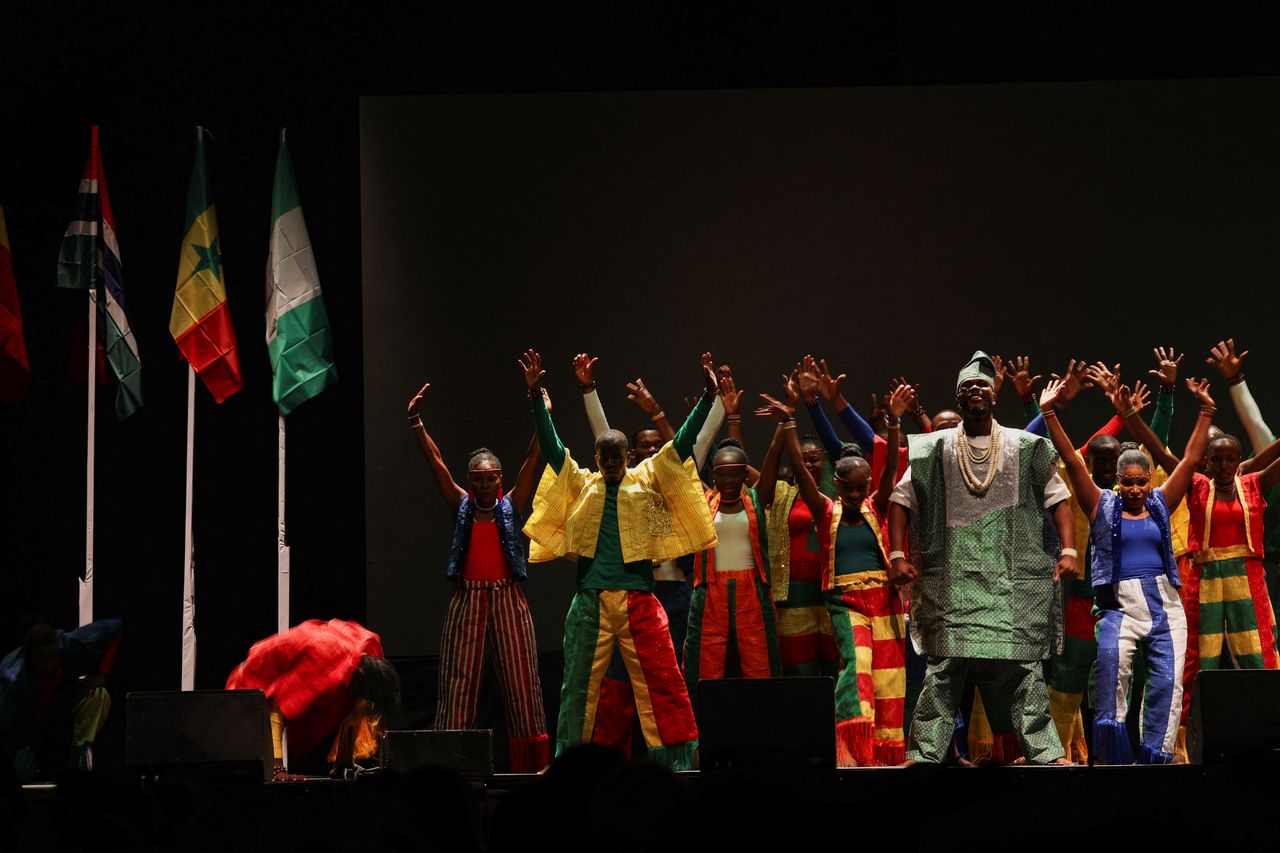
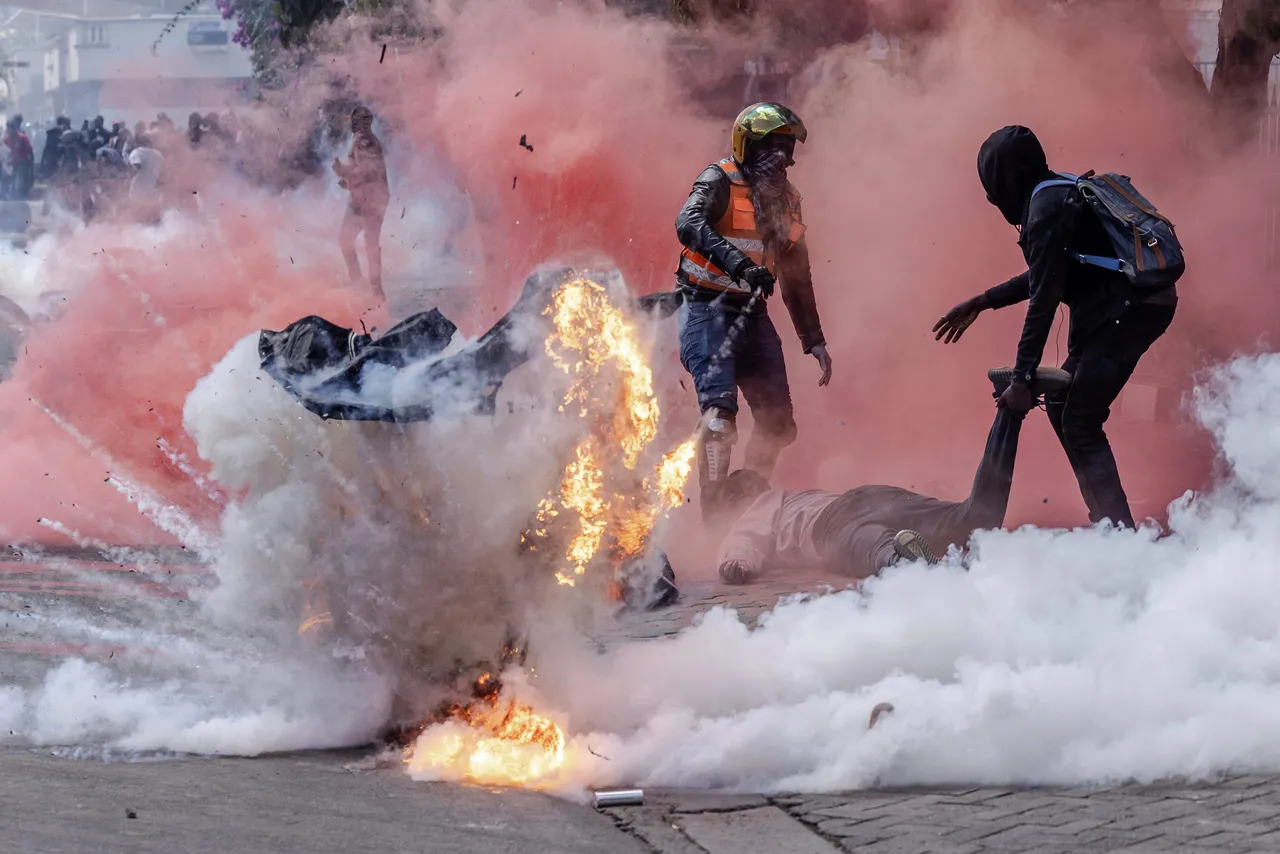
Recent youth-led protests underscore this frustration. In Kenya, demonstrations against a Finance Bill that raised taxes on essential goods reflected a deeper anger toward a government that promised relief but delivered repression.
In Madagascar, power outages and rampant poverty drove young people into the streets demanding change. In Morocco, youth anger over underfunded schools and hospitals exposed governments that prioritise stadiums over social services. Across the continent, youth dissent reveals a single story: political exclusion sustained by the infantilisation of young people as political actors.
Odds stacked against the youth
Power remains concentrated among older elites, a pattern rooted in post-colonial governance. While many governments have pledged to include youth, credible follow-through rarely materialises. Continental frameworks, however well-designed, stall in implementation not because of technical barriers — but because of politics.
Meanwhile, corruption continues to drain resources that could transform young lives. Africa loses an estimated $9 billion annually to illicit financial flows — money that could fund the schools, jobs, and infrastructure so many young people demand. Corruption fuels impunity, weakens institutions, and breaks trust between governments and citizens. Without functioning, credible institutions, frameworks like the AfCFTA cannot deliver the prosperity they promise.
Economically, the picture is equally stark. The informal economy sustains nearly 70% of African households and provides work for most young people. These jobs are often unstable, unprotected, and underpaid. Ninety percent of employed youth work informally, and one-third live in extreme poverty despite being employed. Work, in other words, no longer guarantees a way out of poverty.

Yet this informality is not merely about survival — it reflects how African economies are organised. In these unsteady systems, young people display ingenuity through freelancing, gig work, and small businesses. The problem is not a lack of creativity but the lack of institutional support. Governments often respond with youth training schemes and microfinance programs that ignore the structural roots of the crisis: credit systems hostile to small enterprises and economies that fail to create enough “good” jobs.






Structural weaknesses
At the same time, the focus on unemployment hides the equally damaging crisis of underemployment. Millions of young Africans have jobs but earn too little to live on. This quiet erosion of working dignity attracts far less policy attention but corrodes stability all the same.
These structural weaknesses also shape Africa’s approach to trade. Economies hollowed out by corruption and precarious work do not become more equitable when borders open — they become more exposed. The AfCFTA Protocol on Women and Youth in Trade, adopted in 2024, offers potential to bring youth and women into the center of continental commerce. Yet if Africa continues exporting raw commodities without building value-added industries, the benefits of liberalisation will never reach workers or local economies.
Reform must be both political and economic. Political inclusion means giving youth real participation in continental institutions and trade frameworks — not symbolic committees. Governments should set binding quotas for youth representation and establish data systems to track progress under the Women and Youth Protocol.
Economically, inclusion demands more than mobile banking. It requires an industrial strategy that connects education to labor markets, supports small enterprises, and incentivises value creation at home. Growth that simply exports its young talent or relies on precarious work abroad is no growth at all.
Time to pay up
The protests that have swept across the continent are not a passing phase but a verdict on governments that invoke youth potential without delivering on it. Some young people have paid for that verdict with their lives — an unacceptable cost in societies that claim to value their future.
Africa’s youth are not passive recipients of policy; they are shaping the continent’s direction through activism, enterprise, and collective voice. The question is no longer whether youth are ready. It is whether Africa’s leaders are.
The task is clear: restructure economies that keep young people precarious, and redistribute power that keeps them voiceless. These two priorities are inseparable.
The demographic dividend has been promised long enough. It’s time to pay up.
The author, Cindy Kasanga, is a researcher pursuing a Master’s in Political Science at the University of British Columbia. Born and raised in Kenya and Ethiopia, her research examines questions of equity, power, and institutional design in international relations, with a regional focus on Africa.