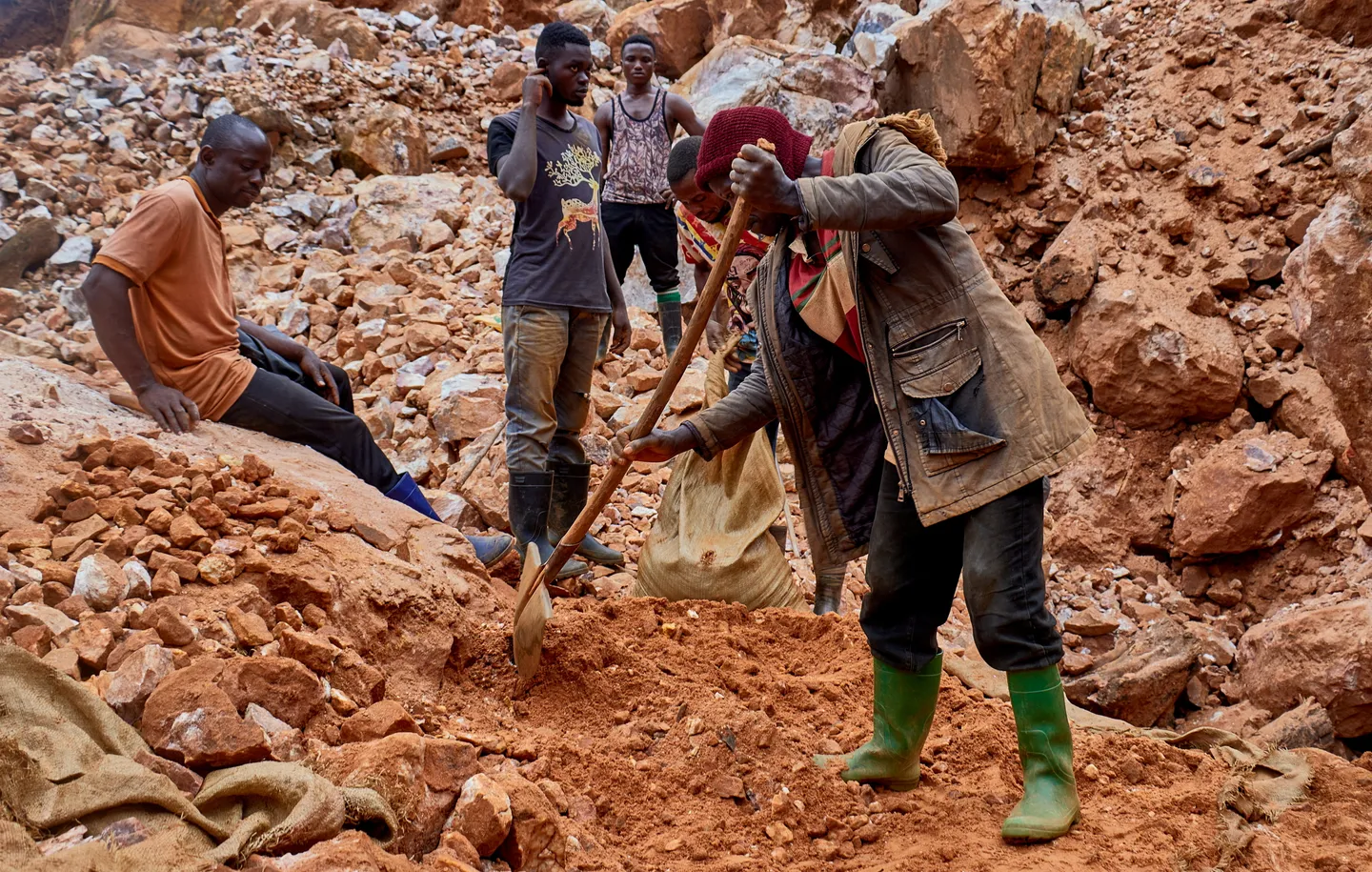
Democratic Republic of Congo plans to tighten control over geological data that guides billions of dollars in mining exploration, potentially extending state influence over the development of future mineral discoveries.
The country is accelerating geological mapping, airborne surveys and digitisation of historical archives to build a comprehensive national geological databank on its critical minerals and reduce exploration risk, officials say.
The plan will tighten Kinshasa's grip on the world's biggest cobalt producer and second-largest copper supplier, according to an official and industry sources.
A nationwide geological mapping programme has gained momentum this year after a $180 million contract with Spain's Xcalibur, a global leader in geodata mapping, began in January, Raoul Wazenga Vitima, director general of the National Geological Survey of Congo (SGNC), told Reuters.
Geological databank
The project is one of several ongoing mapping programmes in the country, funded by the government, mining revenues and international partners, with results fed into the national geological databank, which is expected to be fully operational by the end of 2026, Vitima said.
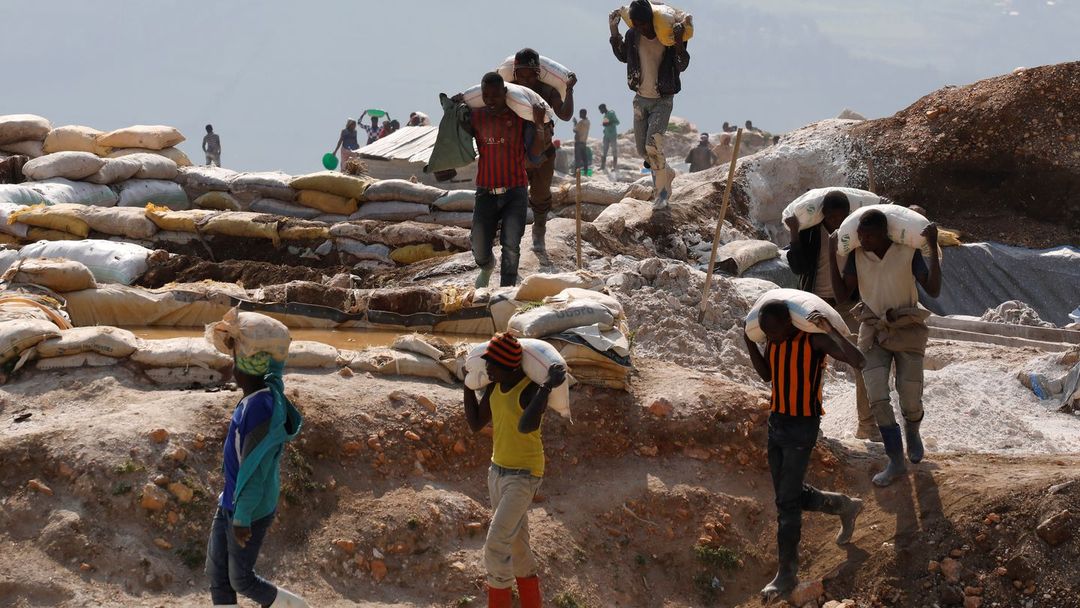
Unlike other major mining jurisdictions such as Australia, however, Congo plans to keep control of access to the databank in state hands and charge for some information.
Requests for access to information will be assessed against both investor needs and the protection of Congo's "strategic interests", Vitima said.
"The data generated under these programmes constitute a strategic asset of the Congolese state," Vitima said.
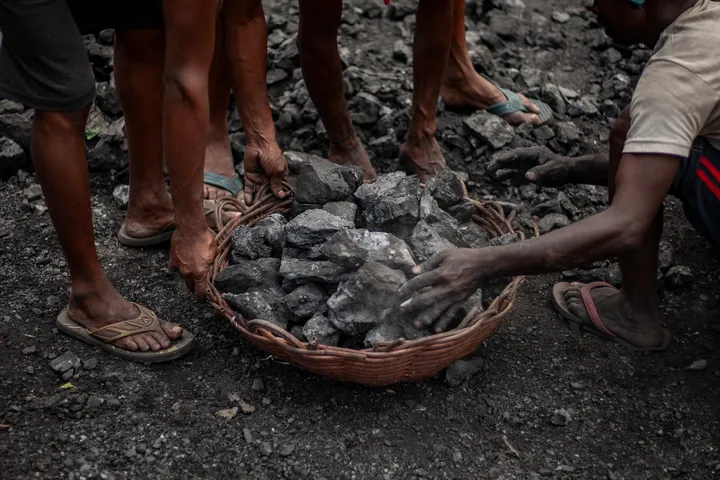
Despite hosting some of the world's richest deposits of copper, cobalt, lithium, tantalum and gold, Congo remains one of the least-explored major mining jurisdictions.





SGNC estimates systematic exploration covers barely 20% of the country.
Unlock unexplored areas
The Xcalibur project is surveying more than 700,000 square kilometres (270,272 square miles) using airborne geophysics, digitised data and advanced analytics to identify exploration targets and unlock vast unexplored areas of Congo, Vitima said.
Xcalibur did not respond to a request for comment.
Exploration spending surged after the end of Congo's 1998-2003 civil war, rising to a record $389.2 million in 2012 from $57 million in 2005, according to S&P data.
Companies invested $130.7 million in exploration in 2024, the highest in Africa, but activity remains concentrated in the copper-cobalt belt of Lualaba and Haut-Katanga, leaving large parts of the country poorly mapped.
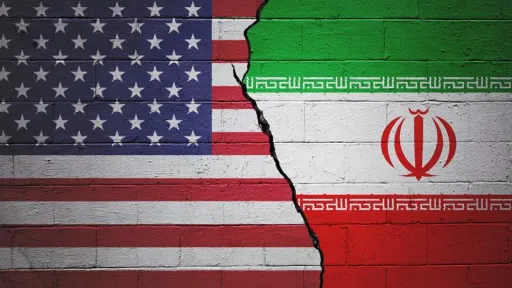
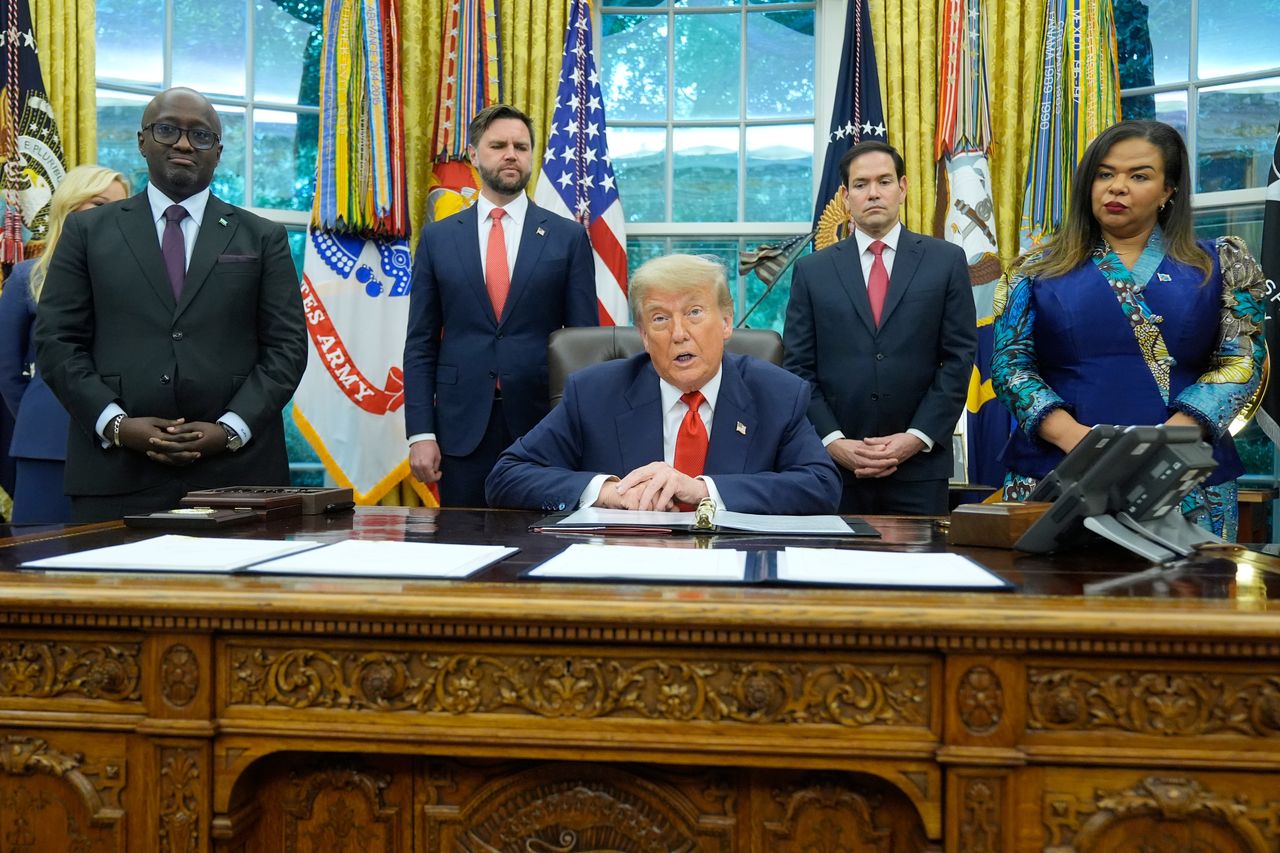
The initiative comes as Congo sits at the centre of intensifying competition between the United States and China for critical-mineral supply.
Both countries have struck separate agreements with Kinshasa aimed at increasing cooperation in the sector.
Greater control of geological data could allow Kinshasa to shape where exploration capital flows and which future deposits of copper, cobalt, germanium and other critical minerals are developed, three mining executives and a geologist said.