 Sylvia Chebet
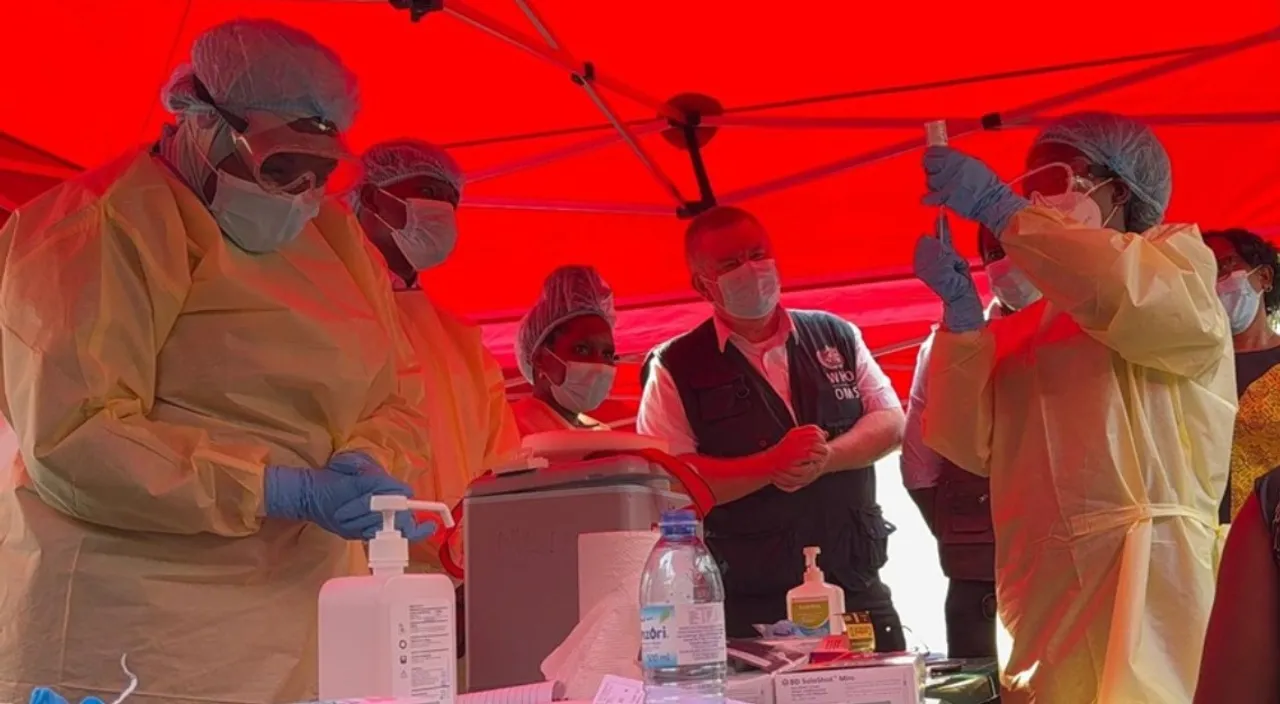
For decades, Ebola has been synonymous with fear, fragile health systems and international emergency responses. Uganda's latest outbreak tells a different story—one of preparedness, scientific expertise and African leadership in controlling one of the world's deadliest diseases.
When the East African country discharged its last Ebola patient from Mulago National Referral Hospital in Kampala on July 16, it marked more than the start of a 42-day countdown to being declared Ebola-free.
It marked the culmination of a public health campaign that achieved something remarkable: containing one of the world's deadliest viruses without a licensed vaccine or dedicated treatment.
The outbreak involved the rare Bundibugyo strain of Ebola, one of the few Ebola species for which no approved vaccine or specific therapy currently exists. Yet Uganda succeeded in interrupting transmission through rapid detection, aggressive contact tracing, strong surveillance and years of experience responding to previous outbreaks.
“It has been two months since we declared the outbreak and we are now celebrating the discharge of the last patient. This shows that Ebola is defeatable if we adhere to measures and establish strong systems,” says Dr Chris Baryomunsi, Minister of Health in Uganda.
For WHO Africa Incident Manager Dr Patrick Otim, Uganda's progress represents far more than the end of another outbreak.
"This is a major public health milestone," he told TRT Afrika. "The discharge of the last Ebola patient indicates that Uganda has successfully interrupted all known chains of transmission and currently has no active cases under treatment."
Uganda declared the outbreak on 15 May 2026 and as of 16 July 2026, 20 confirmed cases and two deaths have been reported. Five cases were locally accured and fifteen were the result of importation from the Democratic Republic of the Congo, highlighting how easily infectious diseases can move between neighbouring countries.
Winning without a vaccine
Unlike previous Ebola outbreaks where vaccines have increasingly become part of the response, Uganda had no pharmaceutical safety net.
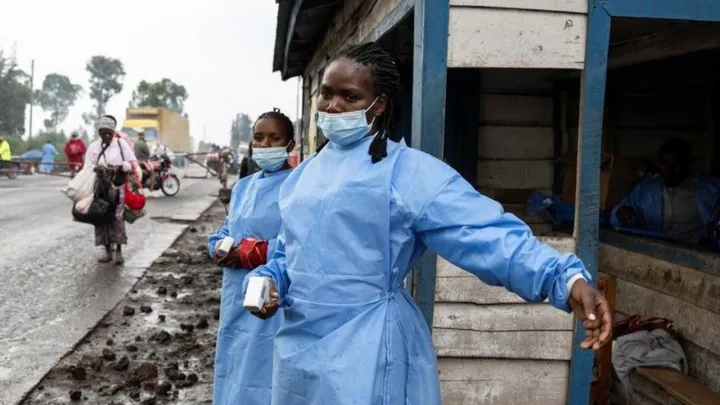
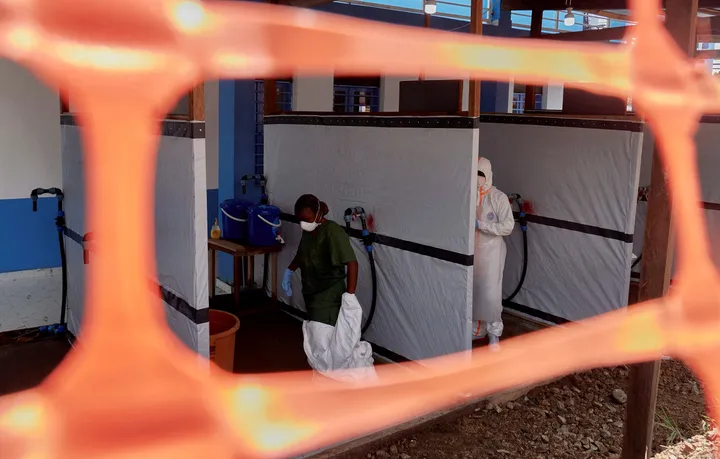
Instead, health authorities relied on the fundamentals of outbreak control: rapid diagnosis, isolation of patients, intensive contact tracing, infection prevention, laboratory testing and continuous community engagement.
"It reflects months of intensive surveillance, case management, contact tracing and community engagement," Otim said.
He believes Uganda's response demonstrates that disciplined public health systems remain one of the most effective tools against Ebola, particularly when vaccines and treatments are unavailable.
The response also built on decades of institutional knowledge. Uganda has confronted several Ebola outbreaks over the years, allowing health workers, laboratories and emergency response teams to refine systems that could be activated quickly when new cases emerged.
During the height of the outbreak, President Yoweri Museveni urged Ugandans not to panic, stressing that Ebola spreads through direct contact rather than the airborne transmission that fuelled the Covid-19 pandemic.
“Ebola is much easier to control than Covid. Covid was one of the biggest problems in the world. It was one of the most dangerous pandemics because it was spreading through breathing,” he said, adding: “Therefore Ebola is nothing compared to Corona. It spreads by contact.”
He encouraged people to report suspected infections early, saying timely supportive care significantly improves patients' chances of survival.
Why the next 42 days matter
Although Uganda has no active Ebola patients under treatment, the outbreak cannot officially be declared over just yet.
The World Health Organization requires countries to complete 42 consecutive days—equivalent to two full Ebola incubation periods—without recording another confirmed case before declaring an outbreak over.
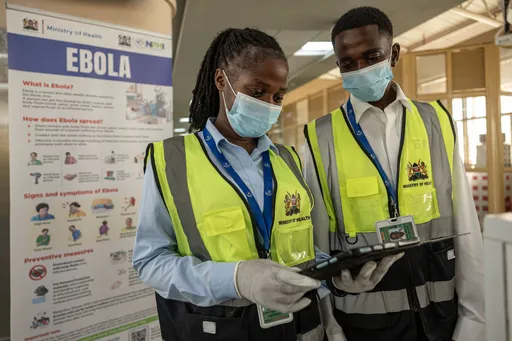
Throughout that period, Uganda will maintain intensive surveillance, continue screening at points of entry, rapidly investigate suspected infections, strengthen community monitoring and closely follow survivors.
If no additional cases emerge, Uganda will officially join the growing list of countries that have successfully defeated Ebola outbreaks.
An African success story with global lessons




For Otim, Uganda's achievement extends well beyond its borders.
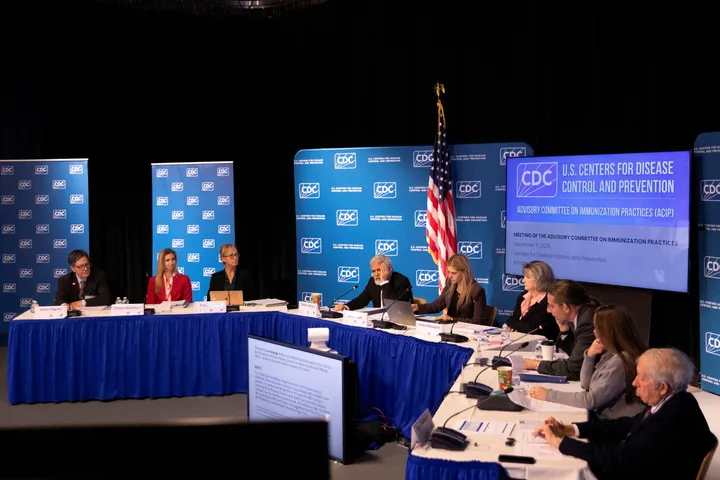
"It serves as a reminder that preparedness is not a luxury but an essential component of national and international security," he said.
The outbreak demonstrated that sustained investments in surveillance systems, laboratory networks, emergency response capacity and trained healthcare workers produce measurable results.
It also reinforces an important lesson for the global health community: outbreaks can be contained before they escalate into humanitarian and economic crises when governments, scientists, communities and international partners work together.
Uganda's experience also challenges a long-standing perception that Africa is merely a recipient of global health expertise. Instead, it highlights how African countries are increasingly generating the knowledge, experience and institutional capacity needed to lead responses to infectious disease outbreaks with lessons that resonate far beyond the continent.
Rather than relying solely on external assistance, Uganda's response illustrates how African institutions are increasingly becoming producers of public health knowledge and best practice, not just beneficiaries of it.
A vaccine may finally be within reach
While Uganda succeeded without a licensed vaccine, the outbreak has accelerated efforts to develop one for the Bundibugyo strain.
"The encouraging news is that scientists are no longer starting from scratch," Otim said.
"Decades of Ebola research, advances in vaccine technology and experience from developing countermeasures against other Ebola species provide a strong foundation for progress."
Among the most promising candidates is a vaccine developed by the University of Oxford, which is expected to enter clinical trials with Uganda participating in the study.
Although more research and international investment will be required before effective vaccines and treatments become widely available, experts say the world is significantly better prepared than it was during previous Bundibugyo outbreaks.
Keeping Ebola at bay
Uganda's next challenge will be maintaining its vigilance.
Neighbouring Democratic Republic of Congo continues to battle an active Ebola outbreak involving the same Bundibugyo strain.
Sixty-five days after the outbreak was declared on 15 May, the number of confirmed cases reached 2,423 on 21 July, including 967 deaths, according to an update from the Congolese Health Ministry.
As long as active transmission persists across the border, Uganda remains at risk of imported cases that could spark new chains of transmission,” Otim emphasizes.
He says surveillance, cross-border cooperation and community engagement must remain at the heart of the country's preparedness strategy. Maintaining trained emergency medical teams, strengthening laboratories and investing in research will be just as important after the outbreak as they were during it.
Uganda's experience ultimately demonstrates that defeating Ebola is not solely about vaccines or medicines.
Prepared health systems, experienced health workers, community trust and decisive leadership remain equally powerful weapons against deadly disease.
As Uganda enters the final stretch towards being declared Ebola-free, its greatest achievement may not simply be ending another outbreak. It may be demonstrating that African expertise, built through decades of responding to epidemics, is helping shape the future of global health security.
Uganda's race to become Ebola-free is more than a national success. It is evidence that Africa is not only confronting global health threats—it is helping redefine how the world responds to them.