Today, the African continent stands at the center of a striking historical contradiction: a continent responsible for only approximately 3–4 percent of global greenhouse gas emissions is confronted with some of the most severe consequences of the climate crisis.
This situation is not merely a technical environmental issue; it is fundamentally a matter of global justice. The problem extends beyond rising temperatures to encompass the right to development, access to energy,industrialization capacity, and equitable representation within the global system.
What is currently expected from Africa is a transition directly into a decarbonized economic order without experiencing the carbon-intensive development trajectory that Europe followed for nearly 150 years.
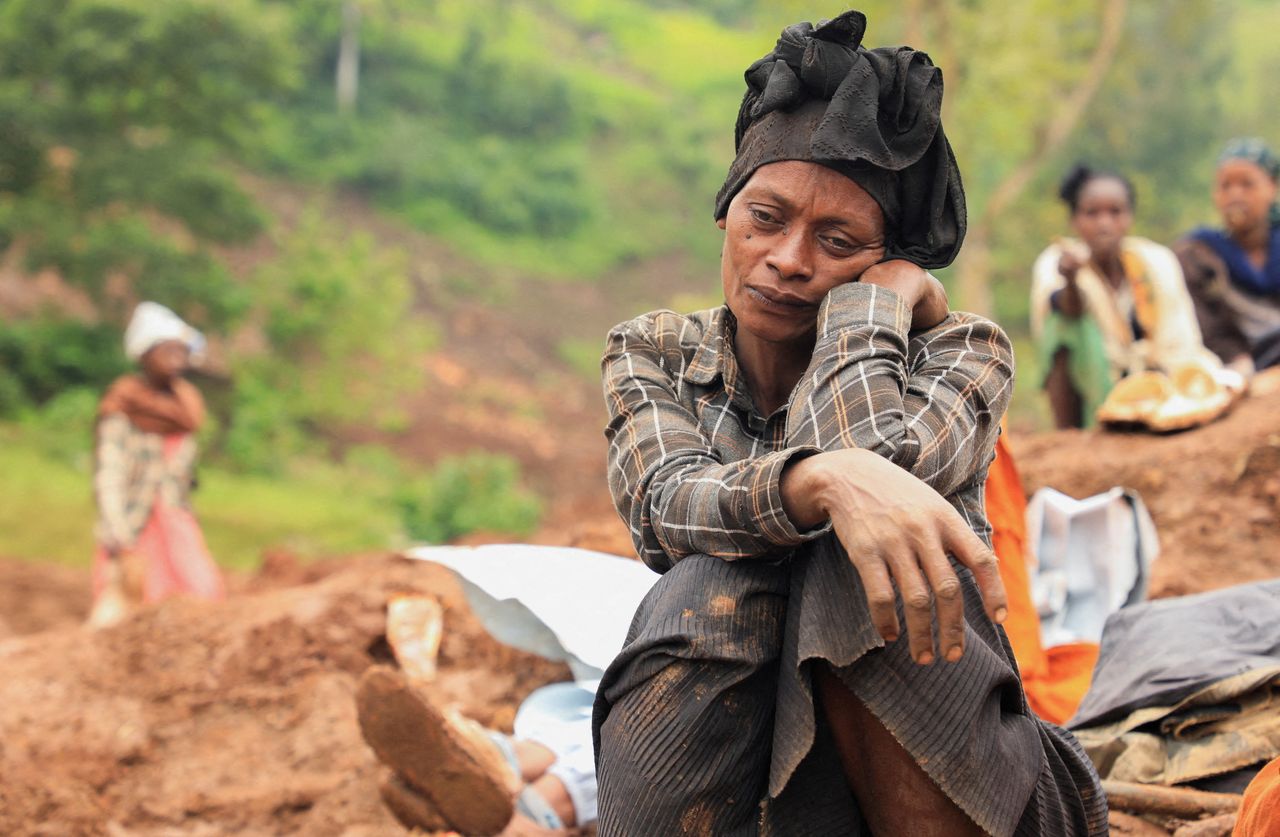
When such expectations are expressed without accompanying commitments to financing and technology transfer, they no longer represent environmental policy but rather a limitation on development, effectively signaling a new phase of post-colonial constraint through climate governance.
For this reason, climate policy debates concerning Africa should not be framed primarily around emissions reduction, but rather around just transformation.
Africa’s Real Risk: Not Climate Change, but Climate Inequality
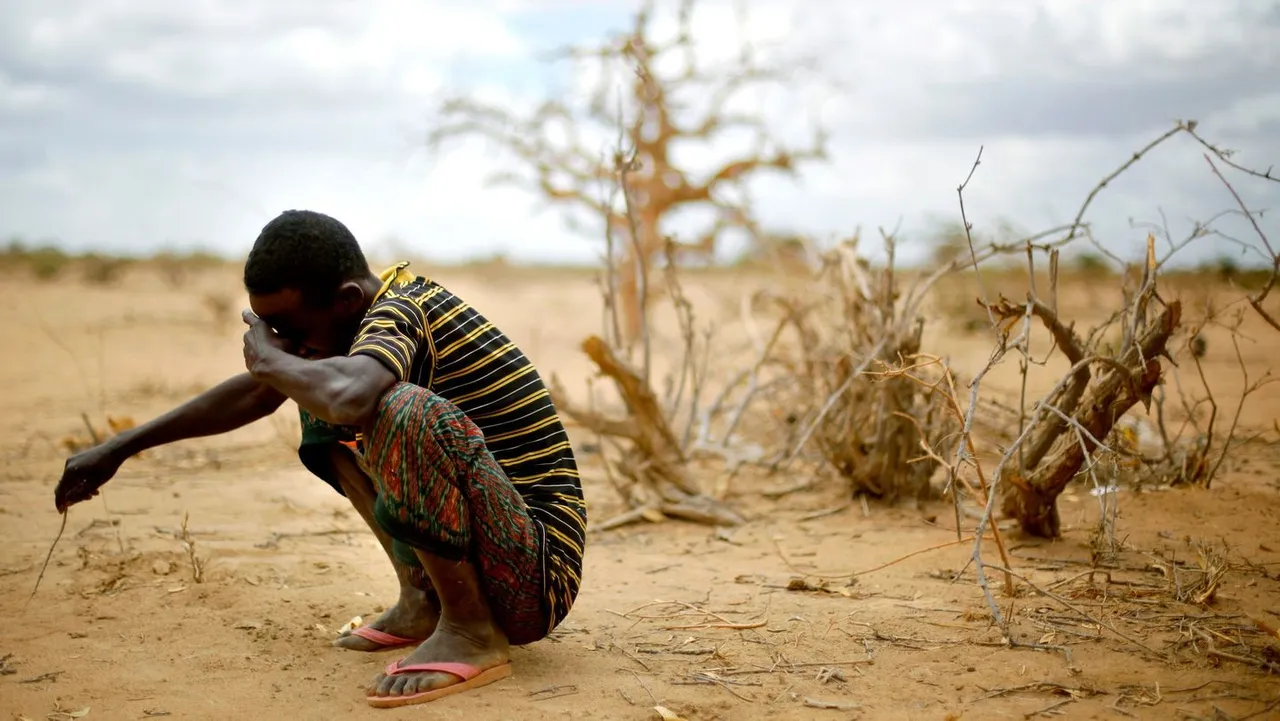
The impacts of the climate crisis in Africa are often interpreted through the lenses of drought, floods, and food insecurity. Yet a deeper structural issue exists: while the global carbon budget has largely been consumed elsewhere, Africa has been left with a narrow and shrinking development space.
Across a wide belt stretching from the Sahel to East Africa, current vulnerabilities are not
merely meteorological but structural in nature. Rain-dependent agricultural production, limited infrastructure investment, and rapid population growth have transformed climate change from an environmental “impact” into a developmental constraint.
Thus, Africa’s core challenge is not simply climate change itself, but the unequal distribution of the climate burden.
What do Europe’s decarbonization policies mean for africa?
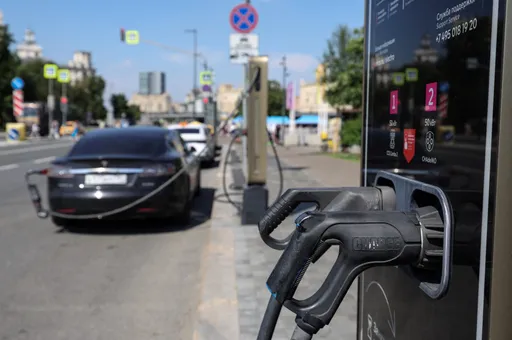
The European Union’s emerging trade instruments—particularly mechanisms such as the Carbon Border Adjustment Mechanism (CBAM)—are reshaping global production standards.
Although the official objective is to prevent carbon leakage, the practical outcome is clear: Africa’s traditional pathway to industrialization is becoming increasingly constrained.
Europe grew through coal, industrialized through oil, and accumulated wealth through carbon-intensive production. Today, however, Africa is expected not to follow the same trajectory.
While this expectation may be environmentally understandable, it is not equitable in terms of development. The issue is not the request for low-carbon development itself; rather, it is the expectation that such development should occur without adequate support.
What would a realistic climate policy for Africa look like?
Many proposed climate adaptation policies for Africa fail to sufficiently reflect the continent’s actual priorities. An effective climate strategy for Africa should instead be built upon four fundamental pillars.
First, energy access must be placed at the center of climate policy. A green transition is impossible without electricity access. Africa’s solar energy potential is globally unmatched and provides an opportunity to establish a renewable-energy-based industrial model directly.
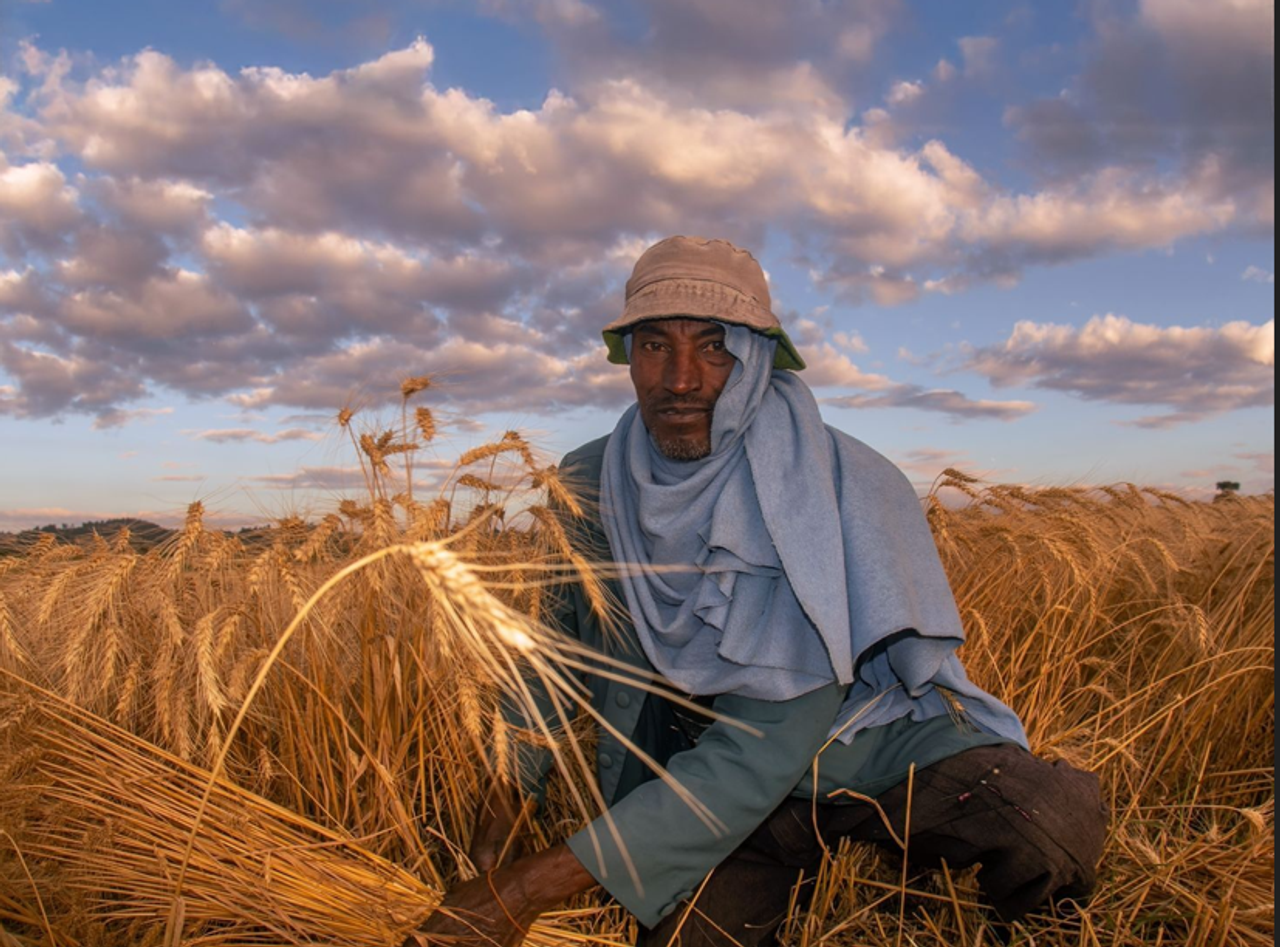
Second, reducing post-harvest food losses represents one of the fastest climate adaptation strategies available. In many parts of Sub-Saharan Africa, post-harvest losses exceed 30 percent. Reducing these losses could significantly increase food availability without expanding production.
Third, local processing of critical minerals must be ensured. Resources such as cobalt, lithium, and rare earth elements can transform Africa from a mere exporter of raw materials into a producer within the green industrial economy.
Fourth, regional production chains should be strengthened through the African Continental Free Trade Area (AfCFTA). Large-scale industrialization is only possible through an integrated continental market.
Such an approach would reposition Africa from a recipient of assistance to a founding actor in the global green transition.
Three proposals for global climate justice
Existing global mechanisms remain insufficient to enable Africa’s fair adaptation to the
climate crisis. New instruments are therefore required. First, a dedicated climate development fund for Africa should be established. This fund should rely primarily on grants rather than loans, because Africa’s need is not additional debt but structural transformation.






Second, temporary exemptions from carbon border adjustment mechanisms should be granted to African countries. Otherwise, such mechanisms risk slowing rather than accelerating industrialization.
Third, new international partnership frameworks should require local processing of critical minerals within Africa’s supply chains, enabling the continent to participate in global industry not merely as a supplier of raw materials but as a producer of value-added goods.
These three steps could transform Africa from a victim of the climate crisis into a partner in its solution.
Community-based climate diplomacy: a new field of engagement
Intergovernmental climate negotiations are typically shaped around financing mechanisms and emission targets. However, in Africa, the success of transformation depends on more than these formal processes.
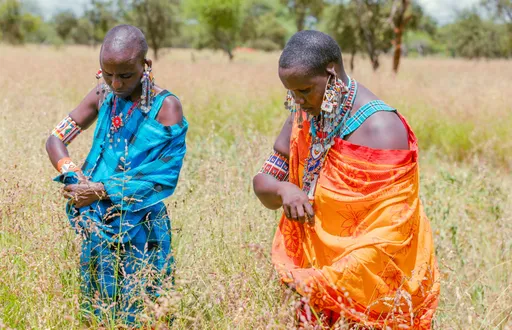
The decisive factor lies in building societal resilience at the community level. Water management, food security, and the use of local resources are largely carried out by women across many African societies.
For this reason, women-centered environmental initiatives can often produce faster and more sustainable results than purely technical infrastructure projects. In this context, community-based climate diplomacy is emerging as a new and promising area of international cooperation.
Emine Erdogan as a global women’s leadership model for africa
As previously emphasized, despite its limited historical contribution to global greenhouse gas emissions, Africa remains one of the regions most severely affected by the climate crisis.
This reality places climate change at the center of debates on global justice and the right to development.
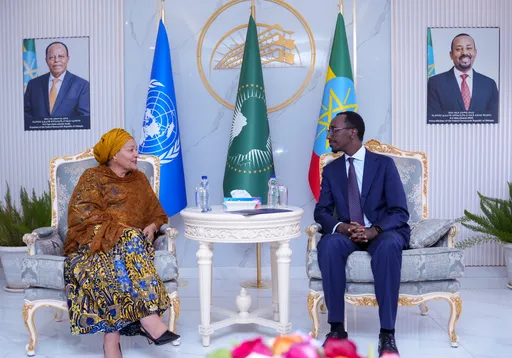
In this regard, the direct engagement established by Türkiye’s First Lady Emine Erdogan, particularly through initiatives at the United Nations, provides an important foundation for a model of society-centered climate justice leadership that extends beyond traditional diplomatic channels.
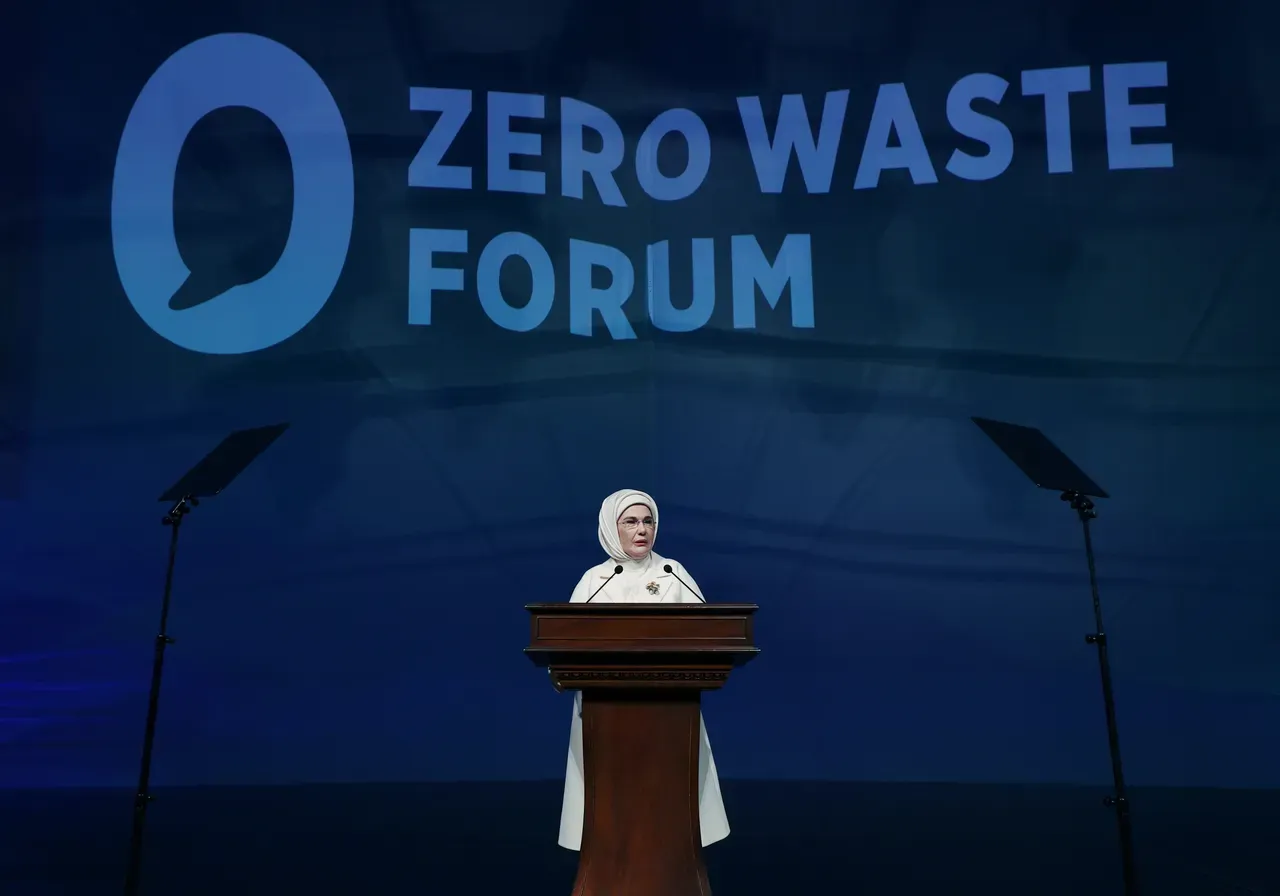
Platforms such as the Africa House initiative, carried out under her patronage, should be understood not merely as cultural representation spaces but as symbolic arenas that
enhance Africa’s visibility in global affairs and enable the continent to articulate its own narrative. Such initiatives can strengthen the often-missing dimension of Africa’s voice within climate justice debates.
Emine Erdogan’s visibility in Africa holds particular potential across three strategic areas. First, it can contribute to raising international awareness of the reality that Africa faces high climate costs despite low carbon responsibility, promoting a discourse that frames decarbonization not as an obligation imposed on Africa but as a transformation process that must be supported.
Second, platforms such as Africa House can increase the global visibility of women-led local initiatives in environmental management, water security, and food resilience.
Women are among the groups most directly affected by climate change across the continent; therefore, supporting women-centered resilience programs strengthens the societal impact of climate policy.
Third, a Türkiye–Africa community-based climate resilience network could be established to share low-cost local solutions to environmental pressures arising from rapid urban population growth across African cities.
By focusing on knowledge exchange, education, and capacity building rather than solely on infrastructure investment, such a network could produce sustainable long-term impact.
From this perspective, First Lady Emine Erdogan’s role in Africa extends beyond environmental awareness initiatives. She may instead be positioned as a representative of a human-centered climate diplomacy approach that recognizes Africa’s Industrialization rights while making inequalities more visible.
Such leadership offers a powerful diplomatic framework capable of transforming environmental policy into a broader agenda encompassing development rights, food security, and societal resilience.
For Africa, climate policy is not about emissions but equality
Africa’s position within the climate crisis represents one of the most significant normative tests facing the global system today.
If the international community expects Africa to decarbonize without industrializing, it must simultaneously provide financing, technology transfer, and fair trade mechanisms.
Otherwise, climate policy risks becoming not a tool for environmental protection but a new mechanism for restricting development. True climate justice begins with recognizing Africa not merely as a region to be protected, but as a founding actor in the global green transition.
The author, Adem Koç, is a lecturer at Nairobi University