 Pauline Odhiambo
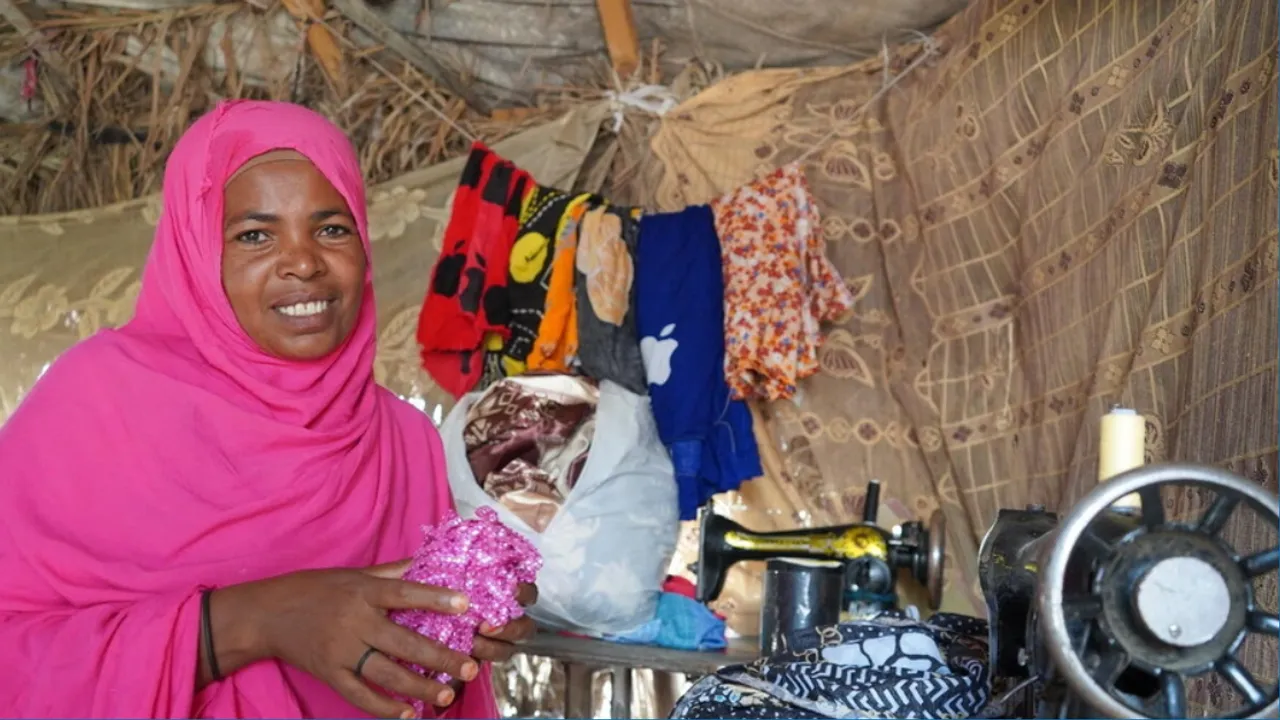
Amina locks the door to her small tailoring shop in Kampala and steps into the afternoon sun, a bolt of colorful fabric tucked under her arm. She has an appointment with a bride-to-be across town.
Twenty years ago, she arrived in Uganda with nothing but her two-year-old daughter and the clothes on her back. She had fled Somalia's collapsing central government, her husband killed in crossfire, her house reduced to rubble. The journey took weeks. She does not dwell on it anymore.
Today, she employs three seamstresses—two Ugandans and one fellow Somali refugee. Her daughter graduated from Makerere University last year with a degree in business administration and now manages the shop's accounts.
Amina recently opened a second location in a Kampala suburb. She pays taxes. She holds a work permit. She is, by any measure, thriving.
"I am not waiting anymore," she says, smiling. "I decided long ago that waiting is a kind of death. So I built something."
Refugee entrepreneurs
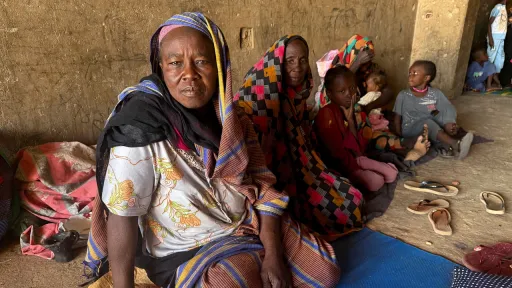
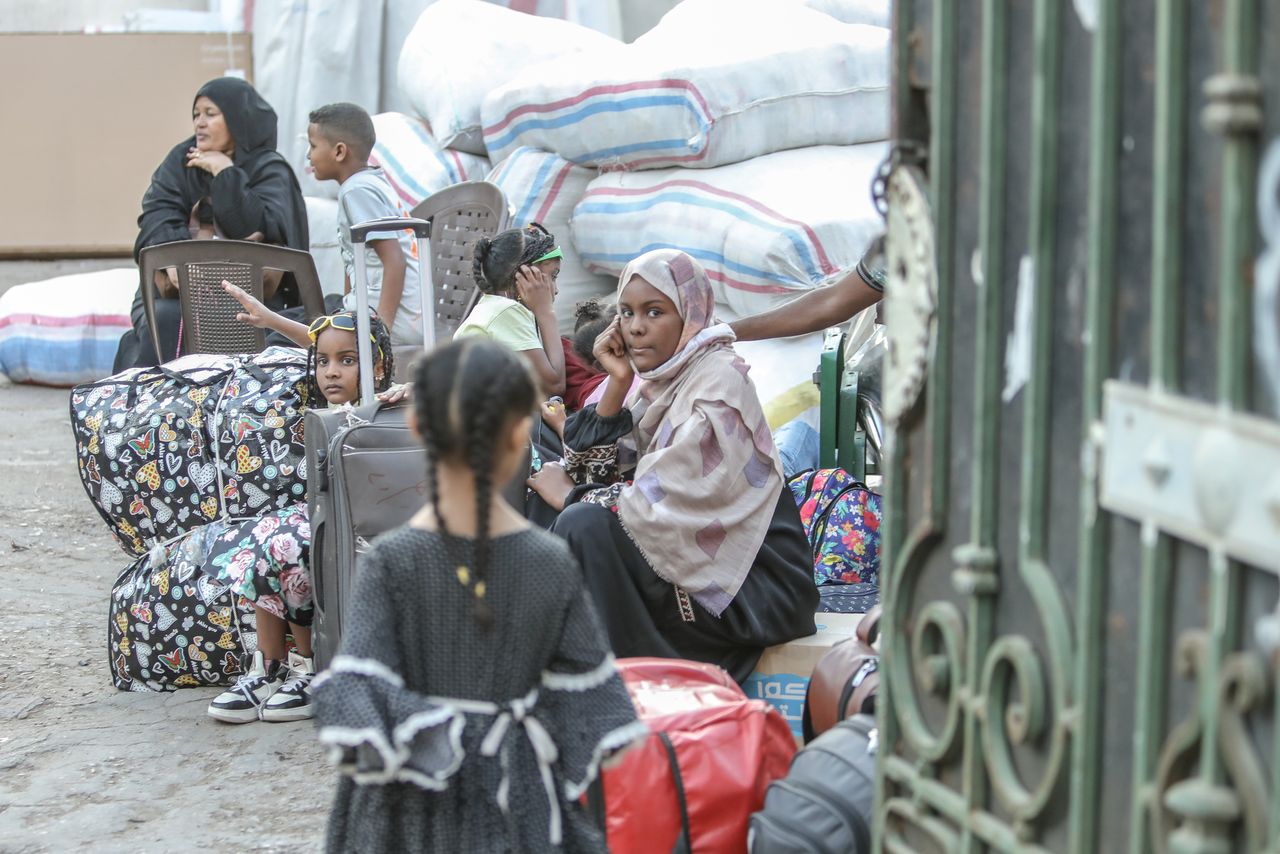
Amina is one of 6.4 million refugees and asylum-seekers recorded across Eastern and Southern Africa at the end of 2025, according to new analysis by UNHCR, the UN Refugee Agency. The median length of exile in the region is nearly sixteen years.
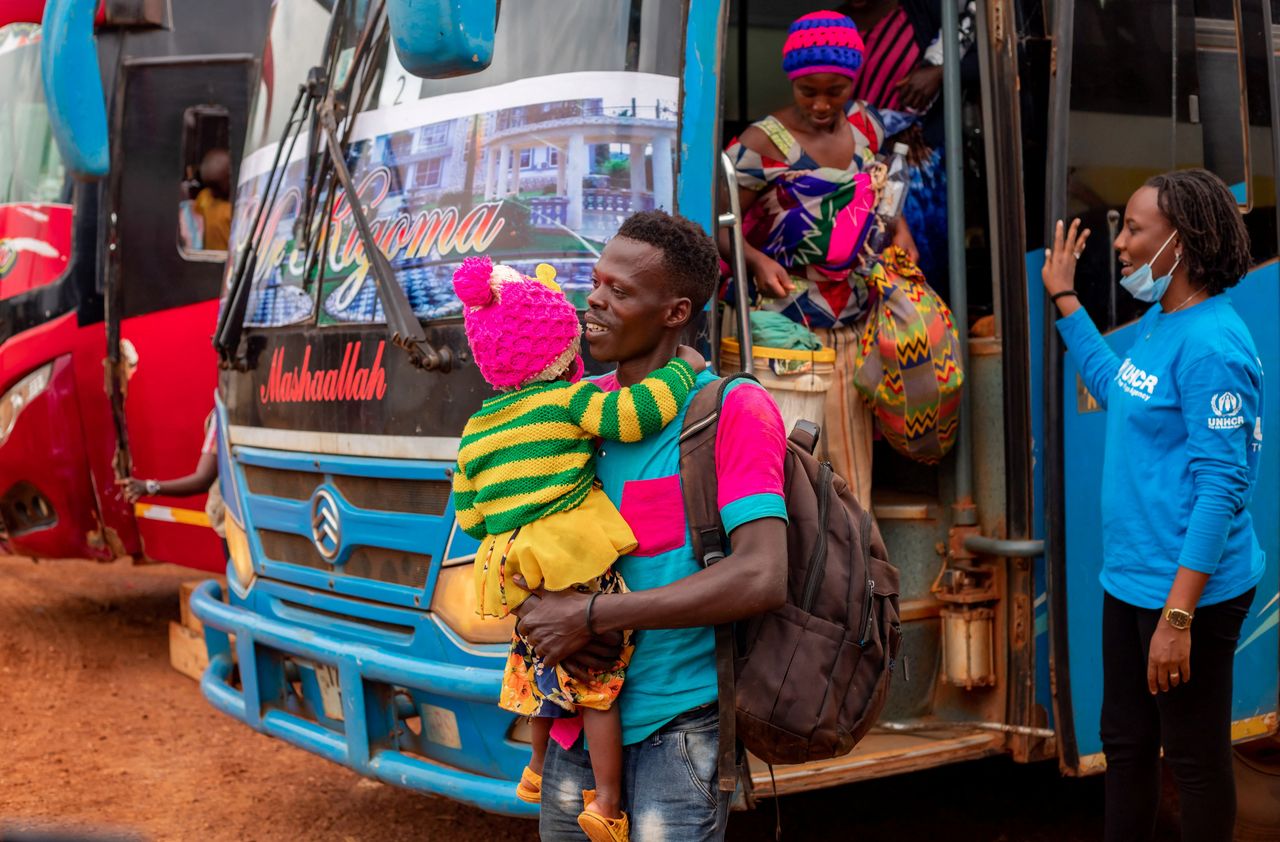
For children registered before the age of five—like Amina's daughter once was—that number stretches past eighteen years. But a growing number of refugees are no longer living in camps or relying on aid. They have carved out lives in cities and towns, becoming entrepreneurs, teachers, nurses, and small-scale farmers.
UNHCR's data shows that most registered refugees in the eastern and southern African region remain displaced long after the initial emergency—three in four still displaced after five years, nearly two in five still in asylum after twenty years. But the data also reflects a shift in how refugees live. Urban refugees now outnumber camp-based populations in several host countries, including Uganda and Kenya. Many have accessed national education systems, obtained work permits, and started businesses.
"Larger families remain in asylum for longer—a median of nearly nineteen years for families of five or more, compared with just under six years for single people," the analysis notes. But that extended timeline has also allowed some families to put down roots, build social networks, and eventually achieve economic stability.
The data also shows that women and girls stay in asylum for a median of nearly seventeen years, longer than men and boys. But for some, that longer timeline has become an advantage—time to learn new skills, establish credit, and gain confidence.
‘Grief is not a plan’







Grace Mbeki, a forty-two-year-old from the Democratic Republic of Congo, lives in Dar es Salaam, Tanzania's commercial capital. She arrived fifteen years ago with her mother and three younger siblings after her father was killed in ethnic violence. Her mother died six years ago. But Grace, a trained nurse, now works at a private clinic. She bought a small plot of land last year and is building a house. Her youngest brother just finished his civil engineering exams.
"I grieved," she says quietly. "But grief is not a plan. I decided to honor my mother by becoming unbreakable."
UNHCR Regional Director for Eastern and Southern Africa, Mamadou Dian Balde, acknowledged that the region's long-term displacement crisis demands urgent solutions—but he also emphasized that refugees are not passive victims.
"Asylum saves lives, but after nearly sixteen years of living in limbo, refugees need more than help; they need hope, opportunity and a way forward," Balde said in a statement accompanying the analysis. "We need to move faster towards real solutions, helping refugees return home when it is safe to do so, and ensuring those who cannot return are able to study, work, support themselves and contribute to their communities."
The analysis will form part of UNHCR's 2025 Global Trends Report, with updated global displacement figures to be released on 11 June. The figures are indicative rather than precise—status changes are often recorded during verification exercises—but the overall picture is clear: displacement in Eastern and Southern Africa is rarely short-term. That reality, however, does not have to mean permanent dependency.
Progressive policies
Host countries in Eastern and Southern Africa—Uganda, Ethiopia, Kenya, and Tanzania chief among them—continue to show solidarity with millions of refugees despite limited resources. Uganda's progressive refugee policies, which grant land and freedom of movement, have enabled thousands like Amina to open businesses. Kenya's new digital work permit system for refugees, launched in 2024, has formalized what was once a gray economy.
Balde called on donors, development actors, and the private sector to step up support so that refugees and the communities hosting them can "rebuild and grow together in dignity."
For Amina, that dignity is no longer an aspiration. It is a daily fact. She recently hired her fourth employee—a Ugandan woman who lost her job during the pandemic. She sends money home to relatives still in Somalia. She votes in refugee-led community elections. When she walks through Kampala's streets, people call her "Mama Tailor," not "refugee."
"No child should have to grow up with their future clouded by uncertainty," Balde said. "An entire generation of refugee children are starting their adult lives in exile. Young refugees need access to national education systems, documentation, skills and opportunities that will allow them to reach their potential wherever they are and contribute to the societies hosting them."
Amina's daughter is proof. At twenty-two, she is now applying for a master's degree in supply chain management. She wants to expand the business across East Africa. She has never seen Mogadishu. But she speaks fluent Luganda and English, knows Kampala's markets better than most locals, and carries a Ugandan refugee ID that she hopes will one day become a passport to somewhere else—or perhaps nowhere else at all.
"When people hear 'refugee,' they think of tents and food lines," Amina says, threading a needle with the ease of two decades of practice. "But look at us. We are here. We are working. We are not waiting anymore."