 Sare Şanlı
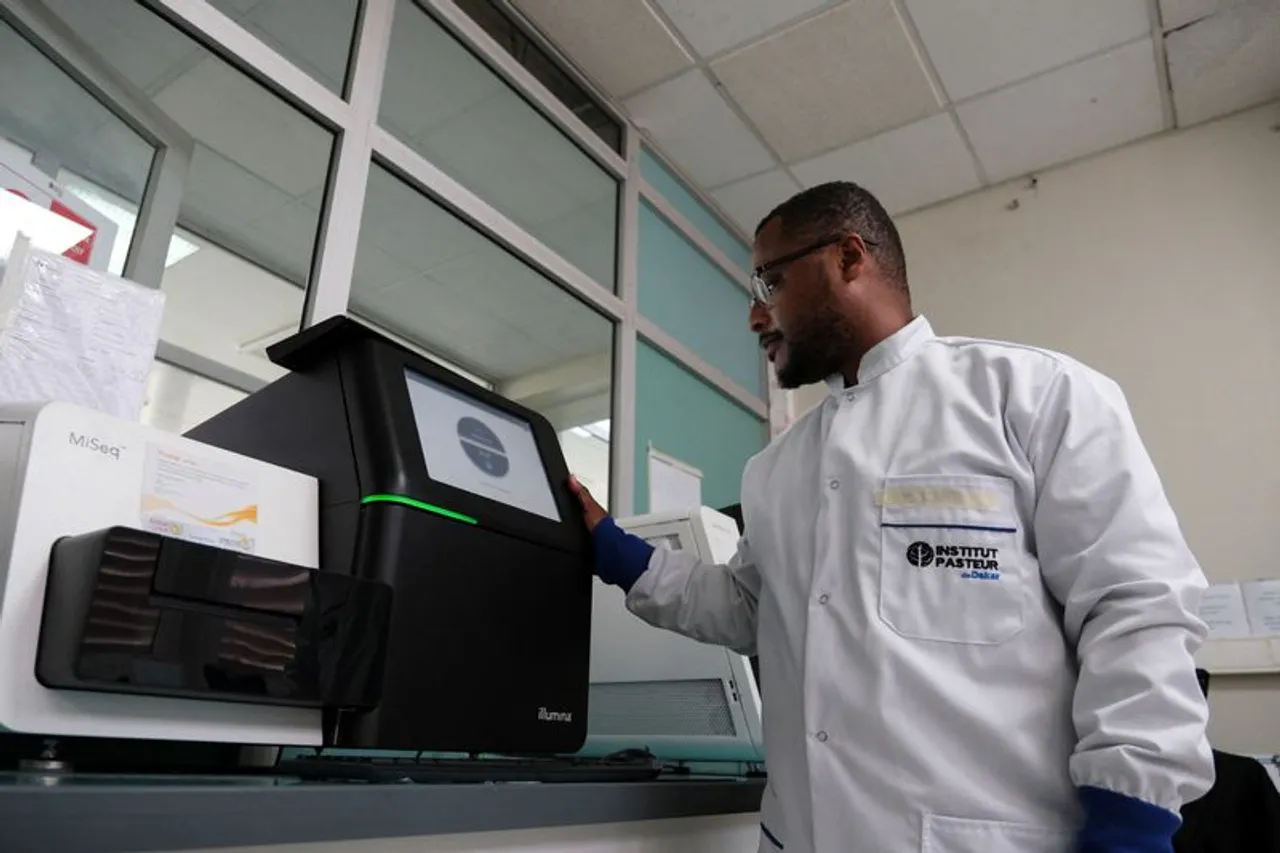
For centuries, global powers viewed Africa as a reservoir of gold, oil, and labour. Today, that extractive logic is evolving from beneath our feet to the laboratory bench.
In recent years, the human cells of Africa have become targets of exploitation. From the proposed Hepatitis B vaccine study in Guinea-Bissau to the halted $1.6 billion health data agreement between Kenya and the United States, this new frontier is taking shape.
One may call it bio-colonialism, but its proponents are more benevolent with their phrasing as “universal medical progress.” However, what begs for an answer is why this data-gathering is concentrated in African populations rather than in the societies that stand to profit most from it.
The anonymity myth
When the Kenyan government defended its health data agreements with the United States, it reached for a shield: anonymisation. The assurance was that personal identities had been stripped away, leaving only statistics.
Contemporary science has exposed the fragility of this claim. A landmark study in Science showed that "anonymous" DNA can be traced back to individuals using nothing more than public genealogy databases, an age, a region. With advances in AI, algorithms can now reconstruct identities from fragments once considered negligible.
The uncomfortable reality that policymakers would rather sidestep is that DNA is a permanent biological signature. Unlike a compromised password, a genetic code cannot be changed once exposed.
What is shared today as aggregate statistical data could, tomorrow, become an instrument of surveillance — implicating not just an individual, but their entire family lineage.
As the African Genome Variation Project, published in Nature, underscored, the continent holds the world's most genetically diverse population. Without robust sovereign protections, anonymisation functions as a veneer over systematic data extraction.
The question of informed consent deserves equal attention. Imagine a rural farmer signing a complex legal document in a foreign language to provide a blood sample. We must question how voluntary that agreement really is.
Once data is digitised, its ownership — whether it belongs to the individual, the community, or the state — remains unclear under international law. Little wonder this legal vaccuum is being exploited.
From healthcare to algorithmic apartheid
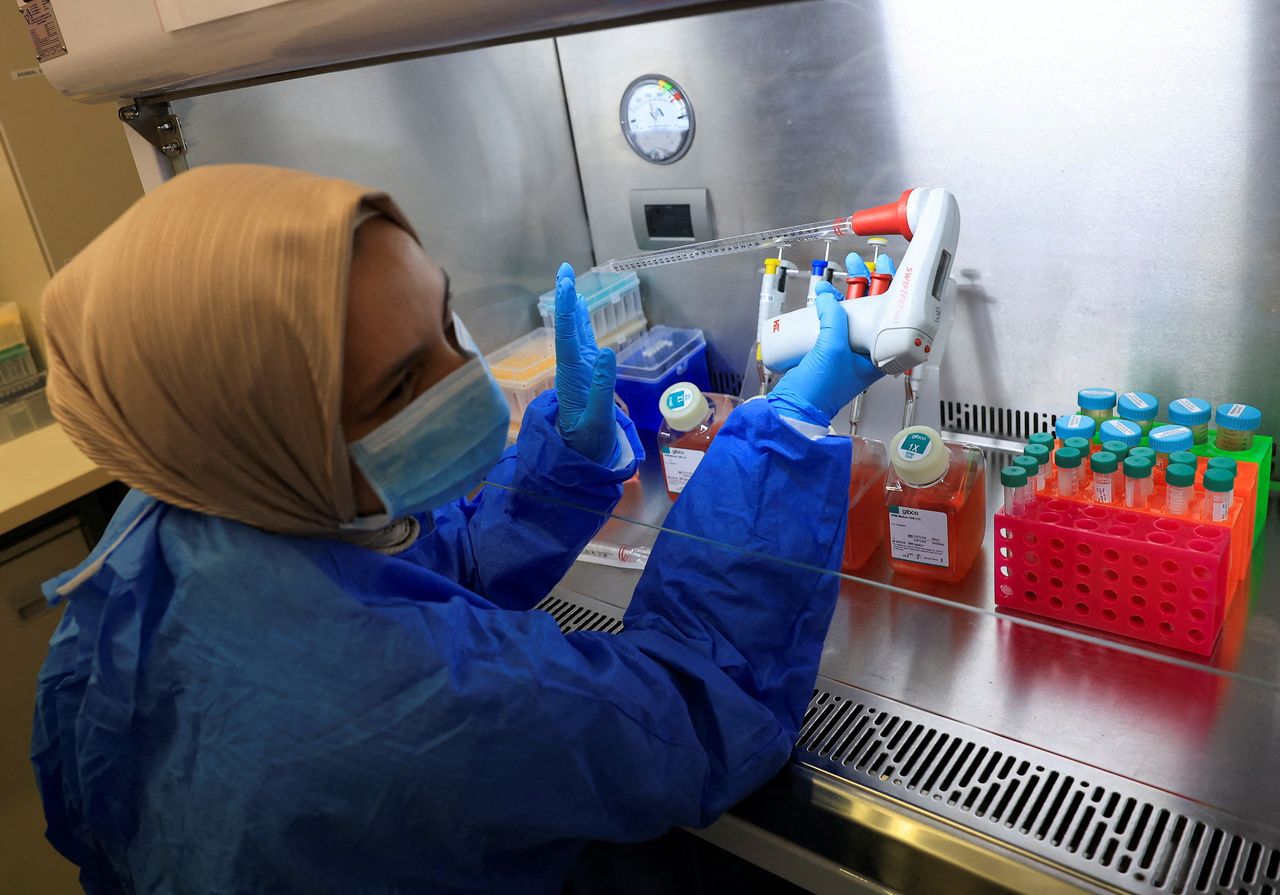
Genetic data collection is invariably presented in the language of personalised medicine and scientific progress. The downstream applications of such data, however, extend well beyond the clinic.
In the hands of insurance corporations or financial institutions, a population's genetic map ceases to be a tool of care and becomes a ledger of risk.
If DNA can predict a predisposition to illness, that information can exclude individuals from economic participation before they have fallen ill: insurance premiums tied to genetic markers, jobs decided by biological risk scores, entire communities written off as unprofitable.
In the criminal justice system, people could be labelled as dangerous or high-risk simply because of their genes before they have done anything wrong. This is no longer just a theoretical concern.
The history of ethically compromised medical research in Africa is well-documented — from Pfizer's 1996 trial in Kano, Nigeria, where an experimental antibiotic was tested on children during a meningitis outbreak without proper informed consent, leaving some dead, others deaf or brain-damaged to pharmaceutical trials across the continent that communities remember not as science, but as violation.
While the modus operandi of these operations was once there was physical experimentation, today it is digital extraction. When algorithmic systems determine life outcomes on the basis of biological data, inequality is encoded, made structural, and rendered difficult to contest.
The African renaissance in genomics

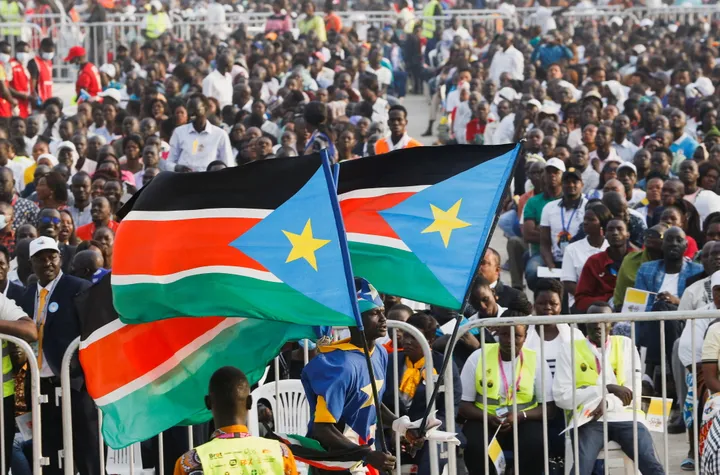






In the midst of these controversies, less frequently acknowledged is the substantive scientific movement underway across the continent.
The Three Million African Genomes (3MAG) project in South Africa has proposed sequencin millions of genomes, capturing the continent's extraordinary genetic diversity — with the explicit aim of ensuring that Africans participate as partners in discovery rather than as subjects of it.
The AGenDA Project, whose findings were published in 2026 across nine countries including Angola and Kenya, is sequencing over 1,000 genomes under a governance structure that places local communities at the centre from the outset.
Data-sharing is administered by African-led bodies, with the stated objective of returning benefits to the populations involved.
In Ghana, Yemaachi Biotech is developing the African Cancer Atlas in partnership with Roche. For decades, cancer treatments were formulated from genetic profiles drawn overwhelmingly from Western populations, with frequently inadequate results for African patients.
Yemaachi is working to ensure that when new treatments emerge, they are grounded in data that reflects the people they are designed to serve.
In Nigeria, 54gene has collected hundreds of thousands of samples while simultaneously investing in local scientific infrastructure — equipping African researchers with the tools to develop solutions appropriate to African contexts.
All these demonstrate that the continent is capable of functioning as a substantive scientific actor in its own right, not a site of data collection.
From laboratories to sovereignty
Rwanda's investment in a national gene bank, the African Union's work towards a unified continental data policy, the suspension of the Kenya–US health agreement, the halting of Worldcoin's biometric data collection operations — each represents a moment in which scrutiny translated into consequence.
Public accountability, it turns out, remains one of the more effective mechanisms available.
Honesty, however, requires acknowledging the internal dimensions of this challenge. Extractive arrangements are frequently facilitated by domestic actors — officials and institutions that exchange long-term sovereignty for short-term financial gain.
Resistance to bio-colonialism cannot be directed outward alone; it must also reckon with the structures that enable it from within.
The deeper argument here concerns what sovereignty actually means in the genomic age. It is not confined to territorial borders. It extends to the biological integrity of populations — to the right of communities to determine the terms on which their genetic heritage is accessed, studied, and applied.
Africa's genomic diversity is genuinely remarkable. It holds scientific value that the global research community has long recognised. But scientific value and ownership are separate questions, and conflating them has historically served the interests of those doing the extracting.

The continent's genetic heritage was not created by the institutions seeking to study it. The terms of access must reflect that fact.
The first great wave of African resource extraction was met, eventually, with independence movements that reasserted the principle that what belongs to a people cannot simply be taken from them.
The genomic era presents a structurally analogous challenge — one that requires the same clarity of principle, expressed through law, governance, and scientific institution-building.
As the home of the world’s richest genetic diversity, Africa’s role in the future of genomic medicine is not to be invited, but to lead.
The author, Sare Şanlı, is a commentator specialising in African politics and global power relations on the continent.