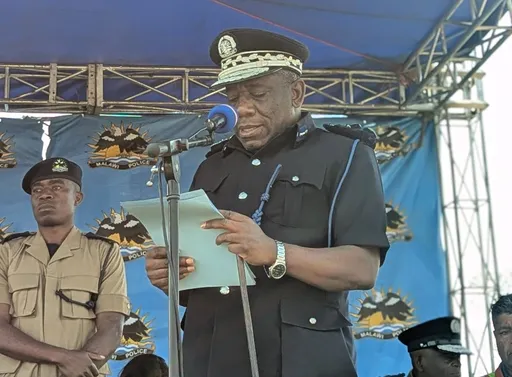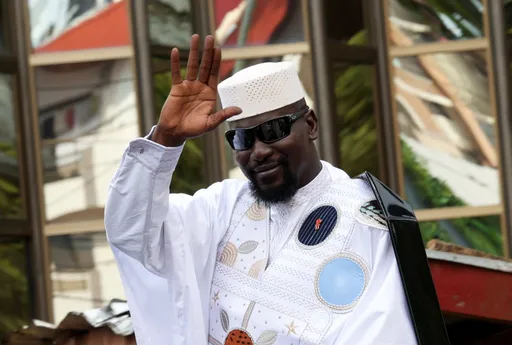
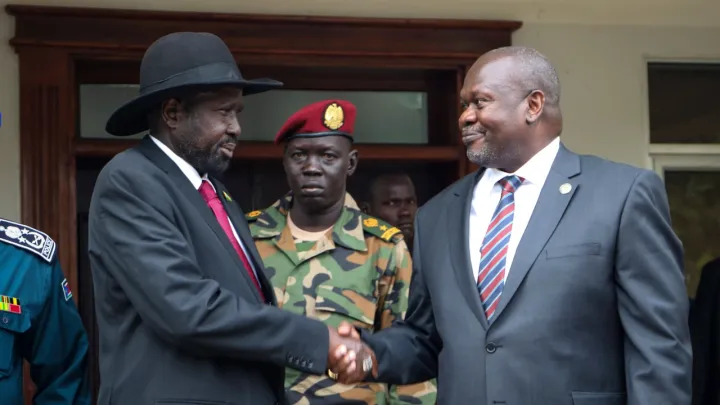
Sudan’s Transitional Sovereignty Council Chairperson Abdel Fattah Al Burhan said on Friday that the country’s problems can only be resolved through internal Sudanese dialogue, while rejecting “externally imposed agendas.”
Burhan made the remarks while addressing worshippers after Friday prayers at the Sharif Al Hindi complex in the Burri area of eastern Khartoum, according to a statement by the Sovereignty Council.
“Sudan’s problems must be resolved through Sudanese dialogue at home, leading to consensus, rebuilding Sudan and moving the country forward,” he said.
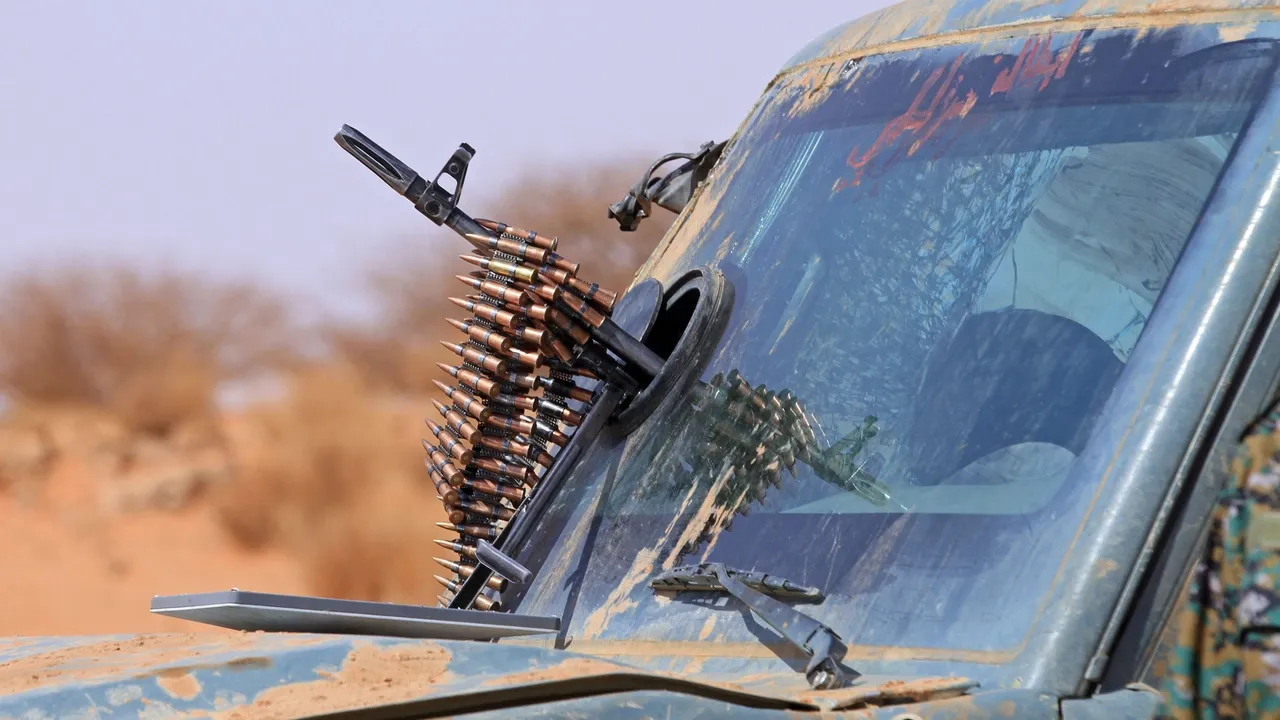
Addressing the security situation, Burhan said authorities will welcome anyone who “responds to the call of duty and the homeland and surrenders.” “Anyone carrying weapons is not welcome,” he added.
Pre-dialogue committee
Burhan also vowed not to allow “killers and criminals” to have “a foothold in Sudan,” without specifying to whom he was referring.
On August 30, an independent Sudanese committee launched an initiative to create conditions for dialogue among political, civilian, and community forces to help end the war and pave the way for national consensus.

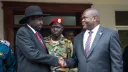
Burhan also addressed the worsening economic conditions, saying the country’s struggle had taken “many forms.”
“What we are experiencing these days – an economic crisis, rising prices and scarcity of resources – is only part of this battle,” he said. “We will emerge victorious from it just as we drove the rebellion out of Khartoum and other cities,” he added, using the government’s term for the paramilitary Rapid Support Forces (RSF).
Humanitarian crisis
Sudan has faced a deepening economic crisis in recent days, marked by rising prices for basic goods and a sharp decline in the value of its currency, with the US dollar trading above 8,000 Sudanese pounds on the parallel market.
The humanitarian crisis has also worsened amid the war between the army and the RSF, which began in April 2023 because of disagreements related to the integration of the paramilitary force into the military.
The war has killed tens of thousands of people and displaced around 13 million, according to UN and international estimates.