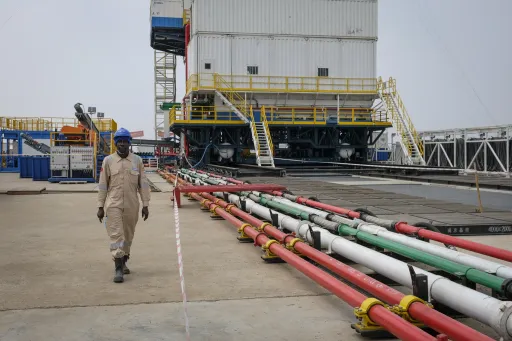
Nearly eight months after being officially declared the new political capital of Equatorial Guinea, Ciudad de la Paz has yet to reach its full potential.
In early January, a presidential decree officially made Ciudad de la Paz, formerly Oyala, the new capital of Equatorial Guinea, an oil-rich central African state of two million inhabitants.
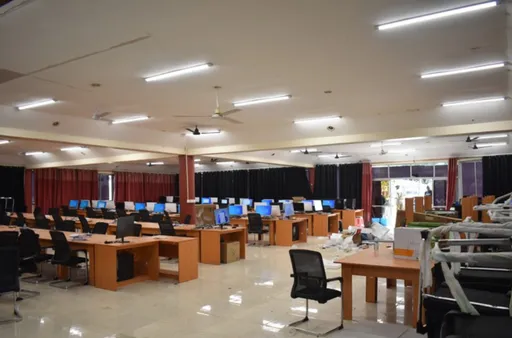
But the city’s wide avenues currently host two brand-new hotels, a large hospital, a university, official buildings.
To encourage civil servants to move to the city, the government is banking on the construction of social housing intended for them.
One-year deadline
Official institutions have also been given a one-year deadline to move from the old capital Malabo, a city of about 300,000 inhabitants on Bioko Island in the Gulf of Guinea.
Malabo had been the capital since independence from Spain in 1968, but the move takes the seat of power into the mainland heart of the country, not far from the borders with Cameroon and Gabon.
The Ciudad de la Paz project was launched in 2008 by President Teodoro Obiang Nguema Mbasogo for strategic reasons.
With infrastructure built by Chinese, South Korean and Italian companies, the relocation is being financed by the state, enriched by the discovery of major oil deposits in the early 1990s.

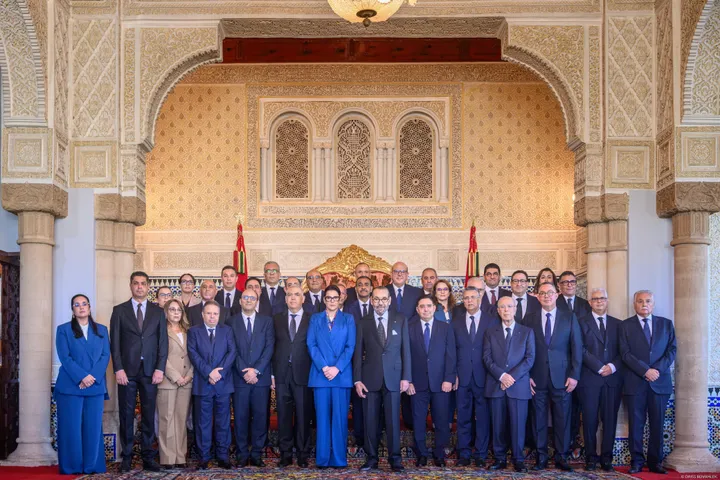





The president's son, Vice-President Teodoro Nguema Obiang Mangue, highlighted the symbolic significance of the move.
He said in a post on X in January that it "represents a firm determination to consolidate our sovereignty and identity" and would "drive the creation of thousands of jobs".
The project was "breaking with the structures inherited from the colonial period, after 57 years of independence", he said.
Similar relocations
It recalls similar relocations in Africa, such as the transfer of Côte d'Ivoire's capital from Abidjan to Yamoussoukro in 1983, or Nigeria's capital from Lagos to Abuja in 1991.
In practice, the former capitals often remain more attractive, more populous and more economically dynamic than the new cities.
The government justified the move by citing the location of Ciudad de la Paz, in the centre of the country's mainland territory, with space around it for the city to expand.
The plan is for the city to extend over 32,000 hectares (79,000 acres) and house a population of 65,000.
Authorities are trying to accelerate the moving-in process, signing an agreement last month with the Arab Bank for Economic Development in Africa (BADEA) to develop electrification and housing.