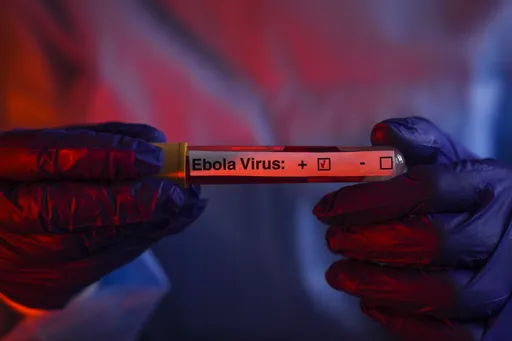
Africa’s top public health agency said Thursday it aims to have a vaccine and treatment for the Bundibugyo strain of Ebola ready by the end of the year, as health officials race to contain a fast-spreading outbreak in the Democratic Republic of Congo and neighboring Uganda.
“What we can tell you for sure — by the end of this year, 2026 — Africa CDC will make sure that we have a vaccine and medicine against Bundibugyo,” Africa Centres for Disease Control and Prevention Director-General Jean Kaseya told reporters.
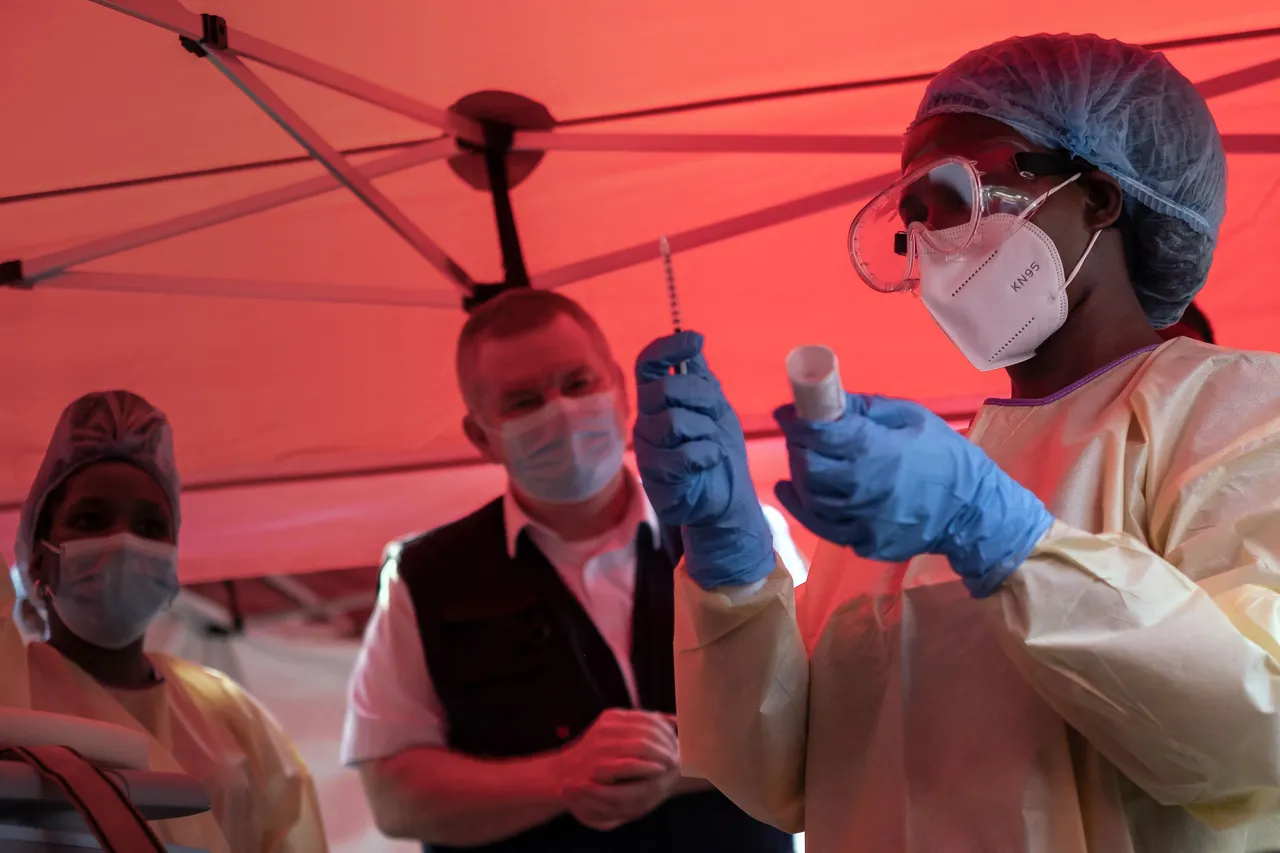
The World Health Organization (WHO) said experimental vaccines and treatments for the Bundibugyo strain should, for now, only be used in clinical trials while experts assess their safety and effectiveness.
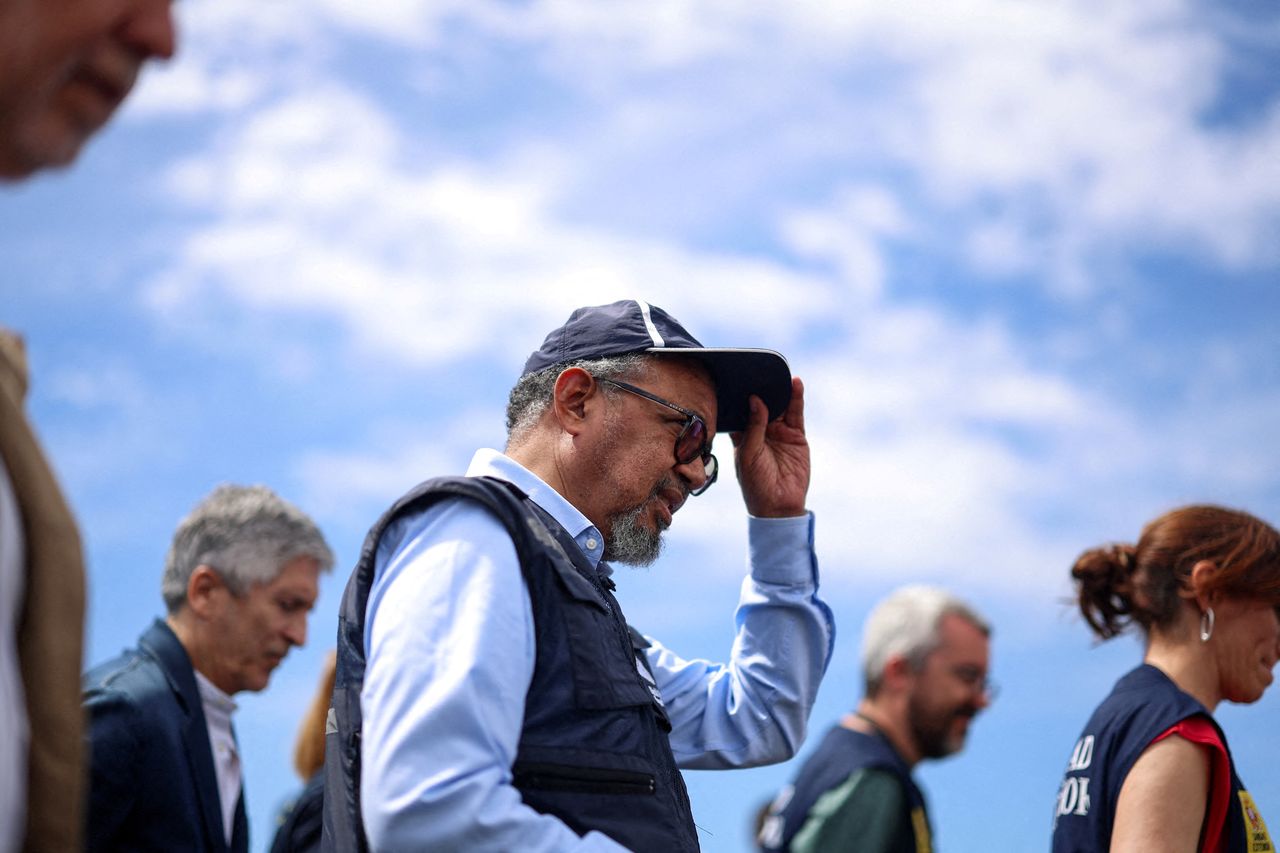
There are currently no approved vaccines or therapies specifically targeting the Bundibugyo virus disease, WHO said, though several experimental candidates have been identified for priority testing.
WHO said it is working with authorities in Congo and Uganda, alongside partners including Africa CDC, to design and implement trials under strict ethical standards.
The outbreak, centered in eastern Congo, has already caused about 900 cases and 220 suspected deaths, according to WHO figures. Uganda has reported seven confirmed cases.
Health teams are scrambling to trace thousands of people potentially exposed to the virus, but efforts have been hampered by conflict, attacks on health facilities, shortages of supplies and widespread mistrust among communities affected by previous outbreaks.
Outbreak outpacing response
“The outbreak is outpacing the response,” WHO Director-General Tedros Adhanom Ghebreyesus warned Wednesday.
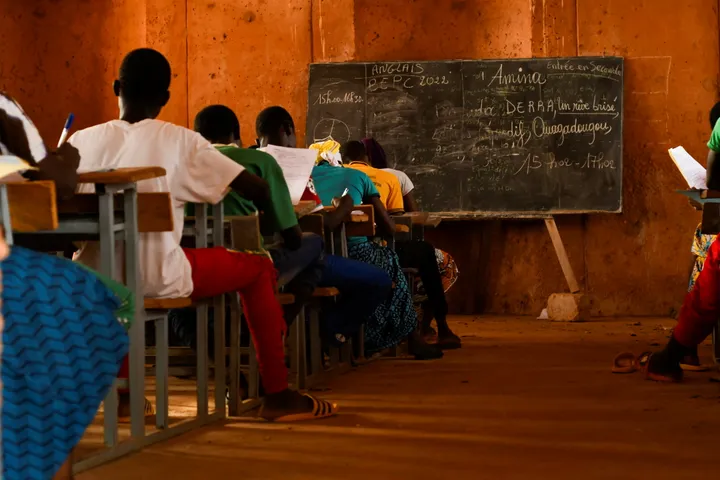
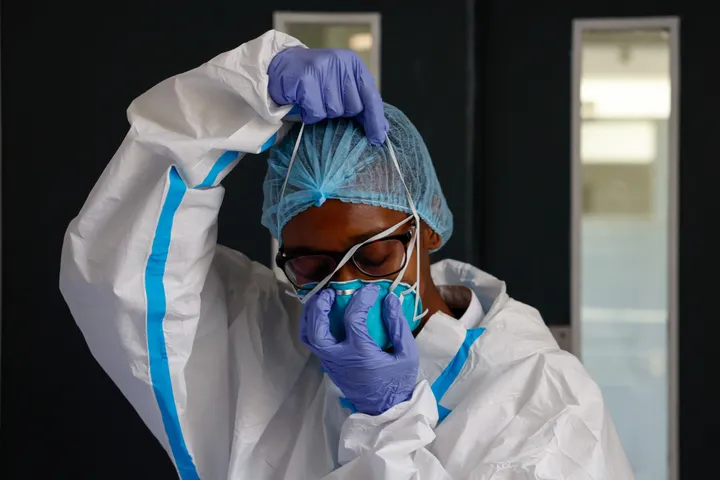
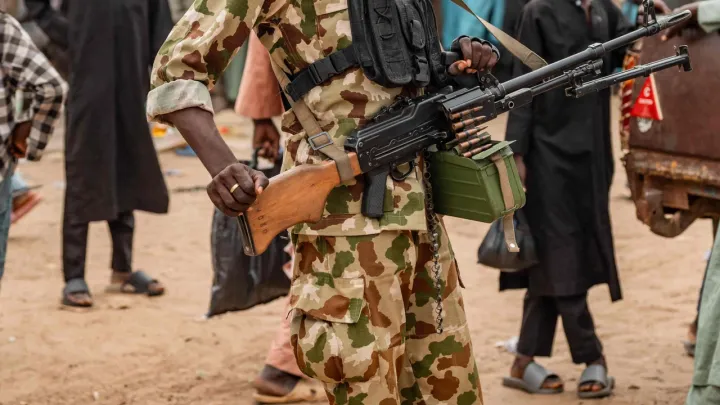
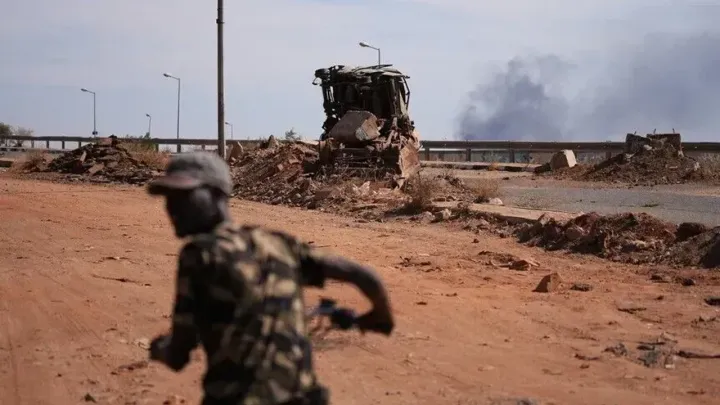


In eastern Ituri province — the epicenter of the outbreak — hospitals have been attacked and isolation tents burned by angry crowds reclaiming the bodies of relatives, apparently unaware of the risks posed by infectious corpses.
Three health experts said the violence has severely disrupted efforts to isolate cases and trace contacts in a region already struggling with armed conflict and weak health infrastructure.
Documents from a recent virtual coordination meeting showed that, as of last week, only 7% of the more than 1,200 identified contacts of suspected Ebola patients had been traced and monitored. WHO later raised the number of contacts to more than 2,000.
A WHO Africa team presentation described the situation in stark terms: “No vaccine exists. No therapy exists. The virus circulated undetected for six weeks. Cross-border spread is confirmed. Healthcare workers are dying.”
Professor Salim Abdool Karim, a leading South African epidemiologist advising Africa CDC, said the outbreak was spreading at “breakneck speed.”
“If you had to choose a bad place for this to happen, it would be Ituri,” he said.
Although Congolese authorities have extensive experience battling Ebola outbreaks — this is the country’s 17th since 1976 — shortages continue to hamper the response, including a lack of specialized tests capable of detecting the Bundibugyo strain.
Funding constraints have also complicated the international response, health officials said, citing broader cuts to global health programs and the U.S. withdrawal from WHO.
“There are very few people on the ground — and there are other problems as well, like getting fuel for the vehicles,” Karim said. “It goes on and on.”