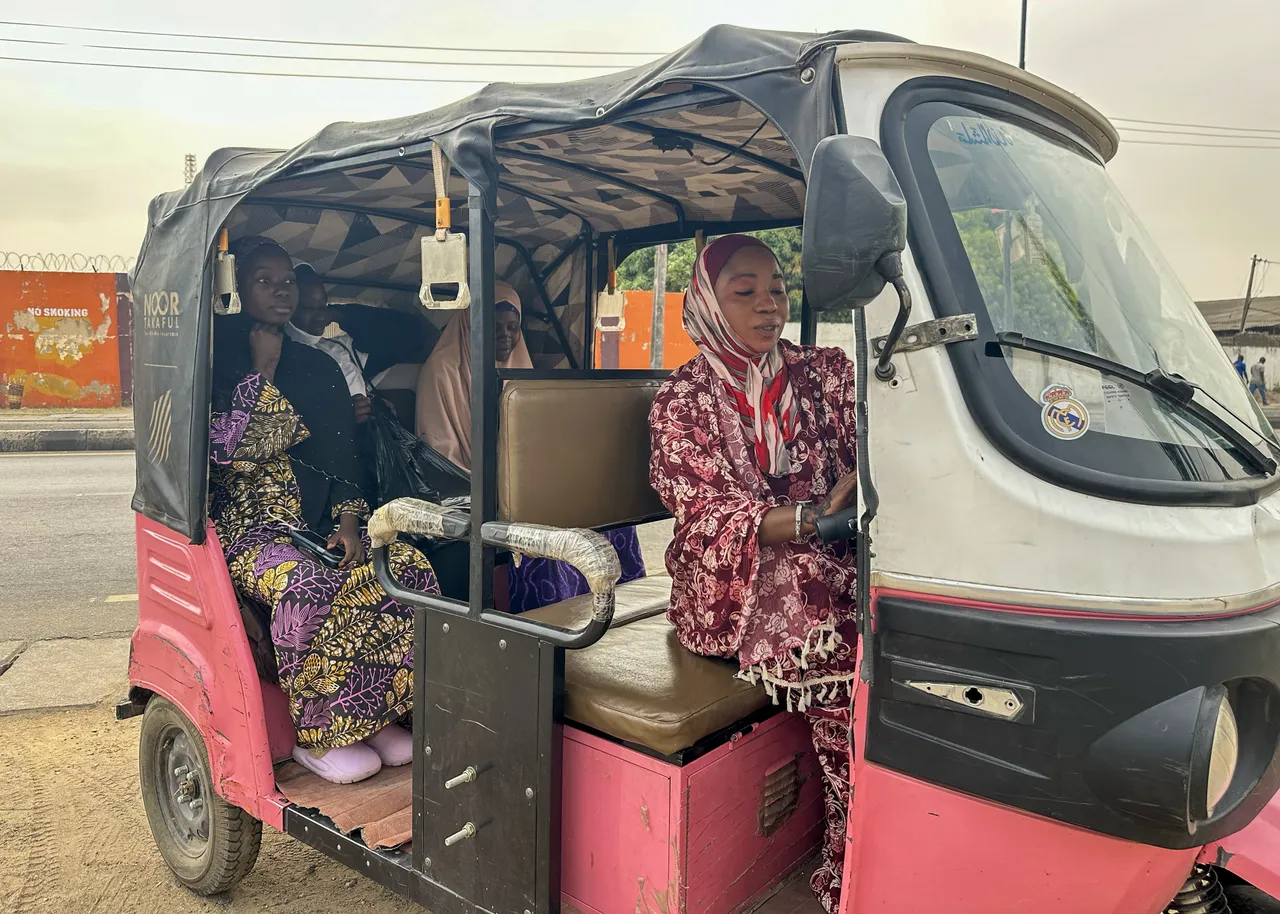
A unique women-only transport initiative in the northern Nigerian city of Kano aims to address women's discomfort in often crowded public vehicles.
The project, known as Mata Zalla, meaning women only in the Hausa language, operates a system in which female drivers use tuktuks to transport only female passengers. Men are barred from being drivers or passengers.
Kano is the second most-populous city in Nigeria after Lagos, and for years the transport system has been chaotic.
Women usually rely on the mixed-gender public transport system for daily movements such as going to markets and hospitals.
Pink in colour
This has been seen as a source of unease in the Muslim-majority city and across the region.
While generally tuktuks in Kano and other parts of Nigeria are painted in yellow and green, the Mata Zalla taxis are pink in colour for easier identification and solidarity among women.
Founded and led by Hajiya Hauwa Ahmad Tarauni, the project was launched in 2024 under a local NGO known as Mata Zalla Cooperative Society.
Apart from addressing safety issues and aligning with the region’s culture and religion, it also focuses on economic empowerment for women.
It prioritises widows and divorced women, offering them driver training and the opportunity to earn income in a sector traditionally dominated by men.

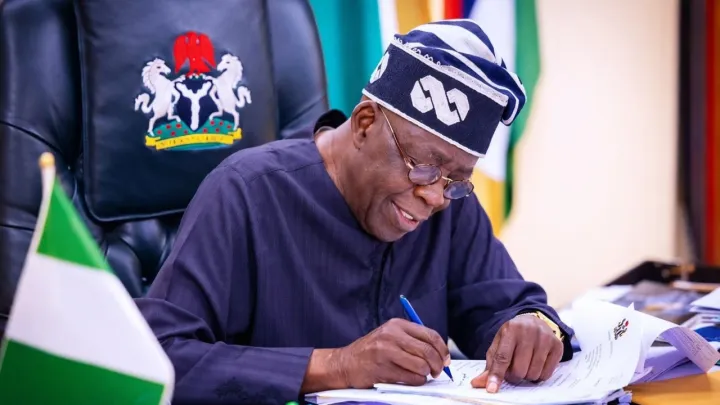
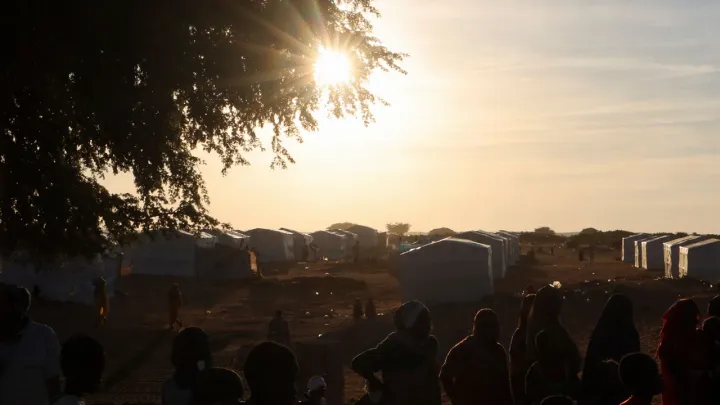





Hajiya Hauwa Tarauni told TRT Afrika that more than 200 women had been trained so far, with more women coming daily to enroll in the programme.
But due to ‘’limited resources,’’ only 100 of them have received tuktuks, which are powered by electric batteries, she said.
Three-year loan
The vehicles are given to them on loan, which they are expected to repay over a three-year period.
‘’We need more support because more women are coming for them to earn a living,’’ Tarauni added.
The project enables women to support themselves and their children.
Some people had expressed misgivings about the programme as female taxi drivers were uncommon in the city.
However, awareness campaigns conducted through door-to-door outreach and local radio broadcasts contributed to increasing acceptance.
Organisers say massive investment support from private individuals and the authorities could help expand the project, which they believe could benefit women across Nigeria who face similar challenges.